The heat wave that killed 29 New Jerseyans in the first week of July has broken, but for residents dealing with flood damage, the public health risks are not over. They are changing.
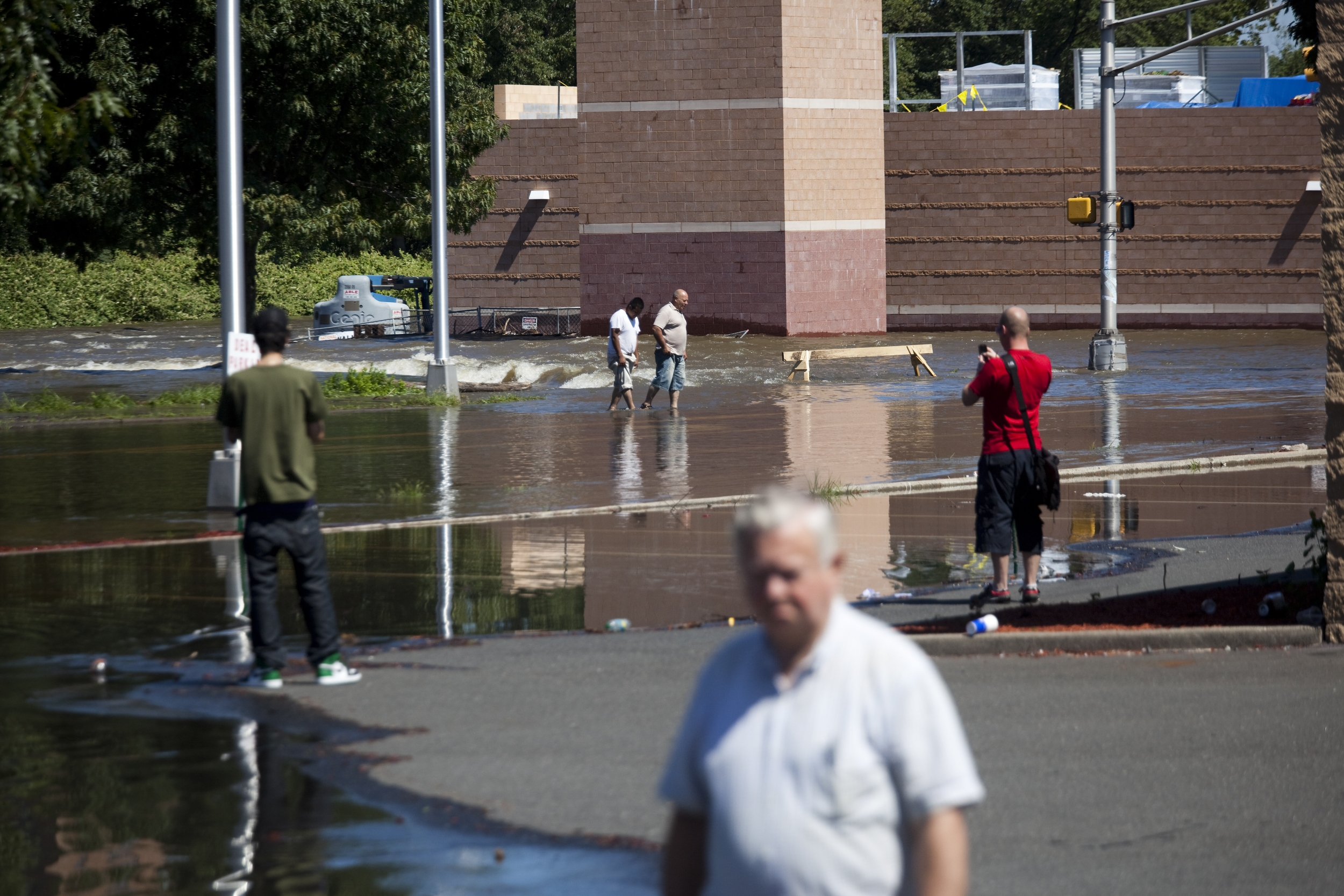
Flash flooding struck New Jersey and the broader mid-Atlantic on July 6, 2026, following the severe storms that ended the heat dome. Slow-moving thunderstorms produced rainfall rates of approximately 2 inches per hour across the state, with some communities recording close to 6 inches of rain in a single day — an amount that in some places matched or exceeded a full month’s typical rainfall for July. Parts of BJ’s Wholesale Club in Ocean Township experienced a partial roof collapse from the weight of accumulated floodwater.
Now, as water levels fall and cleanup begins, a second wave of health hazards is emerging in flooded homes, basements, and streets across the region.
Why This Matters
Standard weather coverage focuses on the event itself — the rainfall totals, the flood stages, the road closures. What often goes uncovered is what happens to a community’s health in the days and weeks after visible flooding ends.
Floodwater is not ordinary water. Urban and suburban floodwater that enters basements, first floors, and streets carries raw sewage from overwhelmed storm drains and sewer lines, chemical runoff from flooded fuel tanks and underground storage, heavy metals from eroded roadways, and pathogenic bacteria including E. coli, Salmonella, and Leptospira. The New Jersey Office of Emergency Management is explicit: “Wash your hands with soap and disinfected water if you touch floodwaters. Floodwaters may carry raw sewage, chemical waste and other disease-spreading substances.”
Beyond the immediate contamination risk, mold — the invisible health consequence of flooding — begins colonizing wet building materials within 24 to 48 hours. A home that looked dry-ish by Monday morning may have active mold growth inside its walls and under its flooring by Wednesday. The respiratory consequences of mold exposure can persist for months, long after the water is gone and the carpets are pulled.
What We Know So Far
The July 6, 2026 flash flooding followed a multi-day heat wave that set or tied temperature records across New Jersey. According to the New Jersey Department of Health, 29 heat-related deaths are suspected from the July 4 weekend event, with victims ranging in age from their mid-30s to their 80s. Most fatalities were reported in central and northern New Jersey — the same areas that received the heaviest flooding days later.
The flooding itself was severe in scope. About 60 million people from Ohio to Massachusetts and Virginia remained under some level of flood threat on July 7. New Jersey saw the most significant impacts to people and property in the Northeast. The National Weather Service described the storm system as comparable in structure to the September 2021 remnants of Hurricane Ida, which caused catastrophic basement flooding and multiple deaths across New Jersey and New York City.
The immediate public health consequence of the flooding has two phases:
Phase 1 (Days 1–3): Direct floodwater exposure risks. These include infection from contact with contaminated water, drowning risk from deceptively deep or fast-moving water, carbon monoxide poisoning from improperly used generators, and electrical hazards from downed power lines in standing water.
Phase 2 (Days 3–21+): Post-flood environmental health risks. These include mold growth in water-damaged buildings, waterborne pathogen exposure during cleanup, chemical contamination from disturbed storage tanks, rodent activity driven by flooding, and mental health consequences of displacement and property loss.
Most public health messaging during flooding addresses Phase 1. This article focuses on Phase 2 — the risks that emerge after the water recedes and are more likely to affect residents who stayed in their homes throughout the event.
Floodwater Contamination: What Is in the Water
Urban and suburban floodwater is a mix of stormwater, sewer overflow, and whatever chemicals and biological material it picks up along the way. After a storm of this magnitude across a densely populated area, the mix includes:
Raw sewage. When rainfall rates exceed the capacity of municipal sewer systems — as occurred across parts of New Jersey on July 6 — untreated sewage backs up into streets, basements, and storm drains. This sewage carries bacteria, including E. coli and Salmonella, as well as viruses and parasites. Any basement that flooded from a backed-up drain or sewer line — as opposed to rainfall entering through windows or doors — may have been exposed to sewage-contaminated water.
Leptospirosis. The bacterium Leptospira is shed in the urine of rodents and can survive in floodwater for weeks. Infection through skin cuts, the eyes, nose, or mouth during contact with contaminated water can cause Leptospirosis — a flu-like illness that in severe cases can cause kidney and liver failure. The CDC notes that leptospirosis risk increases significantly after flooding, particularly in areas with high rodent populations.
Chemical contamination. Residential and commercial properties throughout New Jersey store fuel oil for heating systems — typically in basement tanks. Floodwater can rupture or dislodge these tanks, releasing petroleum products directly into floodwater and groundwater. Gasoline, diesel, and heating oil can contaminate soil and well water for months after a flood event. NJOEM advises anchoring fuel tanks before flood events; for residents who did not do so, checking basement tanks for damage is an immediate priority.
Anyone who waded through floodwater should wash exposed skin thoroughly with soap and water. Anyone with open cuts, wounds, or skin breaks who had contact with floodwater should seek medical evaluation. As MedicalDaily reported during the flooding, “Floodwater is contaminated with sewage bacteria. Anyone who waded through floodwater and has a wound should seek medical evaluation.”
The Mold Timeline: Why the Clock Is Already Running
Mold is the most persistent and least-discussed health consequence of residential flooding. It does not require standing water — it requires moisture and organic material, which are present in virtually every building material used in residential construction.
The timeline for mold colonization in flood-damaged buildings:
- Within 24–48 hours: Mold spores — present in every indoor environment — begin to germinate and colonize wet drywall, wood framing, carpet padding, insulation, and ceiling tiles.
- Within 3–7 days: Visible mold growth may appear on walls and surfaces. Concealed mold growth inside wall cavities and under flooring may not be visible for weeks.
- After 1–2 weeks: Significant mycotoxin production can occur if high-moisture conditions persist. Residents with pre-existing respiratory conditions may begin experiencing symptoms.
- After several weeks to months: Mold colonies can become deeply embedded in structural materials. Remediation becomes substantially more expensive and complex.
The CDC recommends that flood-damaged materials that cannot be fully dried within 24 to 48 hours — including drywall, carpeting, carpet padding, upholstered furniture, and ceiling tiles — should be removed and discarded, not dried in place. Drying equipment alone is insufficient for materials that have absorbed water into their interior structure.
The health consequences of mold exposure include:
- Respiratory symptoms: Coughing, wheezing, nasal and sinus congestion, throat irritation, and shortness of breath — particularly in people with asthma or allergies.
- Asthma exacerbations: Mold is a well-established asthma trigger. The CDC and FEMA both note that children and adults with asthma face heightened risk in mold-contaminated indoor environments.
- Allergic reactions: Including eye irritation, skin rash, and persistent upper respiratory symptoms that resemble seasonal allergies.
- Invasive fungal infection (rare): Immunocompromised individuals face an elevated risk of invasive infection from certain mold species, including Aspergillus, which can colonize flood-damaged buildings.
Where the Risk Is Highest in New Jersey
Central and northern New Jersey recorded the heaviest flooding and the highest concentration of heat-related deaths. The communities at highest flood-health risk share several characteristics:
High-density housing: Brick and wood-frame attached homes, apartment buildings, and row houses common in Passaic, Essex, Union, Bergen, and Middlesex counties have limited ventilation and high potential for basement flooding.
Older housing stock: Pre-1970s homes common across Newark, Paterson, Elizabeth, and Trenton may contain building materials — including asbestos-containing floor tiles and lead paint — that pose additional exposure risks when disturbed during flood cleanup.
Lower-income renters: Renters who cannot vacate damaged units or who lack the resources to hire professional remediation services face higher prolonged mold exposure. Landlords in flood-affected areas are legally required under New Jersey housing codes to remediate mold conditions that affect habitability.
Residents without flood insurance: Standard homeowners and renters insurance does not cover flood damage. Many residents in affected New Jersey communities will be completing cleanup without professional assistance, increasing the likelihood of incomplete drying and mold remediation.
What Doctors and Experts Say
The New Jersey Department of Health advises that any resident with flood-damaged property who notices persistent respiratory symptoms, unexplained fatigue, or skin irritation after cleanup should contact a healthcare provider and mention potential mold exposure.
For children and individuals with asthma, rheumatologists and pulmonologists recommend temporarily relocating from visibly mold-damaged buildings until professional remediation is complete — not because mold is immediately dangerous to healthy individuals, but because the risk to those with existing respiratory vulnerability is meaningful.
The CDC emphasizes that there is no safe level of visible mold growth in a living space and that the appropriate response is remediation, not air fresheners or painting over affected areas.
New Jersey Governor Mikie Sherrill’s office advised residents on July 5 to stay informed, stay cool, and limit time outdoors — guidance that now extends to limiting time in flood-damaged interior spaces until mold assessment is completed.
Who Faces the Greatest Risk?
- Children and infants who spend more time on floors and at ground level, where mold exposure is highest
- Adults with asthma, COPD, or other respiratory conditions
- People with allergies to common indoor molds, including Aspergillus, Cladosporium, and Penicillium
- Immunocompromised individuals, including those undergoing cancer treatment, organ transplant recipients, and people on long-term immunosuppressive medications
- Elderly adults, particularly those living alone in flood-damaged units, who may not be able to manage cleanup independently
- Renters who depend on landlords for remediation and may have limited recourse if repairs are delayed
Symptoms and Warning Signs to Watch For
Signs of waterborne infection (develop within 1–7 days of floodwater exposure):
- Fever, chills, or body aches
- Nausea, vomiting, or diarrhea — particularly bloody diarrhea
- Skin redness, swelling, or infection at the site of a wound that contacted floodwater
- Yellowing of skin or eyes (in later stages of leptospirosis — seek care immediately)
Signs of mold-related respiratory illness(may develop days to weeks after exposure):
- Persistent cough, particularly at night or in the morning
- Wheezing or shortness of breath
- Nasal congestion and postnasal drip that does not resolve
- Eye irritation, redness, or tearing
- Skin rashes or itching without other explanation
- Worsening of pre-existing asthma or allergy symptoms
Any resident with an open wound who had floodwater contact should not wait for symptoms to develop before seeking medical care. Wound infections from sewage-contaminated water can progress rapidly.
What You Can Do Now
- Assume all floodwater is contaminated. Do not touch flood-damaged materials without waterproof gloves, rubber boots, and eye protection. Do not touch your face during cleanup.
- Wash all exposed skin with soap and clean water after any contact with floodwater or flood-damaged materials. Wash before eating, drinking, or touching your face.
- Remove and discard water-damaged materials within 24–48 hours. This includes drywall, insulation, carpeting, carpet padding, and upholstered furniture that were submerged. Do not attempt to dry these materials in place.
- Ventilate and dehumidify. Open windows and run dehumidifiers continuously in flood-affected areas. Target indoor humidity below 60%, ideally below 50%, to slow mold growth.
- Check your basement fuel tank. If you have a heating oil or propane tank and your basement flooded, inspect the tank and supply lines for damage before restarting your heating system.
- Do not run gasoline generators indoors. Post-storm generator use is a leading cause of carbon monoxide poisoning deaths after flooding. Generators must be operated outdoors and away from windows and doors.
- Contact your local health department if you develop symptoms after floodwater exposure. In New Jersey, the NJDOH coordinates post-disaster health guidance by county.
- If you suspect a leptospirosis exposure — including floodwater contact through an open wound or mucous membrane — tell your doctor specifically. Standard testing does not automatically include leptospirosis.
Cost and Access: What Patients Should Know
FEMA’s Individual Assistance program provides financial support for disaster-related expenses — including temporary housing, home repair, and medical costs — for residents in counties that receive a presidential disaster declaration. If Passaic, Essex, Union, Bergen, Middlesex, or other New Jersey counties receive a declaration, residents should register at DisasterAssistance.gov immediately.
The New Jersey Department of Community Affairs and local emergency management agencies maintain lists of approved flood remediation contractors. Residents should obtain multiple quotes and verify licensing before hiring cleanup services.
For medical care related to flood exposure, federally qualified health centers (FQHCs) throughout New Jersey offer sliding-scale fees for uninsured and underinsured patients. Call 211 or visit nj211.org for referrals.
What Happens Next
New Jersey county health departments are conducting post-flood assessments this week. Residents with flood-damaged homes should register damage with their local emergency management office even if they do not plan to seek FEMA assistance, as registration data helps the state qualify for federal aid declarations.
The mold risk window is active now and will remain elevated for several weeks as warm, humid summer weather creates conditions favorable for continued growth. Residents who have not yet begun drying and remediation efforts in water-damaged spaces should treat this as an urgent priority — not something to address after vacation or next weekend.
MedicalDaily will update this article if a federal disaster declaration is issued for New Jersey counties affected by this flooding event.
The Bottom Line
New Jersey’s flood health risks are not over — they are in their most dangerous active phase. Floodwater contaminated with raw sewage, E. coli, fuel, and Leptospira poses real infection risk to anyone who comes into contact with it. Mold, which starts growing within 24 to 48 hours in water-damaged buildings, can cause respiratory illness and asthma exacerbations that persist long after visible cleanup is complete.
Wear protective gear during cleanup. Remove saturated building materials promptly. Seek medical care for any wound that contacted floodwater. And if you or a family member develops respiratory symptoms in the days and weeks ahead, mention the flooding to your healthcare provider — they may not make the connection otherwise.