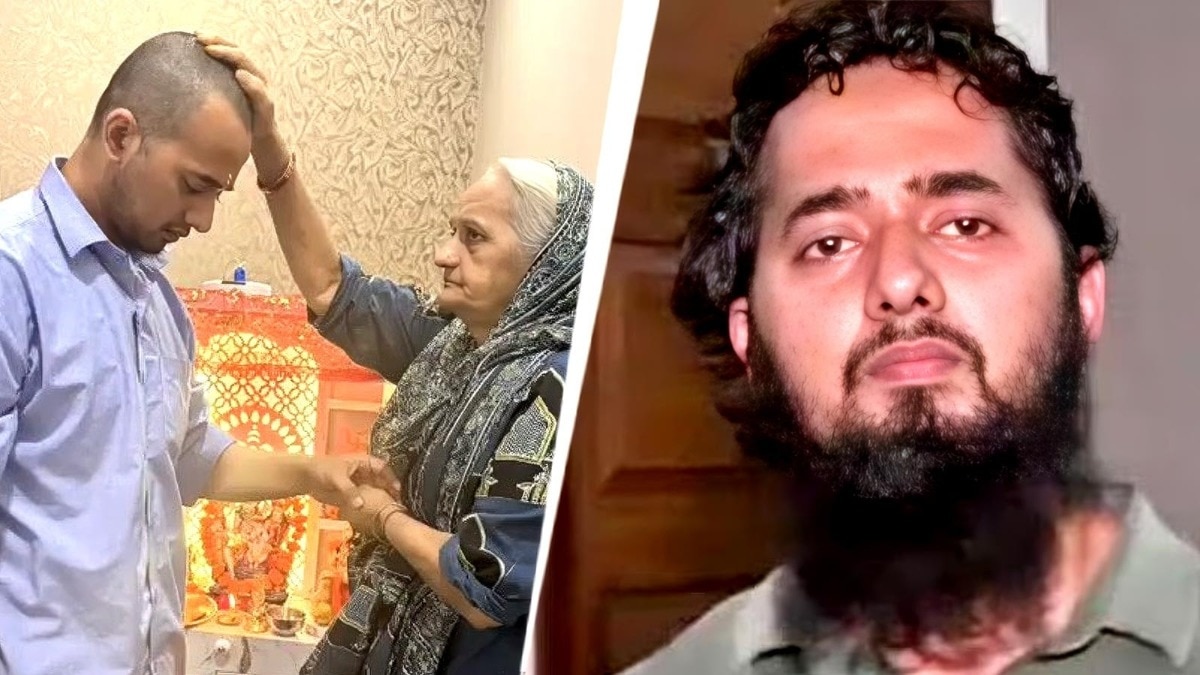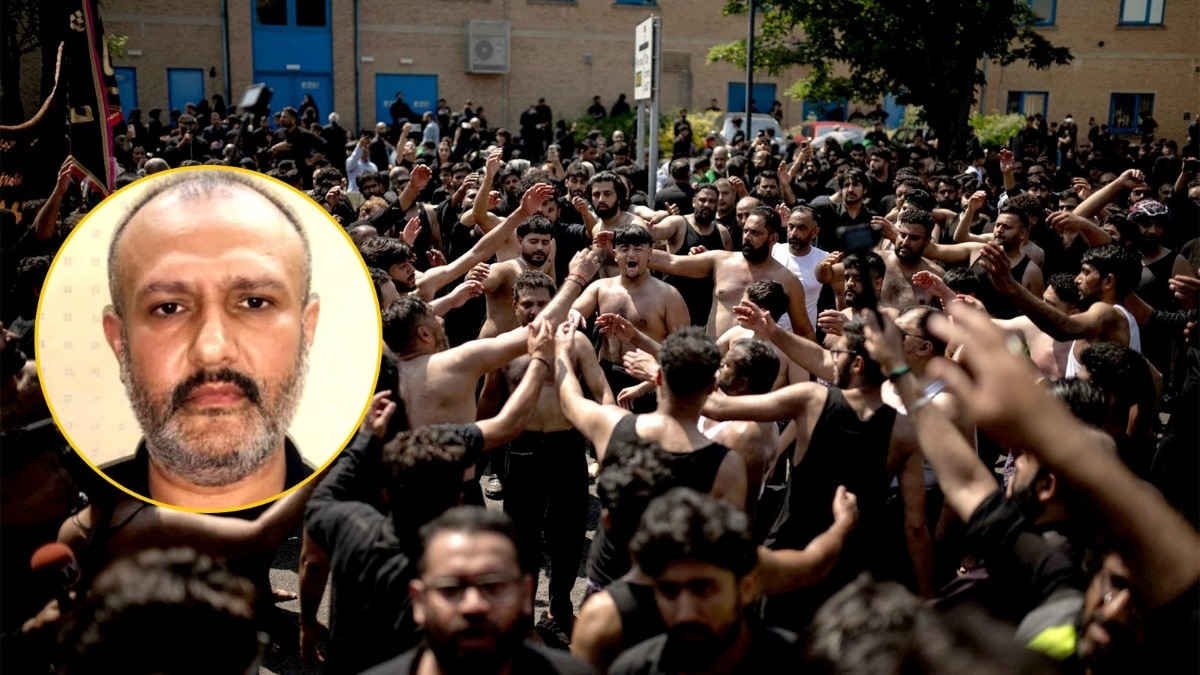
Volunteers lining the streets to distribute water, food and medicine to exhausted mourners during Ashura in Muharram are seen as embodying charity and compassion. But on the streets of South Mumbai, police allege there was an attempt to turn that tradition into something deadly. A 39-year-old businessman from Pune allegedly tried to hand out rat poison disguised as painkillers to mourners attending one of Mumbai’s largest Muharram processions.
According to Mumbai Police, the accused, Faiyaz Premjee, allegedly prepared over 14,000 capsules laced with zinc phosphide, a highly toxic rodenticide, intending to distribute them among members of the Shia community during Ashura. Investigators say the capsules were designed to resemble common painkillers that are routinely distributed to mourners walking long distances in the annual procession.
Police also said the accused had planned to prepare nearly 30,000 capsules, reported India Today’s Dipesh D Tripathi.
According to the ongoing investigation, Premjee had also travelled to Iran and Iraq multiple times between 2019 and 2025. Police said that within the past year alone, he had travelled to Iran and Iraq 19 times. Investigators are now examining the purpose of those visits, whether the case has links to a larger network, and Premjee’s motive.
Premjee’s public life over the past few years offers a glimpse into his ideological evolution, and his comments on Islam and the Shia community have now triggered widespread debate.
Long before Premjee’s arrest, he had appeared in several interviews, podcasts and YouTube discussions where he spoke at length about his journey from being a practising Shia Muslim to quitting Islam and becoming an outspoken critic of the religion.
Premjee belongs to the Khoja Shia community, a small but historically influential Muslim trading community with roots in Gujarat and Kutch. In a 2022 interview published by Manushi with author and activist Madhu Kishwar, he was introduced as an “Indian Ex-Shia Muslim” from the Khoja Shia community whose ancestors belonged to the Lohana community of Gujarat.
According to The Indian Express, Mumbai Police said that Premjee’s father owns a paint company in Pune.
FAIYAZ PREMJEE’S SCEPTICISM TOWARDS ISLAM DID NOT EMERGE SUDDENLY
According to Premjee, his scepticism towards religion did not emerge suddenly. In a YouTube interview with author Neeraj Atri, he said the habit of questioning accepted beliefs was inherited from his maternal family. Premjee said the tendency to question was passed on “from my maternal grandfather to my maternal uncle, and from my maternal uncle to us.”
Premjee explained that growing up in such an environment encouraged him to question religious beliefs instead of accepting them without scrutiny.
This tendency to question, Premjee says, led him to abandon Islam. During the interview with author and activist Neeraj Atri, Premjee said, “Once you study Islam properly, anyone who thinks independently tries to leave it.”
In the same discussion, he also argues that “as soon as you study Islam a little and understand it, anyone who thinks independently tries to get out of it,” presenting his departure from the faith as the result of his own study rather than a personal grievance.
Premjee has also said that before identifying himself as an ex-Muslim, he first tried to reform Islam from within. Recalling that phase in another interview cited by The Indian Express, he said, “I tried to explain to people that the conservative version of Islam we were following was wrong. We believed we should become reformists. But our community was so conservative that they simply would not let go of that mindset.”
According to Premjee’s account, repeated disagreements with members of his community eventually pushed him towards leaving Islam altogether.
Premjee’s public appearances frequently revolved around sectarian differences within Islam.
In the interview with Neeraj Atri, Premjee said the historic divide between Shias and Sunnis began with the dispute over who should have succeeded Prophet Muhammad after his death. However, he argued that despite their theological differences, both sects ultimately shared the same religious foundations. He also criticised what he described as religious orthodoxy across Islamic sects and claimed that the behaviour of religious communities often changes depending on whether they hold political power.
Over the years, Premjee built an online presence through long-form discussions on Islam, history and religious reform, attracting audiences in ex-Muslim circles as well as among sections of Hindu nationalist social media.
Premjee’s speeches also drew criticism from many Muslims, who accused him of making sweeping generalisations about Islam and portraying the religion through an overtly ideological lens.
Whether those publicly expressed beliefs had any connection with the alleged poisoning conspiracy is now part of the investigation. So far, Mumbai Police have not publicly established any direct link between Premjee’s ideological positions and the alleged plot. The investigation into his motive remains ongoing.
– Ends
Published By:
Avinash Kateel
Published On:
Jun 30, 2026 07:00 IST