Business
Employees have signed petitions against being tracked by AI and were trying to figure out who had been let go on Wednesday, as the Silicon Valley giant tries to transform into an AI-first company.
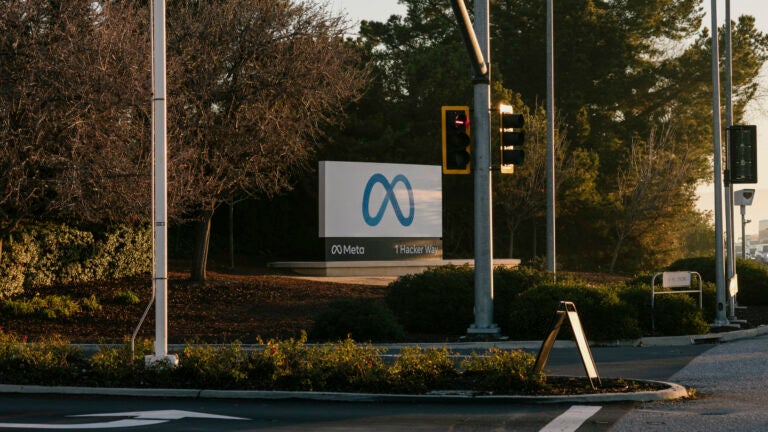
Meta’s headquarters in Menlo Park, Calif. The company, which renamed itself for the metaverse, is transforming itself for the era of artificial intelligence. Ian C. Bates/The New York Times
May 20, 2026 | 5:04 PM
2 minutes to read
SAN FRANCISCO — For the last month, employees at Meta have been on edge.
In April, they were told that 8,000 of them, or 10% of the workforce, would be laid off on May 20 as Meta remade itself for the artificial intelligence era. On Monday, they learned that another 7,000 employees would be reassigned to new AI initiatives.
On Wednesday, the ax fell. The layoffs began in Singapore, where at 4 a.m. local time emails went out to workers who were being laid off. Employees in Britain, the United States and elsewhere were notified early Wednesday morning in their respective time zones.
The turmoil at Meta — which owns Facebook, Instagram and WhatsApp — offers an up-close look at layoffs in the AI age. Last week, the networking giant Cisco said it would eliminate 4,000 jobs as it shifted more resources to AI. Microsoft, Block and Coinbase also recently announced layoffs or buyouts because of the technology.
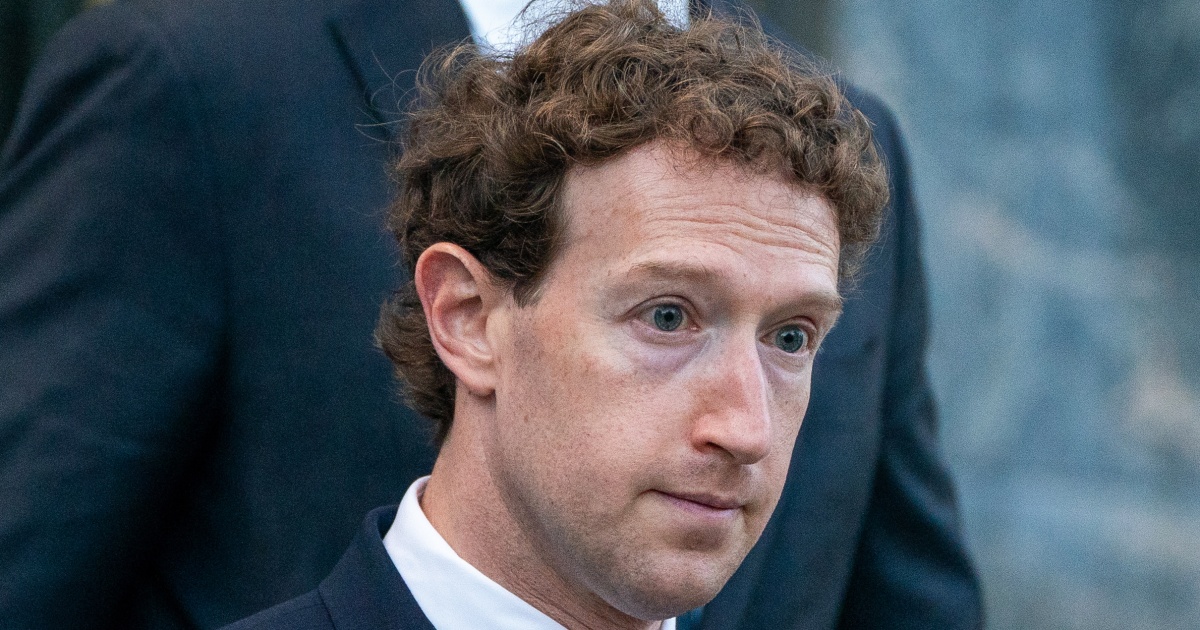
Meta CEO Mark Zuckerberg has been vocal about staking his company on AI. He has said he wants to create “superintelligence,” an advanced AI that can act as the ultimate personal assistant. Last month, Meta said it would spend between $125 billion and $145 billion — more than double what it spent in 2025 — this year, much of it on AI.
But the company’s transformation from a social networking firm to an AI-first entity has been far from smooth. Employees have said the embrace of AI has led to anger and anxiety across Meta’s 78,000 person workforce, according to 13 current and former employees. The frustration was heightened by Meta’s strong financial performance, with the company reporting record revenue last month, leading to questions about why job cuts were needed.
In a note to employees Wednesday morning, Zuckerberg said he was grateful to those who were laid off for their work and optimistic about the company’s AI efforts. More companywide layoffs were not expected this year, he said. But as Zuckerberg pushes forward with AI, employees are wrestling with how, or whether, they can do anything to change course.
Workers who were laid off were given 16 weeks of severance pay, plus an additional two weeks for every year they worked at the company.
This article originally appeared in The New York Times.