


LIV Golf sought Chapter 11 bankruptcy protection in the United States on Tuesday, marking a dramatic turning point for the breakaway league following Saudi Arabia’s decision to withdraw its vast financial backing.
The petition was lodged in the federal district court of New Jersey, where the organisation had established a subsidiary earlier this summer. LIV described the filing as an effort to “preserve the company’s business.”
The move follows April’s announcement by the Public Investment Fund that it would cease funding the venture. Crucially, the bankruptcy process effectively releases every player from their existing contractual obligations.
Reports state that agreements struck under the original incarnation of LIV Golf will be terminated as a consequence of the court filing. Sums owed to players and other creditors will be resolved through the judicial proceedings.
LIV Golf filed for bankruptcy protection in the United States on Tuesday
|
GETTY
Players face no requirement to commit to any successor league, irrespective of multi-year deals previously agreed.
The Saudi sovereign wealth fund had poured more than £3.7bn into the venture since its contentious debut in 2021, enticing major champions such as Jon Rahm and Bryson DeChambeau with enormous contracts and lavish prize purses.
Yet the league’s trajectory had grown increasingly uncertain, with the 2026 campaign curtailed ahead of schedule.
PIF declared that the “substantial investment required by LIV Golf over a longer term” was “no longer consistent” with its broader strategy. The fund nonetheless stressed its continued commitment to significant sporting investments across other areas.
Despite stepping away as principal backer, PIF is furnishing a £36.6m bankruptcy loan — known as “debtor in possession” financing — to sustain the restructuring process.
The Chapter 11 mechanism affords an American company a reprieve from its obligations to creditors, providing breathing space to reorganise outstanding debts or divest portions of the enterprise.
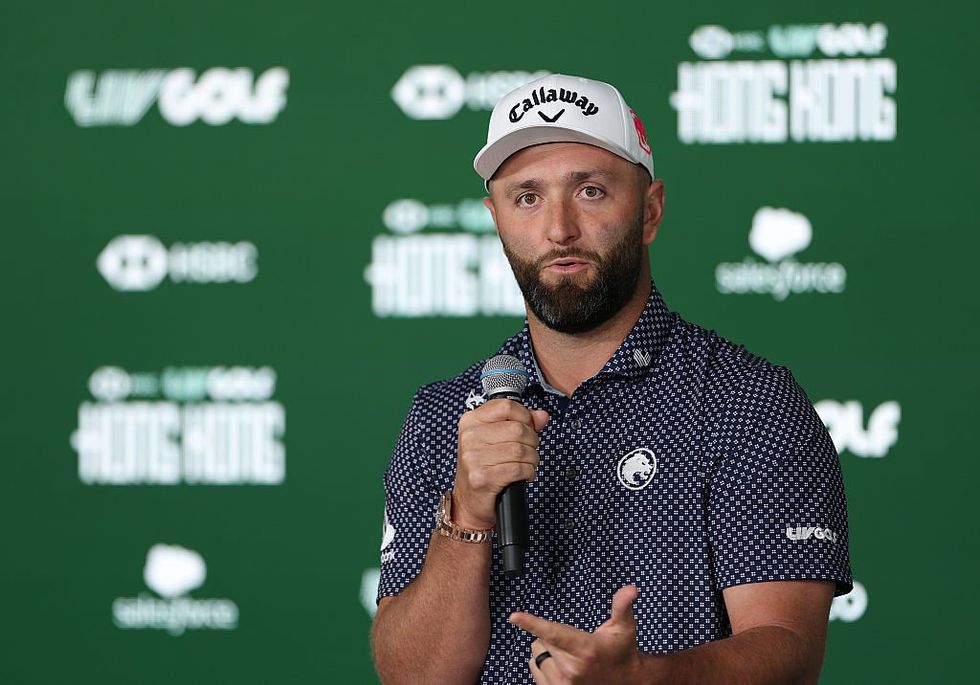 Jon Rahm is the highest-earner at LIV Golf | GETTY
International investment firm BC Partners has been confirmed as the proposed new backer, with LIV unveiling the arrangement in a letter to supporters detailing its “next phase.”
The organisation intends to launch a restructured, majority player-owned league in early 2023. The Chapter 11 process is understood to clear the path for discussions with golfers about their involvement in this reimagined venture.
In its fan communication, LIV stated: “LIV Golf has entered a court-supervised restructuring process that provides us with the time and framework to address previous financial obligations and complete a transaction that will make the league’s next phase a reality.”
Chief executive Scott O’Neil characterised the proceedings as enabling “a landmark transaction” and the beginning of a fresh chapter “built around the fans, an innovative, player-first ownership model, and a part of the global golf ecosystem.”

LIV Golf intend to commence its new majority player-owned league early next year
|
GETTYThe letter emphasised that the successor league would be “built around a sustainable business model.”
Rahm, speaking ahead of this week’s Irish Open on Tuesday, offered little clarity regarding his plans. When asked whether he had a sense of what lay ahead, he told BBC Sport: “Yes and no. It hasn’t really changed from my last interview in Indianapolis.”
The Spaniard acknowledged the fluid nature of the situation. “There’s just a lot of things in place, right? There’s a lot of things that could happen and it’s one of those things where time’s gonna tell,” he said.
He also noted: “I still have a contract with LIV 1.0 that I’m more than willing to fulfil, so like I said, time will tell.”
DeChambeau had struck a more upbeat tone at the league’s final event in Indianapolis last month, expressing his belief that there was “a lot of potential moving forward” and “something fun coming.”
It remains uncertain, however, precisely when players might be free to open negotiations with rival tours.
Under the proposed format, fields would grow to 75 competitors, with a cut introduced for the first time — a notable departure from LIV’s original no-cut structure.
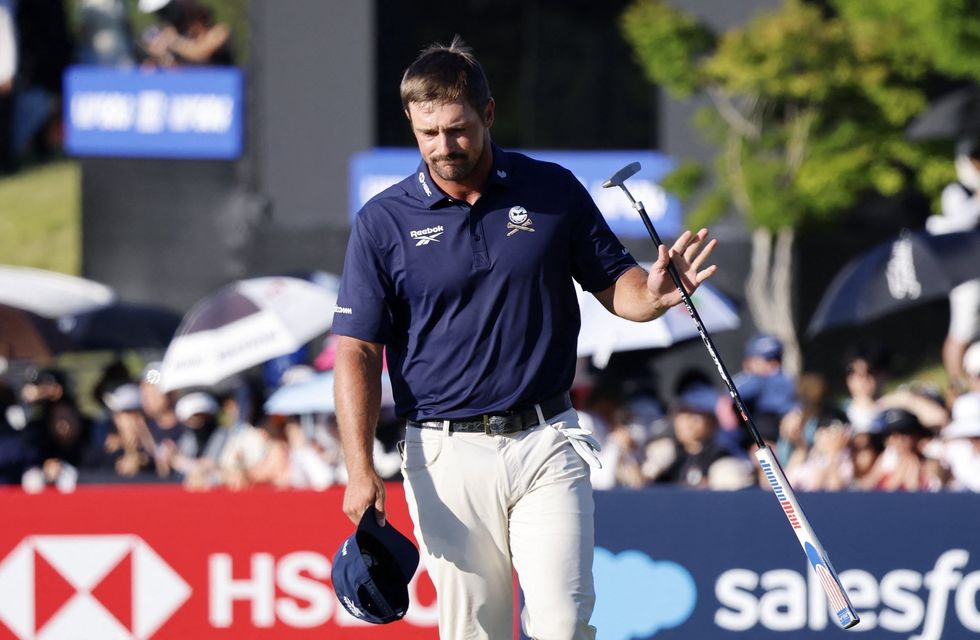
Bryson DeChambeau has long been optimistic about LIV Golf’s future
|
REUTERSQualifying events are also planned, opening a pathway for golfers outside the league’s existing roster.
Teams would be reshaped to “embrace national identities,” with aspirations for these franchises to develop into “enduring global sports businesses.”
Players stand to receive equity stakes in the new venture, whilst individual commercial rights would revert to the golfers themselves, affording them broader earning opportunities.
Prize funds, meanwhile, are expected to sit below those offered on the PGA Tour — which has itself increased purses partly in response to LIV’s emergence — but above the sums available on the DP World Tour.
The era of extravagant Saudi-backed spending, it appears, has definitively drawn to a close.
