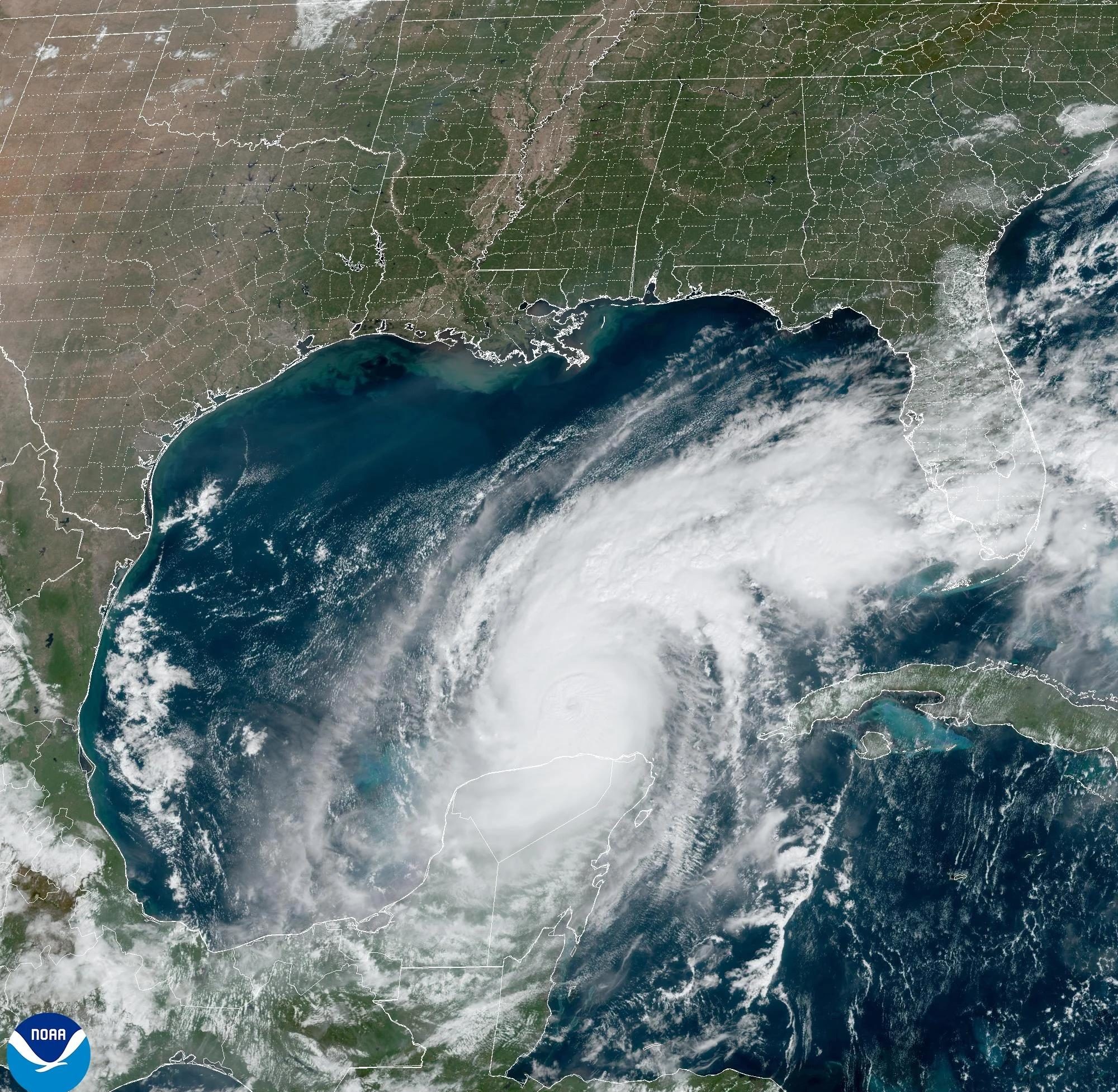
Florida is beginning to assess the damage after Hurricane Isaias made landfall near Destin on Friday night, October 9, bringing powerful winds, heavy rain and dangerous flooding to the northern Gulf Coast.
The storm hit as a Category 2 hurricane with sustained winds of 105 mph, according to Florida officials. Strong winds knocked down trees and power lines, while flooding and debris made several roads dangerous to travel.
By Saturday, nearly 900,000 homes and businesses across Florida, Alabama and Georgia had reportedly lost electricity at some point during the storm. Thousands of residents had evacuated coastal communities ahead of landfall.
Isaias has since weakened into a post-tropical cyclone as it moves inland through Alabama, but the danger is not over. Heavy rainfall, flash flooding and damaging winds remain concerns for parts of the Southeast, including Georgia and the Carolinas.
Authorities have also reported two storm-related deaths, one in Florida and another in Alabama, as recovery efforts continue.
Two Other Storms Being Monitored
While Florida deals with the aftermath of Isaias, forecasters are also tracking two storms in the eastern Pacific.
Hurricane Simon has strengthened into a powerful Category 4 hurricane with sustained winds near 150 mph. The storm is approaching Mexico’s Pacific coast, where officials are warning of dangerous winds, flooding and mudslides.
Tropical Storm Rachel, meanwhile, is moving toward Mexico’s Baja California Peninsula with sustained winds near 60 mph. Its path could also bring heavy rain and flooding concerns to parts of the southwestern United States.
These two storms are in the Pacific Ocean, not the Atlantic, and neither is forecast to hit Florida.
Residents in affected areas should continue following local emergency officials and the latest updates from the National Hurricane Center.