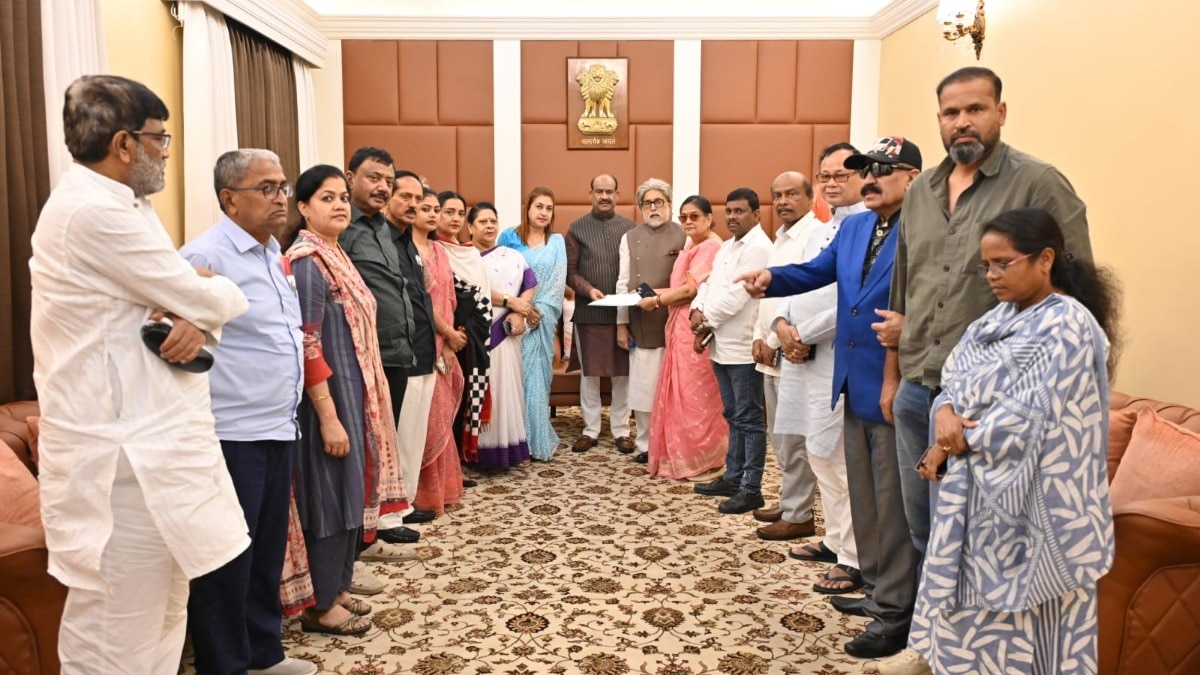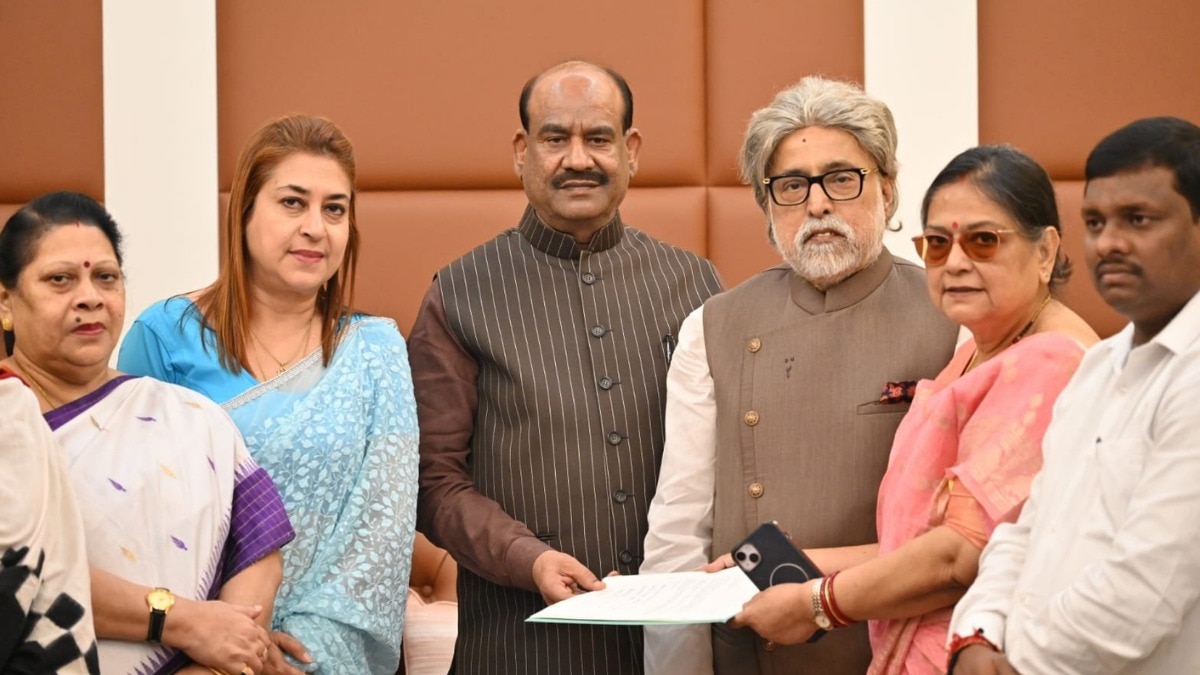
The ongoing rebellion within the Trinamool Congress (TMC) took a dramatic political and legal turn on Sunday. Nineteen rebel Lok Sabha Members of Parliament (MPs) met with the Lok Sabha Speaker to stake their claim for a merger with a little-known political outfit, the Nationalist Citizens Party of India (NCPI). The lawmakers submitted a formal letter to the Speaker bearing 20 signatures; one MP could not reach Delhi as they are currently abroad.
Beyond staking a claim to merge with the NCPI, the rebel MPs also requested separate seating arrangements in the Lok Sabha, away from the opposition INDIA bloc. Concurrently, they announced their support for the ruling National Democratic Alliance (NDA). However, the rebel camp dropped strong hints that in the near future, they might stake a formal claim to be recognised as the “real Trinamool Congress.”
Senior leader Sudip Bandyopadhyay stated that they command the support of 20 MPs, which constitutes a two-thirds majority of the parliamentary party. He clarified that while they are not claiming the party name right now, they might approach the court during the upcoming Monsoon Session to assert that their faction represents the genuine Trinamool Congress.
According to sources, a calculated political and legal strategy is driving this entire exercise. The central government is planning to introduce several crucial Constitutional Amendment Bills during the Monsoon Session, which require a two-thirds majority to pass. It is widely believed that the efforts to bring the TMC MPs on board were engineered keeping this legislative requirement in mind.
Speculation is also rife regarding the Bharatiya Janata Party’s (BJP) role in this script. Frequent meetings of the rebel MPs at Union Minister Bhupender Yadav’s residence, the presence of BJP MPs Nishikant Dubey and CM Ramesh, and the rebel leaders’ meeting with Home Minister Amit Shah have strongly reinforced the perception that the BJP is actively steering these developments.
However, this strategy is not without its hurdles. Several leaders within the West Bengal unit of the BJP fear that aligning closely with politicians they have fought against for years could send an adverse message to their grassroots workers. On the flip side, the rebel MPs harbor anxieties of their own, knowing that if their legal arguments fail to hold water, their Lok Sabha memberships could be at risk.
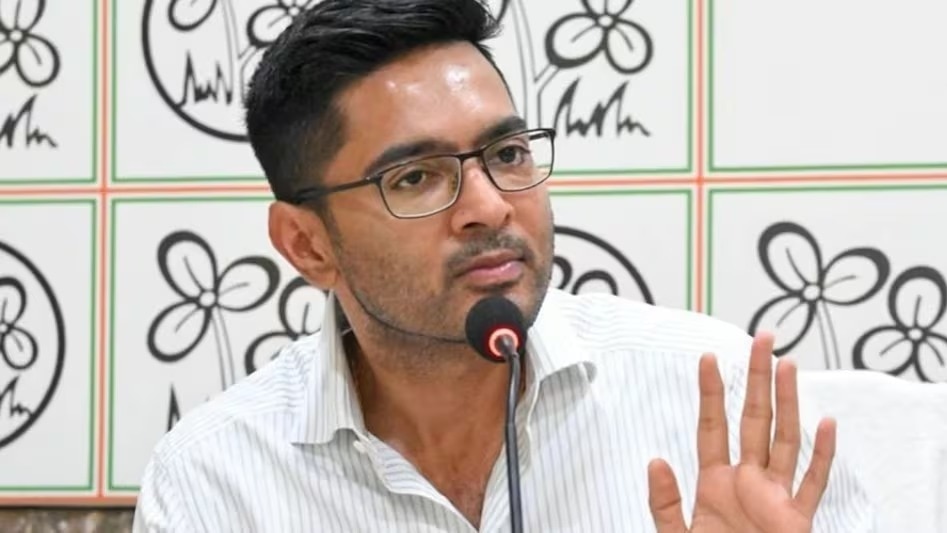
The TMC leadership has swiftly opened a legal front in response. Party General Secretary Abhishek Banerjee dispatched a letter to the Speaker, citing the Supreme Court’s landmark ruling in the Subhash Desai vs. Governor of Maharashtra case. The letter emphasizes that the original political party holds supremacy over the legislative wing, and a valid merger can only be recognized if the original political party itself merges into another organisation. A mere breakaway group of MPs, the letter argues, cannot validate a merger.
Senior advocate Kapil Sibal has similarly questioned the legal standing of the rebel lawmakers. He noted that joining another party without the consent of the parent organisation provides strong grounds for the disqualification of the MPs.
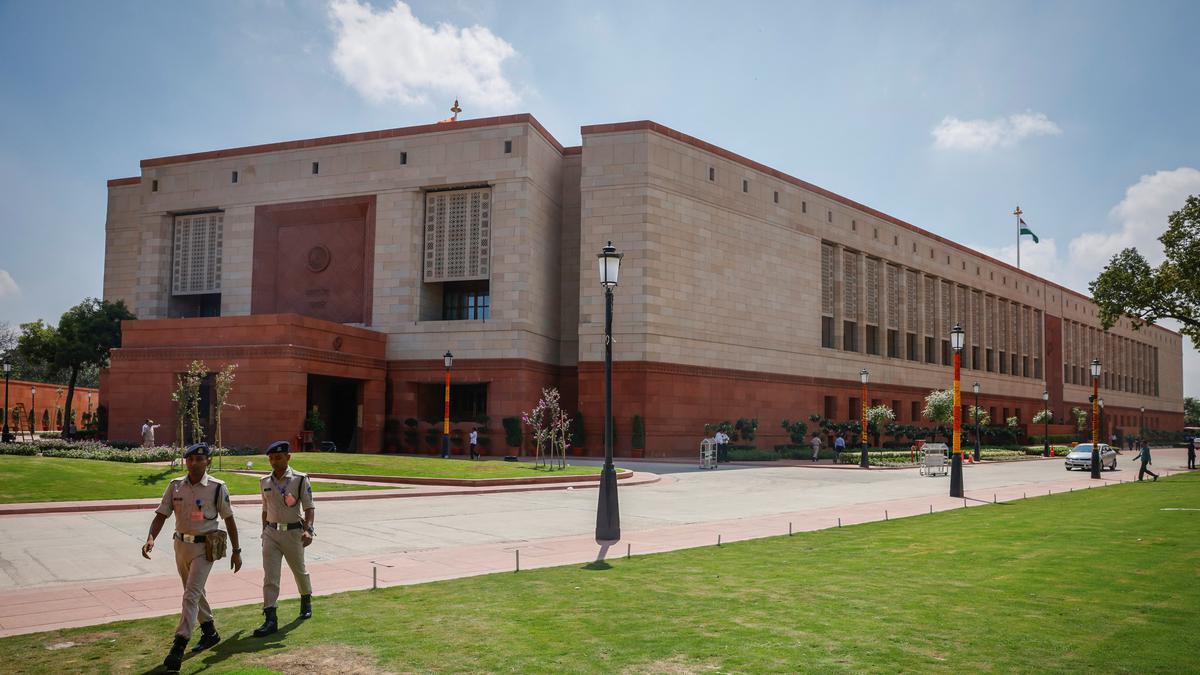
The spotlight now shifts entirely to Lok Sabha Speaker Om Birla, who has received representations from both factions. The Speaker must now decide whether to recognize the claim of merger with the NCPI and whether to grant the rebel MPs separate seating in the House. Whichever way the decision goes, it is highly anticipated to spark a protracted legal battle in the courts.
– Ends
Published By:
Akash Chatterjee
Published On:
Jun 15, 2026 00:10 IST