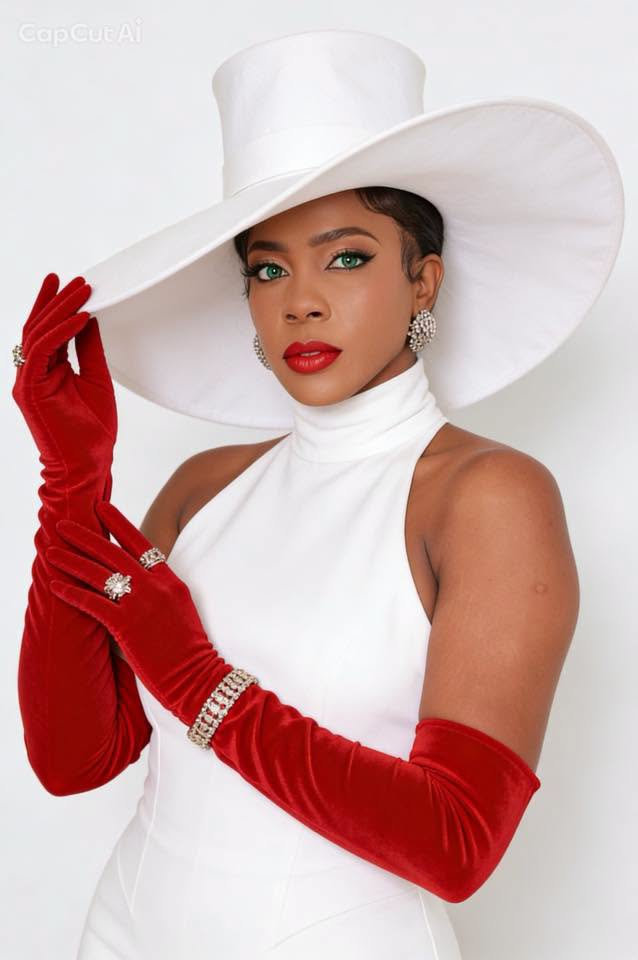
I had the opportunity to have a small chat with Esther Surpris of Djapot, and it brought back memories of her performing at my Unplugged shows. Seeing where she is now makes me appreciate the years of work behind the recognition she’s receiving.
Our conversation also brought me back to the other women who performed at those shows and deserved more attention. Esther’s story gives me a reason to revisit those memories and recognize the talent that was there all along.
Remembering Esther on the Unplugged Stage
I remember Esther performing at many of my Unplugged shows years ago, alongside other female artists in the Haitian music industry, or HMI. Those appearances remain part of how I know her as an artist.
What stayed with me was the talent these women brought to the stage. When I see Esther with Djapot, I remember that her musical journey was already underway back then.
Speaking with Esther Surpris of Djapot gave those memories a present-day connection. She described growing more confident in her voice and learning to speak up about her needs as an artist.
She also spoke about the understanding she has developed with Pedro Force and the musicians. Her answers connect artistic growth with the everyday work of rehearsing, listening, and learning how to perform together.
The Talent Was There, Even When the Spotlight Was Not
From my experience with the Unplugged shows, talented women didn’t always receive the attention their performances deserved. Esther was among the artists whose ability made an impression on me.
I felt some of those women were stronger performers than male artists receiving more attention. But the point isn’t to rank women against men. It’s to recognize the gap I saw between talent and opportunity.
Recognition Should Include the Work Behind It
That experience shapes how I hear Esther discuss being taken seriously. Her comments about expectations placed on women bring a personal perspective to the conversation.
How HMI Women Are Sowing the Seeds They Planted Years Ago
For me, Esther’s work with Djapot connects two parts of the same journey: the artist I remember at Unplugged and the singer describing her growing confidence now.
I can’t measure every opportunity those earlier performances created. Still, hearing her acknowledge greater recognition makes me glad. The work I remember has a place in the story she is telling today, even as she continues to develop.
Women entering Haitian music deserve examples of artists developing their own identities. Esther names that lesson directly when discussing the women she admires.
1. What does it feel like to step into the spotlight as a prominent female face of Djapot?
It feels like a blessing and a responsibility. I’ve worked with Pedro Force and Djapot for a long time, and I’m grateful that people are recognizing my voice and my contribution. I want to represent women in Haitian music with confidence, while staying true to who I am as an artist.
2. What were your biggest hesitations before committing to the band, and how did you overcome them?
I understood that the music business can be demanding, especially for women. I thought about the commitment, the travel, and whether I would have room to express my own artistic identity. I moved forward by trusting my talent, staying focused on the music, and learning to speak up for what I need as an artist.
3. How would you describe your vocal style and musical lane?
My voice is expressive, emotional, and warm. I enjoy singing Kompa, especially songs that tell a story and connect with people’s feelings. I want listeners to hear sincerity in my voice and feel that I’m singing directly to them.
4. What have you learned from women such as Emeline Michel, Phyllis Ross, Misty Jean, Anie Alerte, and Rutshelle Guillaume, etc. ?
They’ve shown me that a woman can build her own place in Haitian music through talent, discipline, and consistency. Each has her own identity, and that reminds me not to copy someone else’s path. I can learn from their example while developing a sound and presence that are my own.
5. How have you prepared for the energy and stamina required for live performances?
Performing live takes preparation, focus, and energy. I work on knowing the songs well, staying connected to the musicians, and giving the audience my attention. Once I’m onstage, I feed off the crowd’s energy and do my best to make every performance feel alive.
6. Which artists have influenced your musical identity?
I’ve been inspired by Haitian artists who sing with feeling and bring their own personality to the stage. I’m also influenced by music from different cultures and generations. Those influences help me grow, but I want my own Haitian identity and personal experiences to come through in my music.
7. How has the chemistry changed between you, Pedro Force, and the musicians?
Over time, we’ve learned more about each other’s strengths and how to work together onstage. That understanding makes it easier to communicate through the music and respond to one another during a performance. The chemistry grows with every rehearsal, show, and shared experience.
8. How much of your personal experience went into “Sispan’n pwofite’m”?
The song’s message is something many people can relate to: knowing your worth and setting boundaries. I brought real emotion to the performance because I understand how important it is to stand up for yourself. Even when a song is not a direct retelling of one specific event, an artist can draw on genuine feelings to make it honest.
9. How do you make your voice stand out over Kompa’s brass and rhythm sections?
I focus on clear phrasing, breath control, and expressing the meaning of the lyrics. I also listen closely to the band, so my voice works with the arrangement instead of competing with it. The goal is for people to hear both the strength of the music and the emotion in the song.
10. How has your style and artistic maturity evolved since “Confusion” and “Tu es là”?
Those songs were important steps in my journey. Since then, I’ve become more confident in my voice and more aware of the stories I want to tell. I’m still growing, but I feel more comfortable bringing my personality and experience into each performance.
11. What does a female lead bring to Djapot’s identity?
A female lead brings a different perspective and a different emotional color to the band. I can bring softness, strength, and a woman’s point of view to the songs and performances. I hope that adds another dimension to Djapot’s sound and helps more women see themselves represented onstage.
12. What is the hardest part of navigating today’s Haitian music scene as a woman?
One challenge is making sure your work and talent are taken seriously in a competitive industry. Women also face pressure to meet expectations that may have little to do with the music. I try to stay focused, keep improving, and let my work speak for itself.
13. Which women in Haitian music inspired you to pursue this career?
I admire Haitian women who have built lasting careers through their talent, courage, and dedication. Their journeys showed me that women belong in every part of the music industry. They encouraged me to believe that I could find my own voice and create my own path.
14. How do you handle public criticism and praise from fans and HMI media?
I appreciate the people who support my music, and I try to receive praise with gratitude and humility. Criticism can be difficult, but I look for anything constructive that can help me improve. I also remind myself that I can’t let every opinion define who I am or the work I’m doing.
15. What can fans expect next from you and Djapot?
Fans can look forward to more music, more performances, and new ways to connect with us. I’m excited about what’s ahead and grateful for everyone who continues to support my journey. We’ll share confirmed news about upcoming releases and appearances through our official pages.
My small chat with Esther brought me back to those Unplugged performances and the women whose talent I remember. Hearing her speak about Djapot added another chapter to that connection.
I’m glad to see Esther Surpris of Djapot receiving recognition for her contribution. Her persistence, and the work of other women in the HMI, deserve acknowledgment. The seeds planted years ago are beginning to bear fruit.