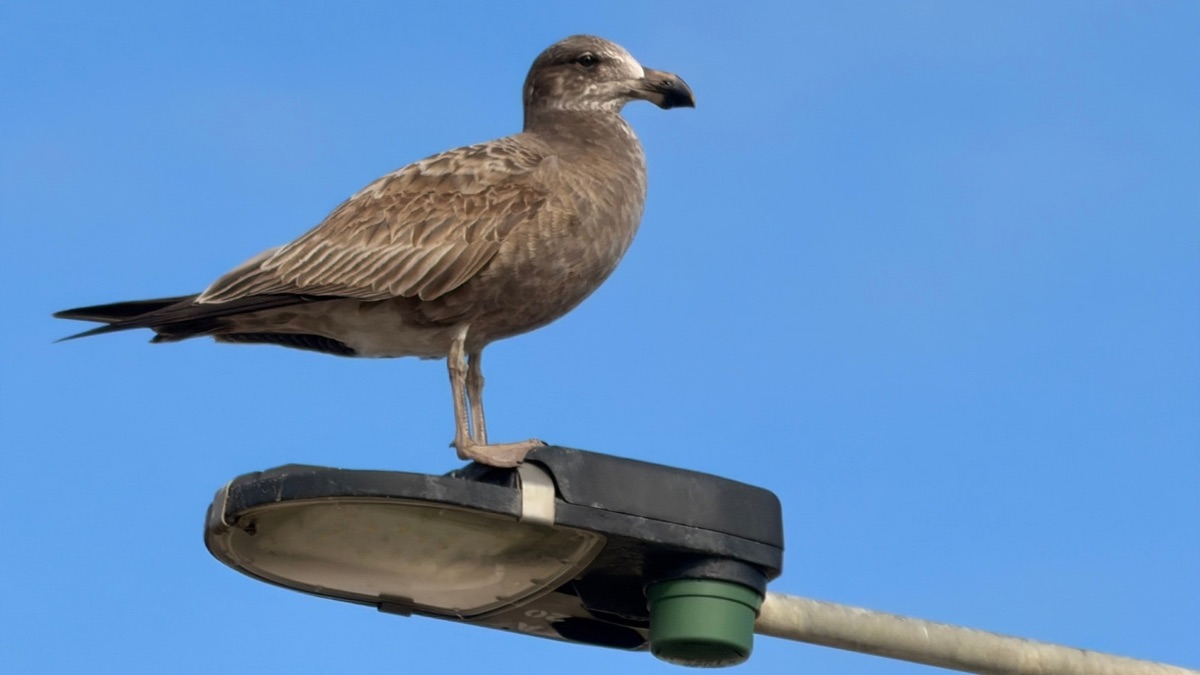
South Australia has confirmed two additional cases of H5 bird flu in wild seabirds, bringing the state’s total number of detections to seven.
The latest cases involve two greater crested terns, with one found at Semaphore Beach in Adelaide’s north-west and the other at Long Beach in Robe on the Limestone Coast. The Semaphore case is the first confirmed detection in metropolitan Adelaide.
The latest detections mean South Australia’s confirmed cases now include a southern giant petrel found at Knights Beach, Port Elliot on 24 June, followed by a giant petrel at Hardwicke Bay on the Yorke Peninsula on 8 July, a southern giant petrel at Emu Bay on Kangaroo Island on 10 July, a northern giant petrel at Port Vincent on 10 July, and three greater crested terns, one detected at Robe on 10 July and the two new confirmations from Semaphore and Robe on 26 July.
Authorities say all seven confirmed cases have been in wild seabirds. The virus strain matches the H5 bird flu strain circulating in the Southern Indian Ocean Sub-Antarctic Territories, including Heard Island. Importantly, it has not been detected in poultry and has not become established anywhere in Australia.
The State Government is continuing surveillance efforts while encouraging the public to play an active role in monitoring wildlife.
Minister for Climate, Environment and Water Emily Bourke said the Bird Observers Network, developed in partnership with Conservation Council SA, Birds SA and BirdLife Australia, was helping strengthen the state’s surveillance efforts.
Residents are urged not to touch sick or dead birds or animals. Instead, they should keep their distance, record what they observe and report sightings to the Emergency Animal Disease Hotline on 1800 675 888.
Earlier this week, the State Government launched birdflu.sa.gov.au as a central hub for the latest information, advice and resources relating to H5 bird flu. The website provides updates for primary producers, veterinarians, wildlife carers and the wider community, complementing the 24-hour Emergency Animal Disease Hotline.
The Government is also encouraging members of the public to attend a free community information forum in Glenelg tomorrow (Monday), where experts will provide updates on South Australia’s response and answer questions about the virus, surveillance efforts and what residents should do if they encounter sick or dead wildlife.
For the latest South Australian information, visit birdflu.sa.gov.au, while national updates are available at birdflu.gov.au.