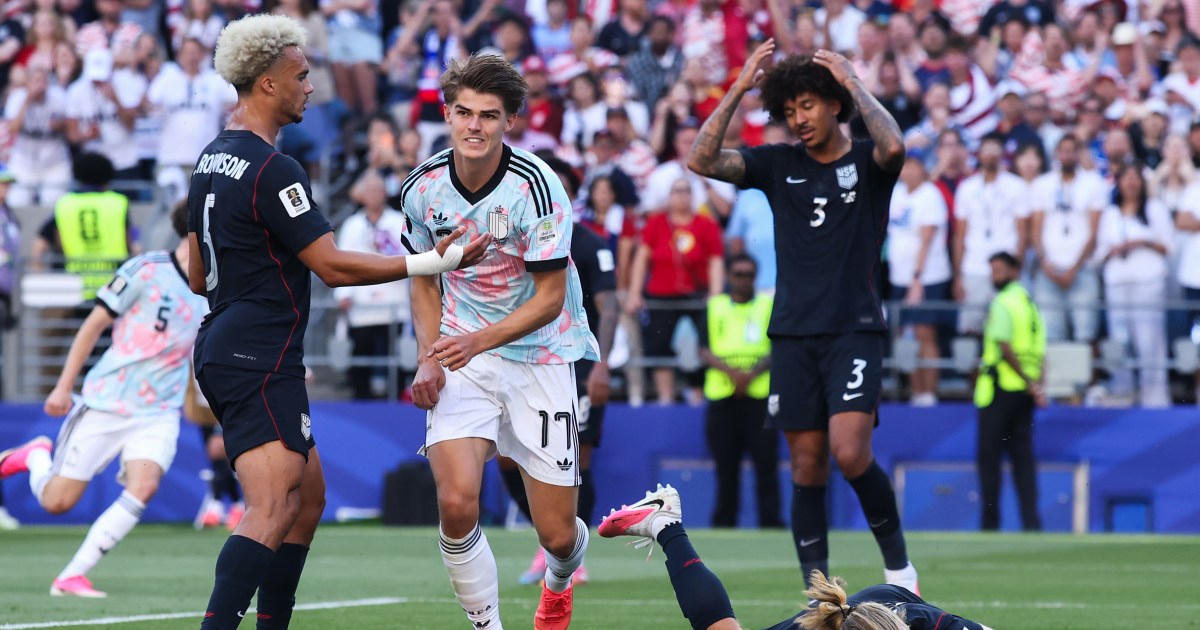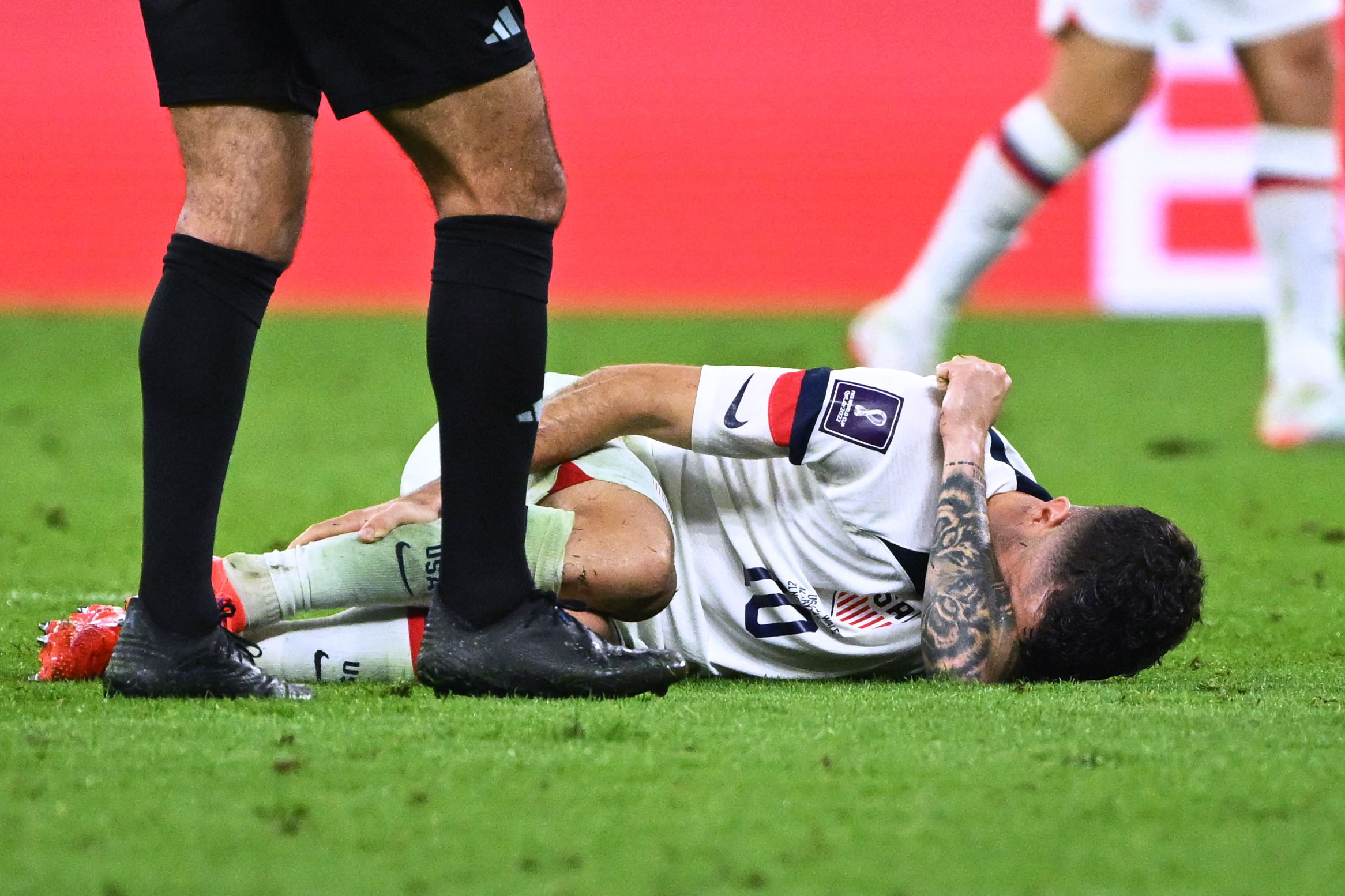
Christian Pulisic’s apparent calf reinjury during the United States’ World Cup Round of 16 loss to Belgium comes after he managed the same issue earlier in the tournament, a pattern sports medicine specialists say is common with calf strains that have not fully healed.
Pulisic, who had been managing a left calf issue earlier in the tournament, was substituted after appearing to experience discomfort in his lower leg.
While the full extent of the injury has not been publicly confirmed, sports medicine experts say calf strains are among the most common injuries in elite soccer and are particularly prone to recurrence if the muscle has not fully recovered.
The incident reflects a dilemma faced by many professional athletes: returning to competition before a muscle has completely healed can increase the risk of reinjury, especially during tournaments that require multiple high-intensity matches within a short period.
Why Calf Strains Frequently Return
The calf consists primarily of two muscles, the gastrocnemius and the soleus, that work together to generate the explosive movements required for sprinting, jumping, and sudden changes in direction.
According to Cleveland Clinic, muscle strains occur when muscle fibers are stretched beyond their capacity or partially torn. The severity can range from microscopic damage to complete tears.
Calf strains are especially common in soccer because players repeatedly accelerate, decelerate, pivot, and sprint throughout a match. Even after symptoms improve, healing muscle tissue may remain weaker than normal for several weeks, increasing the likelihood of another injury if an athlete returns too soon.
Research published in the British Journal of Sports Medicine has found that a history of muscle injury is one of the strongest predictors of future muscle strains, particularly in the lower extremities.
Why Tournament Play Increases the Risk
Major international tournaments present unique recovery challenges.
Players often compete every three to five days while also traveling, training and managing accumulated fatigue. Medical staff work to balance recovery with the demands of competition, but soft-tissue injuries may remain vulnerable under repeated physical stress.
Fatigue can alter running mechanics and reduce muscle function, increasing strain on the calf during explosive movements. In addition, scar tissue formed during the healing process may be less flexible than healthy muscle, increasing the risk of reinjury if rehabilitation is incomplete.
Sports medicine specialists generally recommend that athletes demonstrate full strength, flexibility, and pain-free movement before returning to competition, rather than relying solely on the absence of pain.
Recovery Depends on the Severity of the Injury
Treatment for a calf strain varies depending on the extent of muscle damage.
Mild strains may improve within one to three weeks with rest, activity modification, and progressive rehabilitation. Moderate injuries often require four to eight weeks before athletes can safely return to play, while more severe tears may require several months of recovery, according to guidance from the Mayo Clinic.
Rehabilitation typically focuses on gradually restoring flexibility, strengthening the calf muscles, and improving balance and movement patterns. Athletes also undergo sport-specific drills before being medically cleared to compete.
Medical experts caution that returning too quickly can prolong recovery and increase the risk of repeated injuries.
Preventing Future Calf Injuries
Although not every muscle strain can be prevented, sports medicine professionals recommend several strategies to reduce risk.
Proper warmups, progressive strength training, adequate recovery between matches and careful management of training loads all play important roles. Monitoring fatigue and addressing minor muscle tightness before they progress to a strain may also help lower injury risk.
For athletes with a history of calf injuries, rehabilitation often continues even after they return to competition. Ongoing strengthening and flexibility exercises are commonly incorporated into regular training programs to reduce the chance of recurrence.
A Common Problem in Elite Soccer
Calf strains remain one of the most frequent soft-tissue injuries in professional soccer because the sport places continuous demands on the muscles responsible for acceleration and explosive movement.
Pulisic’s apparent reinjury illustrates how difficult these injuries can be to manage during high-stakes tournaments. Even when symptoms improve enough to allow a return to play, the underlying muscle may still be recovering.
Sports medicine experts say careful rehabilitation, gradual return-to-play protocols and continued conditioning remain the best strategies for reducing the risk of another setback, though no approach can eliminate the possibility of recurrence entirely.