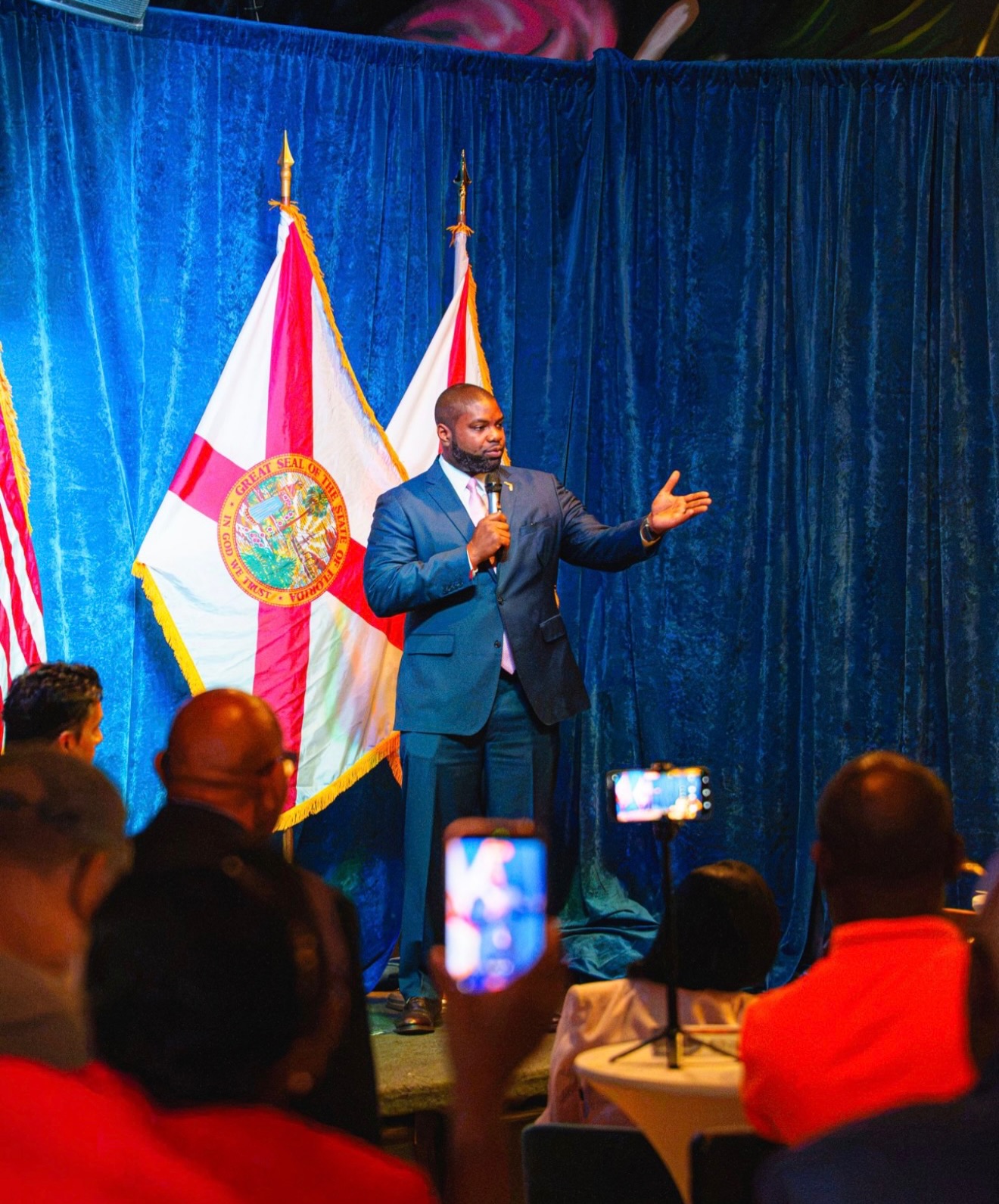
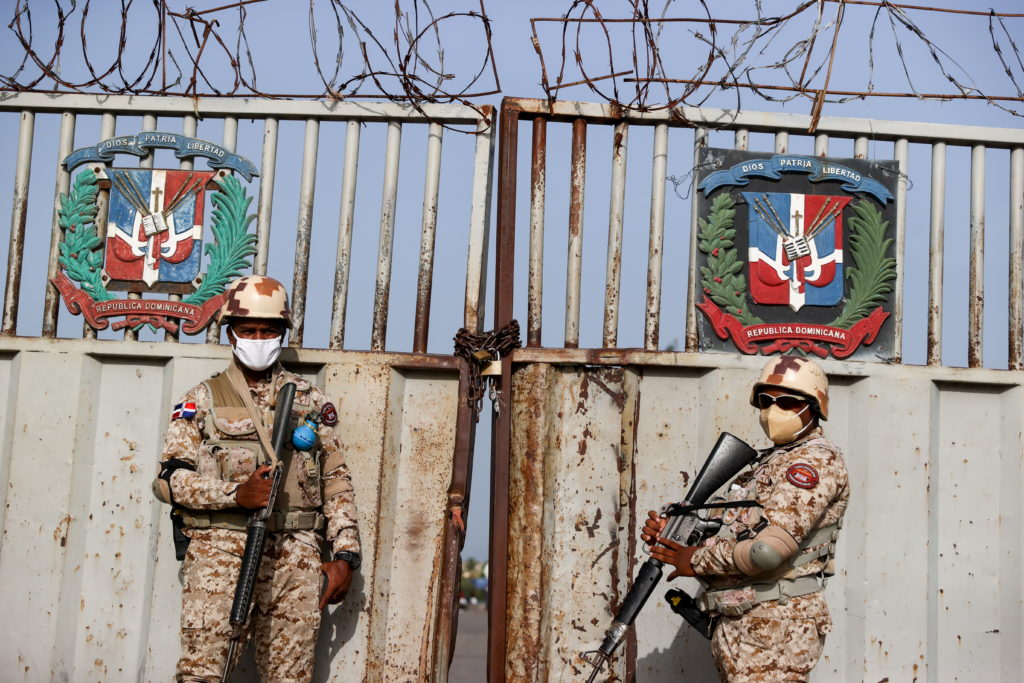
President Donald Trump has nominated Austin Holmes of Florida to become U.S. Ambassador to Haiti, according to a September 14 slate of nominations transmitted to the Senate. The White House nomination notice names Holmes for the full diplomatic post.
The nomination is important, but it isn’t a completed appointment. The Senate must confirm Holmes before he can assume the role in Port-au-Prince.
Holmes brings a long connection to Haiti, Haitian Creole skills, and experience across humanitarian work, business operations, disaster logistics, and security coordination. Those qualifications have drawn attention as the Senate begins its review.
-
Trump nominated Austin Holmes of Florida to serve as ambassador extraordinary and plenipotentiary to the Republic of Haiti.
-
Holmes has worked in Haiti since 2009, previously lived there, and speaks Haitian Creole.
-
His record includes leadership roles at RallyX, Caribbean Security Group, and Mission of Hope.
-
A Senate confirmation process, not the nomination itself, determines whether Holmes takes the post.
-
His February testimony on Haiti’s security crisis gives senators a public record to examine.
Austin Holmes nominated as U.S. Ambassador to Haiti: what we know
The nomination identifies Holmes for the position of Ambassador Extraordinary and Plenipotentiary of the United States of America to the Republic of Haiti. Trump sent the nomination slate to the Senate on September 14.
An ambassador represents the United States in dealings with Haiti’s government and other official institutions. The ambassador also advises Washington on events in Haiti, oversees embassy priorities, supports U.S. citizens, and manages diplomatic relationships with international partners.
That job requires more than public statements. It includes coordinating with State Department officials, aid agencies, security personnel, Haitian authorities, and civil society groups during periods of uncertainty.
Why Senate confirmation is the next major step
The Senate decides whether a presidential nominee can take a senior diplomatic post. Senators may review the nominee’s background, request written answers, seek financial disclosures, and refer the matter to a committee for consideration.
A committee hearing is common for ambassadorial nominees, although the Senate can handle nominations in different ways. If a committee advances Holmes’s nomination, the full Senate may then vote.
The timetable can vary widely. Holmes cannot formally assume the ambassadorship until the Senate confirms him and the remaining appointment steps, including his commission and oath, are complete.
What the title does and does not mean
“Extraordinary and plenipotentiary” is the formal title for an ambassador with full authority to represent the United States in the assigned country. It doesn’t give one person unlimited authority over U.S. policy.
Major decisions still come through the president, the secretary of state, Congress, and other U.S. agencies. The title also doesn’t mean Holmes has already entered the role. Until confirmation, he remains a nominee.
Holmes’s experience in Haiti and the organizations he has led
Holmes has worked in Haiti since 2009 and previously lived in the country. He also speaks Haitian Creole, a practical skill for direct conversations beyond formal English-language meetings.
His professional background spans several organizations. Holmes is CEO of RallyX, previously served as CEO of Caribbean Security Group, and has been chairman of Mission of Hope. Taken together, those roles involve private-sector operations, relief work, education, logistics, and security coordination.
That mix is unusual for a diplomatic nominee. However, experience in those fields is a record of past work, not a guarantee of how he would make policy as ambassador.
Holmes’s written testimony describes work in Haiti across humanitarian response, disaster logistics, education programs, and business operations. He told senators that his work began in 2009 and referred to relationships built through years of living and working in the country.
Experience organizing supplies, transport, schooling, and local operations may help a diplomat understand practical limits on aid delivery. Still, an ambassador’s responsibilities include formal diplomacy and U.S. government management, which go beyond nonprofit or private-sector leadership.
His work in high-risk security environments
Security coordination is another part of Holmes’s record. Haiti’s risks can affect aid workers, transport routes, schools, medical care, businesses, and the daily movement of residents.
Holmes has discussed operating in difficult conditions, but readers should distinguish documented work from broad claims about individual operations. His written Senate testimony is a useful primary source for his own account of events and views.
Security planning can shape whether food, medicine, teachers, and humanitarian workers can safely reach the communities they are meant to serve.
Specific claims about past security incidents should rely on public testimony, official records, and reputable reporting. That care matters because Haiti’s security situation often produces incomplete or competing accounts.
What Holmes could face as ambassador to Haiti
The Haiti posting is one of the United States’ most demanding diplomatic assignments. The next ambassador would confront armed-group violence, severe humanitarian needs, fragile political arrangements, disaster exposure, migration concerns, and threats to U.S. citizens and aid operations.
Port-au-Prince has faced major limits on safe travel and public services. Armed groups control large parts of the capital, while Haiti also prepares for long-delayed elections. Each issue affects the others, because insecurity can block aid and weaken confidence in political institutions.
The ambassador would need to communicate U.S. priorities without treating Haiti’s crisis as a problem Washington can solve alone.
How his Haiti knowledge could shape the role
Holmes’s experience in Haiti, Creole fluency, and familiarity with relief logistics could help him understand local conditions and communicate with a broader range of people. Relationships developed over many years may also offer useful context.
Those are potential advantages, not promises of a particular outcome. Diplomatic work requires cooperation with Haiti’s government, U.S. agencies, international partners, aid organizations, and local communities with different interests and experiences.
Local knowledge can improve judgment, yet it must operate within U.S. law, established policy, and the limits of the ambassador’s authority.
The questions senators may examine
Senators may ask Holmes about his views on security assistance, humanitarian aid, migration, elections, and the U.S. relationship with Haitian institutions. His business interests, work with private security, and humanitarian record could also receive close attention.
Financial disclosures and conflict-of-interest questions matter because an ambassador must make decisions for the United States, not for former employers or business partners. Senators can also examine how he would separate private relationships from official duties.
A confirmation hearing tests more than a nominee’s résumé. It tests whether the nominee can explain priorities, disclose interests, and accept public scrutiny.
What happens next for the Haiti ambassador nomination
After the September 14 transmission, the Senate can request further information, schedule interviews or a hearing, and decide whether to advance the nomination. A committee may question Holmes in public or seek written responses before acting.
If the nomination reaches the Senate floor, senators can vote to confirm or reject it. The process may move quickly, or it may take longer because of Senate scheduling, committee priorities, or unresolved questions.
Until a confirmation vote and the final appointment steps occur, Holmes remains the nominee for U.S. Ambassador to Haiti.
Follow official updates, not assumptions
The most reliable updates will come from official Senate materials, hearing notices, roll-call records, and State Department announcements. News coverage can add important context, but it should not replace the confirmation record.
A nomination announcement alone does not establish a start date, policy agenda, or final outcome. Readers should be cautious when reports describe Holmes as ambassador before the Senate acts.
How to judge the nomination fairly
A fair assessment starts with verified facts. Compare the White House nomination, Holmes’s public testimony, official biographies, disclosure materials, and reporting that identifies its sources.
Political reactions may reveal genuine concerns, but they aren’t substitutes for records. Likewise, supportive claims about Holmes’s Haiti experience should be measured against what he has publicly documented.
If the Senate has not yet held a hearing or vote, that uncertainty should remain clear. The confirmation process exists to examine unanswered questions in public.
What This Nomination Means
Holmes’s nomination comes months after he testified in February before the Senate Appropriations Subcommittee on State, Foreign Operations, and Related Programs. He appeared with then-U.S. Charge d’Affaires Henry Wooster at a hearing focused on Haiti’s security crisis and U.S. assistance.
During that session, Holmes argued that security and freedom of movement must come first if humanitarian aid and longer-term recovery are to succeed. He also called for Haitian-led security capacity rather than an open-ended foreign presence.
The U.S. Embassy in Port-au-Prince has been led by a charge d’affaires since mid-2025, after Ambassador Dennis Hankins left the post. Wooster took charge of the mission in June 2025 and was later nominated as ambassador to Kenya.
If confirmed, Holmes would inherit a difficult assignment: a political transition, armed violence, urgent humanitarian needs, and hard choices about the order of U.S. security and assistance policy. Supporters point to his on-the-ground experience, Creole fluency, and security-first approach. The Senate will decide whether that background is sufficient for the post.
The Confirmation Will Define the Next Step
Trump has nominated Austin Holmes of Florida for the U.S. ambassadorship to Haiti. Holmes brings years of Haiti experience and work across humanitarian, business, logistics, education, and security settings.
The Senate must still confirm him. Its review will clarify Holmes’s qualifications, interests, priorities, and approach to one of the United States’ most demanding diplomatic assignments.