5 min readPuneMay 17, 2026 05:21 PM IST
Written by Ira Kharshikar
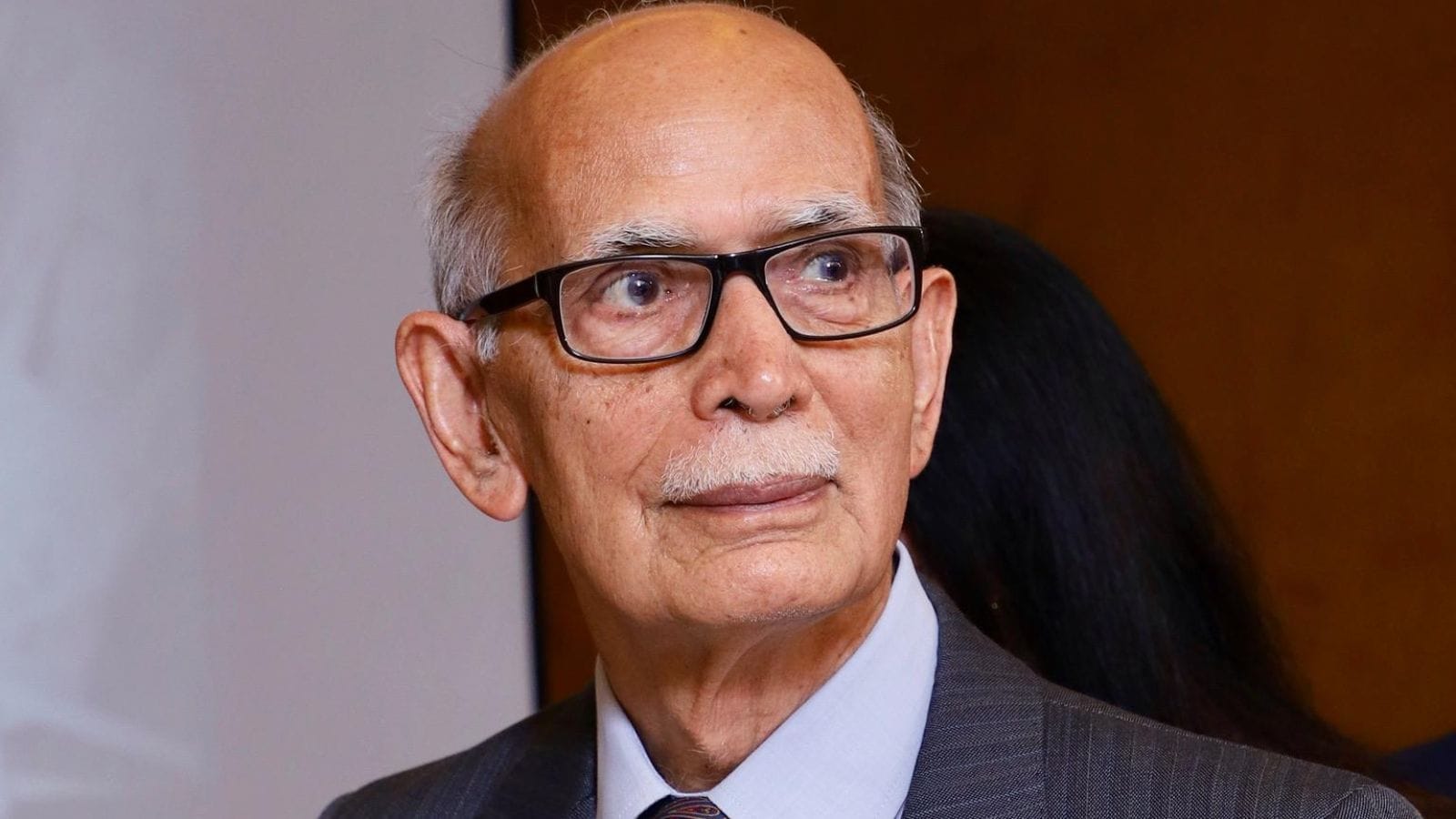
Most people, at 90, might be content to rest on a distinguished career, but Gopal K Gureja chose a different retirement plan. Last July, the former Thermax board director released Customer Service Edge, a new edition of his 2012 book Organisational Schizophrenia, on the persistent and costly gap between how companies think they treat their customers and how customers actually experience them. His notes are meticulous, his arguments sharp, and his conviction utterly undimmed.
“Experience doesn’t retire,” he says. “It either gets used, or it gets wasted. I’ve chosen to use mine.”
His story begins on a hillside in Himachal Pradesh, where, as a young government section officer, he managed earthmoving equipment on a road-widening project. When machines broke down, he found himself at the mercy of manufacturers – if they showed up at all. The experience of the indifferent and inadequate customer service he received stayed with him.
So when he left government service, he made an unlikely choice: he joined KG Khosla, the very company whose poor service had irritated him most. There, he spent nine years building their service department from an afterthought into a competitive differentiator.
He moved to Pune in 1970, joining what is now Thermax as All India Service Manager, eventually rising to the board of directors by 1990. Through it all, his argument remained the same: good customer service isn’t a cost to be minimised, it is a subset of the product. A company has the responsibility to protect its product. He trained service engineers to be not just technicians, but friends, and informal salespeople. The results were sometimes remarkable. Sales orders were closed in 15 minutes flat because a service engineer had already won the customer’s trust. On more than one occasion, a customer who had shut the door on a sales representative opened it immediately when the service engineer came instead.
“That magic of providing good and efficient service,” he says, “makes you feel good.”
Story continues below this ad
His books grew from a different kind of experience: being a customer himself and being failed. After retiring, he found himself embroiled in service disputes with several reputed companies. As he puts it, as a demanding customer, he would not accept less than what was due to him – which meant, more than once, gatecrashing the offices of top management to get it resolved. Each time, he got what he was owed. However, each time, he was struck by the same discovery: senior leadership was genuinely unaware of the gap between their declared policy and what customers were actually receiving at the operating level.
That observation sent him on three and a half years of empirical research, interviewing 200 people across 12 companies at every level of hierarchy. The pattern was consistent and damning. He calls it the iceberg of ignorance – top leadership is prone to seeing only the tip of the iceberg and remains blissfully unaware about the gaps in the company’s intent and action.
The World Economic Forum’s Global Competitiveness Report adds a national dimension. India consistently lags in customer orientation despite gains across other indices, a gap Gureja believes costs the country in the competitiveness rankings. He is considering writing to WEF chairman Klaus Schwab about Customer Service Edge directly. At 90, he is still thinking at that scale.
His book’s reception has been encouraging. The vice chancellor of Symbiosis University ordered 25 copies for students across the university’s business schools, adding it to their required reading lists. The connection goes back a long way: when Gureja’s first book was released in 1997, a Symbiosis professor in the audience invited him to teach CRM (Customer Relationship Management) – a subject that wasn’t even in MBA curricula at the time. He taught it as a visiting professor for several years.
‘Sense of responsibility’
Story continues below this ad
What keeps him going, he says, is not ambition but responsibility. “At this stage of my life, I’m not driven by professional ambition. I’m guided by a sense of responsibility to distil what decades of experience have taught me.”
His family has been very supportive, and his daughters helped make this publication happen. He wished for his book to be published by his 90th birthday. That’s exactly what his daughters made sure of. He keeps active, reading voraciously, and follows new developments in the field – including AI, about which he is characteristically direct. Technology can script answers, he concedes, “but it cannot replace a service engineer who shows up on time and genuinely cares.”
(Ira Kharshikar is an intern with The Indian Express)