European Union officials are increasingly sanguine that the US will hold off hitting the region with a diesel export ban that would intensify a supply crunch.
Dan Jorgensen, the EU’s energy commissioner, told reporters in Dublin Tuesday that he had sent a “very clear signal” to US energy secretary Chris Wright that such a ban would not be in anyone’s interests.
Jorgensen welcomed Wright’s comments that he was not in favor of such a move.
Sign up to The Nightly’s newsletters.
Get the first look at the digital newspaper, curated daily stories and breaking headlines delivered to your inbox.
By continuing you agree to our Terms and Privacy Policy.
We need to “have as free a flow of energy as possible in these difficult times,” Jorgensen said ahead of a meeting of EU energy ministers.
His comments come after he told Bloomberg last week that he would explore delaying some methane rules for importers by one year — a climate law that had drawn the ire of the US government.
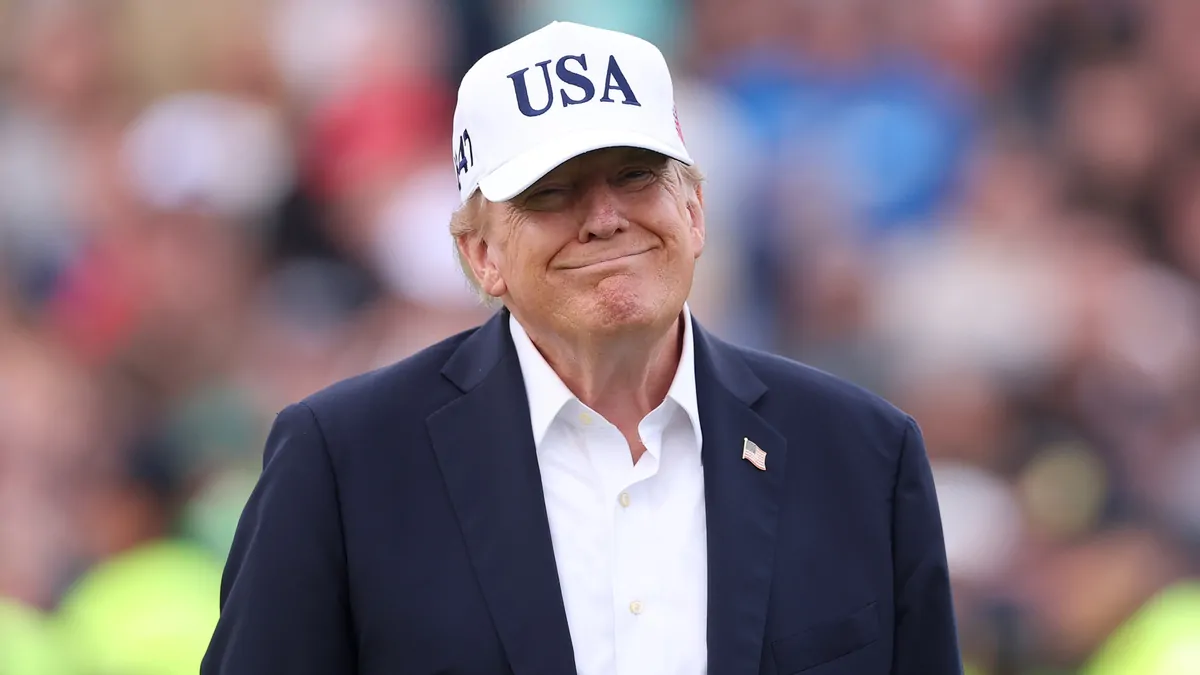
President Donald Trump said Sunday that he was looking “very seriously” at a diesel export ban, as he comes under increasing pressure to rein in US fuel prices.
Such a move has added to worries that Europe could face further shortages, with almost 20% of its imports already impacted by Strait of Hormuz disruptions.
French President Emmanuel Macron called on the European Commission last week to relax rules on diesel so that refiners could produce more.
Europe “is one of the most exposed regions, if not the most exposed one, when it comes to diesel,” Fatih Birol, executive director at the International Energy Agency, said in Dublin on Tuesday.
“Today, we get about 50% of our diesel from United States.”
Ireland’s Energy Minister Darragh O’Brien also said that a visit to the US last week and meetings with the US Chamber of Commerce left him the impression that the Trump administration would hold off enforcing a diesel export ban.
He added that any such action would also hurt US refiners. Still, the EU shouldn’t be complacent, he said.
“What I was able to to glean from colleagues in the United States last week, they don’t envisage that this will happen,” O’Brien said. “But look, we we have to be guarded.”