

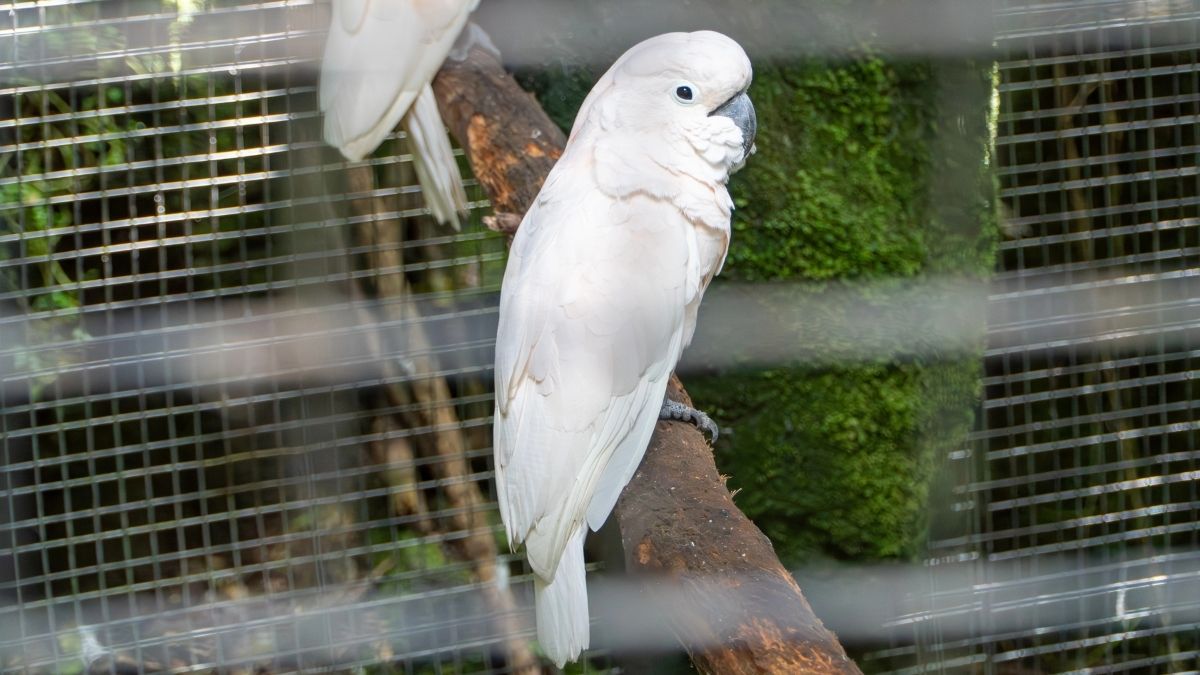
Adelaide Zoo and Monarto Safari Park are preparing to vaccinate some of their most vulnerable birds against H5 bird flu, as the disease continues to have a devastating impact on wild bird populations across South Australia.
Zoos SA is progressing plans to introduce targeted vaccination for priority species, working with the State Government, veterinary authorities and zoos across the country to determine which birds would benefit most.
The move follows the deaths of more than 1,000 seabirds in recent mass mortality events on islands off the South Australian coast.
Zoos SA Chief Executive Dr Phil Ainsley said the escalating situation had reinforced the need to use every available measure to protect animals at Adelaide Zoo and Monarto Safari Park.
“The significant impact we are now seeing H5 Bird Flu have on wild bird populations is incredibly concerning and reinforces why we have been preparing for the arrival of this disease for several years,” Dr Ainsley said.
“Vaccination now provides us with another potential layer of protection and we are actively working through the necessary approval processes so we can begin vaccinating eligible birds where our veterinary team considers it appropriate.”
Rather than vaccinating every bird across the two sites, Zoos SA plans to take a targeted approach based on individual species and their level of risk.
Veterinary teams will consider how vulnerable each species is to the virus, its likelihood of exposure, existing biosecurity protection and the welfare implications of catching and vaccinating individual animals.
Threatened species will require additional consideration, particularly where breeding programs are coordinated between zoos and conservation organisations around Australia.
“For threatened species, we also need to consider the bigger conservation picture,” Dr Ainsley said.
“Many of these populations are managed across multiple zoos and conservation organisations, so decisions around vaccination can have implications for breeding programs, genetics and the long-term resilience of those species.”
Zoos SA is participating in discussions with the Zoo and Aquarium Association and other institutions to develop a coordinated approach, particularly for threatened species housed at multiple facilities.
Vaccination would sit alongside extensive biosecurity measures already operating at Adelaide Zoo and Monarto Safari Park to reduce the chances of animals coming into contact with the virus.
Those measures will remain in place even if vaccinations begin.
“Vaccination isn’t a silver bullet and it doesn’t replace biosecurity,” Dr Ainsley said.
“Our first priority remains preventing exposure wherever possible. Vaccination gives us another tool that may help reduce the likelihood of infection, severe disease and mortality if exposure does occur.”
The public is being urged not to touch sick or dead birds or other wildlife and to follow the advice: AVOID. RECORD. REPORT.
Sightings should be recorded and reported to the Emergency Animal Disease Hotline on 1800 675 888.


