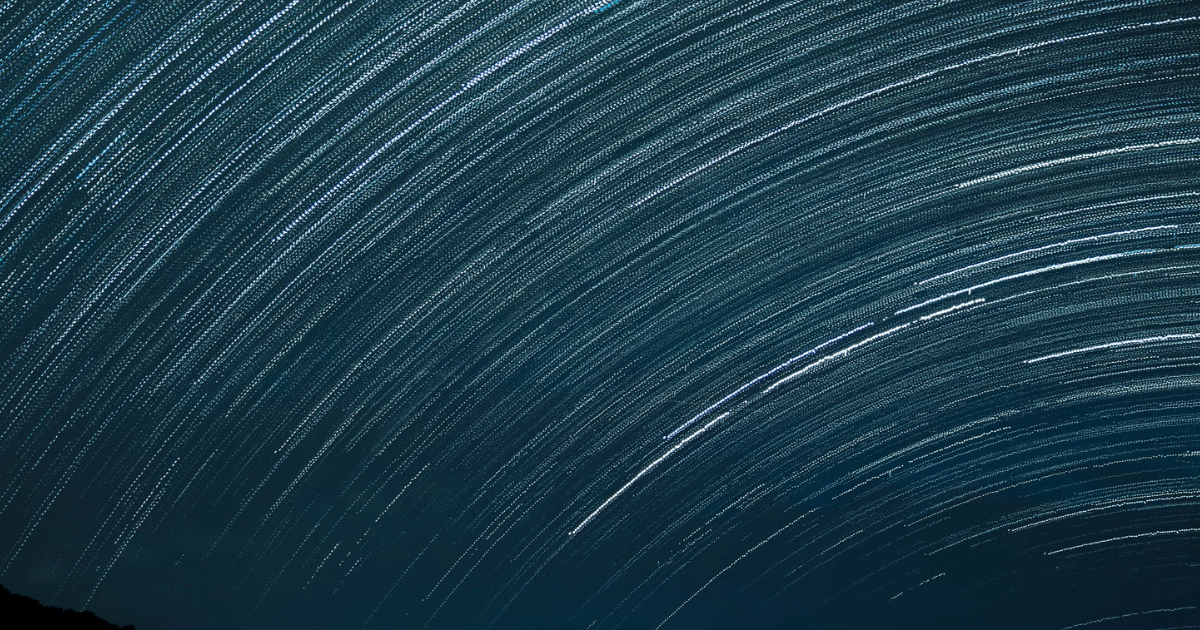
The annual Perseids meteor shower is returning to the UAE this week, offering one of the year’s best opportunities for stargazing as the celestial event coincides with a new moon for darker skies and improved visibility.
The Perseids are considered one of the world’s most spectacular meteor showers, producing up to 100 meteors per hour during peak activity under ideal conditions. For skywatchers across the UAE, the combination of minimal moonlight and clear desert skies could make this year’s display especially memorable.
Whether you’re joining an organised astronomy event or heading into the desert on your own, here is everything you need to know about watching the Perseids meteor shower in the UAE.
When is the Perseids meteor shower?
The Perseids meteor shower reaches its peak during the night of August 12 into the early hours of August 13.
This year’s event is expected to be particularly impressive because it coincides with a new moon, meaning there will be very little natural light to interfere with visibility.
Under ideal conditions, observers may be able to see dozens of bright meteors every hour streaking across the night sky.
The Perseids occur every year as Earth travels through debris left behind by Comet Swift-Tuttle. As tiny particles enter Earth’s atmosphere at high speed, they burn up and create the bright streaks commonly known as shooting stars.
Best organised events in the UAE
Several organisations across the UAE are hosting dedicated meteor shower viewing experiences.
Dubai Astronomy Group
The Dubai Astronomy Group will host an overnight observation event in the Al Khatim Desert in Abu Dhabi.
Running from 11pm on August 12 until the early hours of August 13, the event includes guided astronomy sessions, telescope observations, meteor watching and astrophotography opportunities.
Participants may also have the chance to observe Comet 10P/Tempel 2 through telescopes if weather and sky conditions allow.
Arabian Wanderers
Adventure company Arabian Wanderers is organising a desert experience at Al Quaa, widely regarded as one of the darkest locations in the UAE.
The experience includes 4×4 transportation, a barbecue dinner, bonfire, guided telescope sessions and overnight stargazing.
While the August 12 event has sold out, spaces remain available for August 13.
Mleiha National Park
In Sharjah, Mleiha National Park will host a guided astronomy evening on August 13.
The programme includes astronomy activities, telescope sessions, a desert buffet dinner and meteor shower observation throughout the evening with experienced guides.
Best places for independent stargazing
Those who prefer to watch the meteor shower independently can choose from several locations known for their dark skies.
Al Quaa
Often called the UAE’s darkest stargazing location, Al Quaa is one of the country’s most popular destinations for astrophotography and meteor watching.
Its remote desert location offers minimal light pollution, creating ideal viewing conditions.
Al Qudra Desert
Located within easy driving distance of Dubai, Al Qudra Desert is another favourite among photographers and astronomy enthusiasts.
Its wide open landscape provides unobstructed views of the night sky.
Hatta
The Hajar Mountains around Hatta offer elevated viewpoints and relatively dark skies away from the city.
The mountainous scenery also provides a unique backdrop for watching meteor activity.
Tips for watching the Perseids
To improve your chances of seeing the meteor shower, experts recommend travelling away from city lights and allowing your eyes around 20 to 30 minutes to adjust to the darkness.
No telescope or binoculars are needed to watch the Perseids. In fact, the meteors are easier to observe with the naked eye because they can appear anywhere across the sky.
Comfortable seating, water, warm clothing for the late-night desert temperatures and a flashlight with a red-light setting can also make the experience more enjoyable.
Weather conditions can affect visibility, so checking the forecast before travelling is recommended.
Why the Perseids are so popular
The Perseids have become one of the world’s most anticipated annual astronomical events because of their reliability, brightness and high meteor rates.
Many of the meteors leave glowing trails that remain visible for several seconds, while brighter fireballs occasionally appear during peak activity.
Combined with this year’s new moon, the 2026 Perseids are expected to provide some of the best viewing conditions seen in recent years.
For residents and visitors across the UAE, the event offers a rare opportunity to experience one of nature’s most impressive nighttime displays from some of the region’s darkest desert landscapes.
Why this year’s Perseids could be one of the best in recent years
Astronomy enthusiasts say the 2026 Perseids could deliver particularly strong viewing conditions thanks to the timing of the new moon. With little moonlight washing out the night sky, even fainter meteors may become visible from locations with low light pollution.
The Perseids are also known for producing bright fireballs — larger meteors that create exceptionally brilliant flashes as they enter Earth’s atmosphere. While there is no guarantee of seeing a fireball, observers often report several during the shower’s peak.
The best viewing window is usually after midnight and before dawn, when the side of Earth facing the direction of its orbit encounters more debris from Comet Swift-Tuttle. Patience is also important, as meteor activity naturally comes in waves, with quiet periods often followed by bursts of multiple meteors within a short time.
For anyone planning to spend the evening outdoors, the Perseids offer a rare chance to experience one of the year’s most spectacular natural sky events without the need for special equipment or astronomical knowledge.