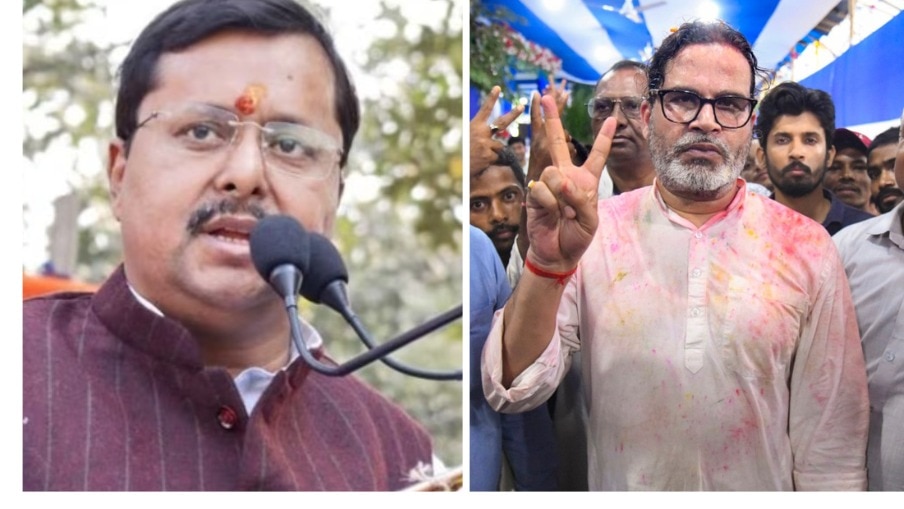
In a face-off between the ruling party and Opposition MPs on Monday at the meeting of the Parliamentary Standing Committee on Communications and Information Technology, where Meta representatives were summoned in the backdrop of the recent students’ protests, the BJP members, led by panel chairperson Nishikant Dubey, demanded an apology from Meta chief Mark Zuckerberg for restricting Prime Minister Narendra Modi’s Facebook post, while the Opposition pushed back, arguing that democracy should not be regulated in the name of regulating technology.
Instagram played a crucial role in the protest, acting both as the platform airing discontent and as a tool to mobilise protesters. The BJP has criticised many of the reels shared by the protesters as “distasteful”, a concern that was also shared by PM Modi.
Mr. Dubey warned that the social media company could face action if accountability was not fixed. It is learnt that he has asked Meta to provide a complete audit trail of the post, from “report to restoration”. The restriction, Mr. Dubey reportedly said in his opening remarks at the meeting, underscored the need for greater oversight of Meta’s content moderation processes, automated systems and recommendation algorithms.
The Opposition pushed back against this line of questioning by Mr. Dubey and other BJP MPs, arguing that content moderation decisions on social media platforms should not be subject to political influence. While raising their own concerns about Meta, particularly on issues of privacy and compliance with Indian laws, they maintained that criticism of the government could not be equated with anti-national content.
Congress MP Shafi Parambil is learnt to have told the meeting that “technology should be regulated, not democracy”, while emphasising that dissent could not be criminalised.
Mr. Dubey alleged that the incident reflected a pattern of conduct by Meta and questioned the company’s handling of content on its platforms.
‘Intent to destabilise country’
“This is not the first time Meta has done such a thing. In January, Meta chief Mark Zuckerberg had said that PM Modi lost the 2024 election. He is still our Prime Minister, so which election is he talking about? Mr. Zuckerberg had later apologised for his remarks. This shows that his intention is to destabilise the country,” Mr. Dubey said.
Referring to the recent episode involving Mr. Modi’s Facebook post, he said, “When a video of the Prime Minister of India can be removed, and they themselves admitted that the content was missing for five hours, from 12.30 a.m. to 5 a.m., it raises serious questions.”
‘Algorithm bias’
The committee, according to sources, questioned Meta representatives about what several members described as “algorithm bias”, that allegedly allowed objectionable content to circulate while restricting the Prime Minister’s post. Meta officials apologised for the incident and expressed regret before the panel, the sources said.
Opposition members, it is learnt, pushed back against this line of questioning, arguing that content moderation decisions on social media platforms should not be subject to political influence. While raising their own concerns about Meta, particularly on issues of privacy and compliance with Indian laws, they maintained that criticism of the government could not be equated with anti-national content.
Congress MP Shafi Parambil is learnt to have told the meeting that “technology should be regulated, not democracy”, while emphasising that dissent could not be criminalised.
Two demands
Mr. Dubey said the committee had conveyed two demands to the company. “The apology should come from Mr. Zuckerberg. If Mr. Zuckerberg does not apologise, then the ‘safe harbour’ protection under Section 79 should be withdrawn,” he said.
Mr. Dubey, in his opening remarks at the meeting, also demanded that Meta provide a complete audit trail of the post, from “report to restoration.” He said that the restriction on the post underscored the need for greater oversight of Meta’s content moderation processes, automated systems and recommendation algorithms.
He also called for clarity on the legal status of social media platforms. “There is a need for a policy decision on whether these companies are publishers or intermediaries,” he said.
The meeting, attended by representatives of Meta, Google, X, YouTube and Snapchat, along with senior government officials, discussed the subject, “Social and Digital Platforms and their Regulation”. It was held days after the Ministry of Electronics and Information Technology summoned Meta’s global team over the temporary restriction of Mr. Modi’s Facebook post.
Published – August 03, 2026 10:08 pm IST