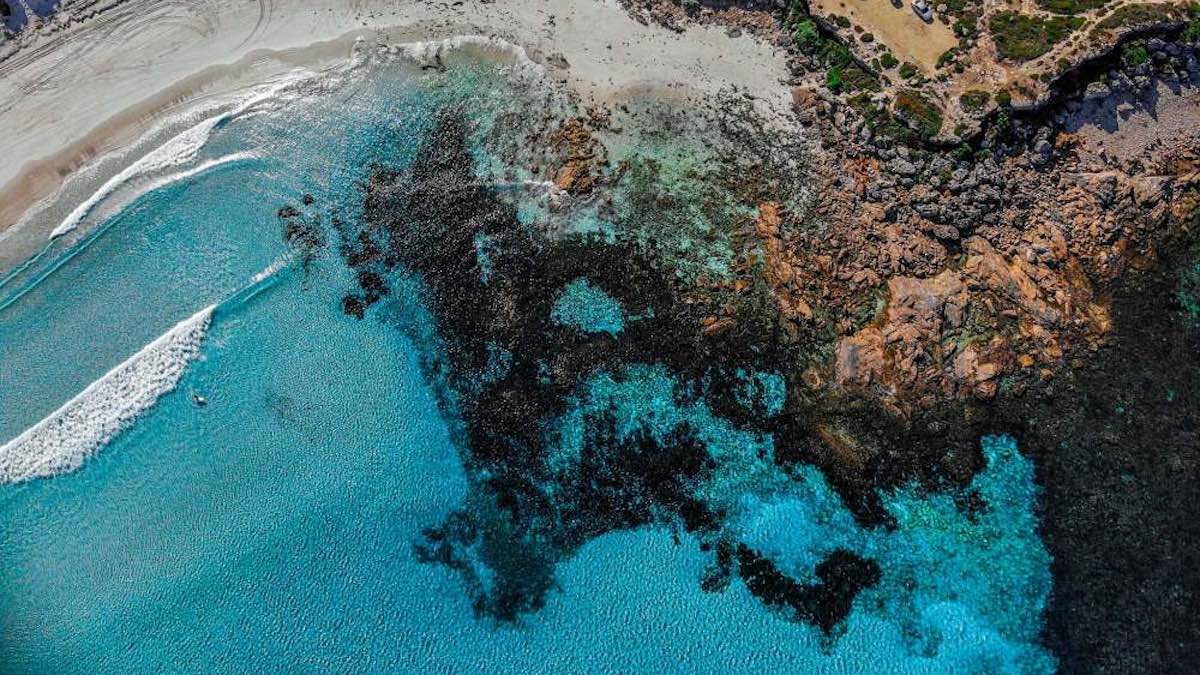
Pictured: Whalers Way Port Lincoln by Gail Caviedes
South Australia’s regional landscapes are set to receive a major environmental boost, with $3.84 million in funding announced for 14 new projects aimed at improving biodiversity, protecting waterways and helping communities adapt to climate change.
The funding comes through the Landscape Priorities Fund (LPF), which uses a portion of Green Adelaide’s metropolitan landscape levies to support large-scale environmental projects across regional South Australia.
Now entering its sixth year, the program has invested more than $32 million into natural resource management initiatives, with the latest round placing a strong focus on climate resilience.
More than half of this year’s funding, totalling $2.1 million, will support projects designed to build nature-based resilience to climate change. These initiatives include restoring native habitats, improving water quality, protecting threatened species, strengthening partnerships with Traditional Owners and tackling invasive pest plants and animals.
“The breadth of work that SA’s landscape boards undertake is vast, and this is matched by the possibilities of the Landscape Priorities Fund,” shared Minister for Climate, Environment and Water Emily Bourke. “Grants can be applied to a variety of projects, making a big difference exactly where it is needed.”
Among the projects receiving funding are native flora and fauna monitoring across the Alinytjara Wiluṟara region in the state’s far north-west, restoration of native flat oyster reefs on Eyre Peninsula and trials to improve paddock tree restoration in the Murraylands and Riverland.
Water health also features prominently, with projects aimed at improving vegetation along Kangaroo Island waterways, investigating water-use efficiency across the Lower Limestone Coast and monitoring the health of springs in the SA Arid Lands region.
Education and cultural stewardship will also benefit, with funding supporting natural resource management programs for Kangaroo Island students and strengthening partnerships with Traditional Owners in the Alinytjara Wiluṟara region through culturally led approaches to caring for Country.
Managing invasive species remains another key priority. Around Mount Remarkable and the Southern Flinders Ranges, strategic control of buffel grass and feral herbivores will help improve landscape health and strengthen resilience during periods of drought and climate variability.
Elsewhere, the Eyre Peninsula Landscape Board will coordinate pest control efforts targeting rabbits, foxes and wild dogs to protect native ecosystems and agricultural land, while Kangaroo Island will use advanced mapping technology to tackle 15 priority weed species.
The SA Arid Lands Landscape Board will focus on controlling pest plants and animals that have flourished following recent drought-breaking rains, while Landscapes Hills and Fleurieu will use funding to manage invasive weeds following the 2026 Deep Creek and Tooperang-Nangkita bushfires to help protect recovering native vegetation and biodiversity.
Green Adelaide Director Brenton Grear said, “The Landscape Priorities Fund plays an important role in supporting coordinated, large-scale efforts to deliver outcomes across the state.These new projects are focused on local needs, yet with a strategic focus on climate adaption.
“Green Adelaide’s investment is helping strengthen the state’s long-term sustainability and recognises that regional areas are valued by metropolitan communities for the food, fibre and other benefits they provide.”
The 14 projects will begin rolling out throughout 2026 as landscape boards work with local communities, landholders and environmental organisations to improve the health and resilience of South Australia’s natural environments.