Broadway actor, author, and California State University, Fullerton professor Josh Grisetti has died by suicide at the age of 44, prompting an outpouring of grief from the theater community and renewing conversations about suicide prevention and mental health awareness.
The news was announced Sunday by actor Rob McClure, Grisetti’s friend and former Something Rotten! co-star, who described the loss as “cataclysmic.“
“I’m not ready to even attempt to understand. My heart is with his wife and family as they try to deal with the reality of this. Some of my all-time favorite memories were by this man’s side, playing his brother onstage for years, watching him inspire students while transforming the Musical Theatre program at Cal State Fullerton, and having the honor of being the Best Man at his wedding,” McClure wrote in an Instagram post.
Fellow Broadway performers, including Sierra Boggess and Lea Salonga, also paid tribute, remembering Grisetti as a gifted actor, writer, director and educator whose kindness and humor touched countless lives.
Grisetti was best known for his Broadway roles in Something Rotten! and It Shoulda Been You, as well as his recurring role as Ralph Emerson in the fifth and final season of The Marvelous Mrs. Maisel. Beyond the stage and screen, he led the Musical Theatre program at California State University, Fullerton, where he mentored aspiring performers.
His death has brought renewed attention to suicide as a major public health concern. Health experts emphasize that suicide is a complex issue with no single cause and is often influenced by a combination of mental health conditions, life stressors, physical health, social factors, and other circumstances.
While it is not always possible to know what someone is experiencing, recognizing warning signs and encouraging early intervention can help connect people in crisis with the support they need.
Suicide Is Complex and Rarely Caused by One Thing
Mental health experts emphasize that suicide is a complex public health issue with no single cause. Rather than resulting from one event or circumstance, it typically reflects a combination of biological, psychological, social, and environmental factors.
According to the Centers for Disease Control and Prevention, risk factors may include mental health conditions such as depression or bipolar disorder, substance use disorders, a history of trauma, chronic pain, significant life stressors, financial or relationship difficulties, and previous suicide attempts.
However, having one or more risk factors does not mean someone will attempt suicide, and many people experiencing these challenges recover with appropriate treatment and support.
Warning Signs Loved Ones Shouldn’t Ignore
Mental health crises are not always visible, but experts say certain changes in behavior may signal that someone is struggling.
Institutions encourage people to pay attention to warning signs such as:
- Talking about feeling hopeless or being a burden.
- Withdrawing from family, friends, or activities they once enjoyed.
- Noticeable changes in mood, sleep, or appetite.
- Increased use of alcohol or drugs.
- Giving away valued possessions or saying goodbye in unusual ways.
- Expressing feelings that life has no purpose.
Experts stress that not everyone displays obvious warning signs, underscoring the importance of maintaining open conversations about mental health.
Early Support Can Make a Difference
One of the strongest protective factors against suicide is timely access to support.
Research shows that connecting with trusted family members, friends, mental health professionals, or community resources can reduce suicide risk. Effective treatment may include psychotherapy, medication when appropriate, crisis intervention, and ongoing social support.
Reducing stigma also plays a key role. Many people delay seeking help because they fear judgment or believe they should handle emotional struggles on their own. Public health experts encourage treating mental health concerns with the same urgency and compassion as physical illnesses.
Remembering the Person Beyond the Tragedy
Throughout his career, Grisetti built a reputation as both an accomplished performer and a dedicated educator. In addition to his Broadway and television work, he taught acting and musical theater at several Southern California colleges and authored the book God in My Head.
His death is a painful reminder that mental health challenges can affect anyone, regardless of professional success or public visibility. Experts hope conversations sparked by tragedies like this can encourage more people to recognize signs of distress, check in with loved ones and seek help early when it is needed.
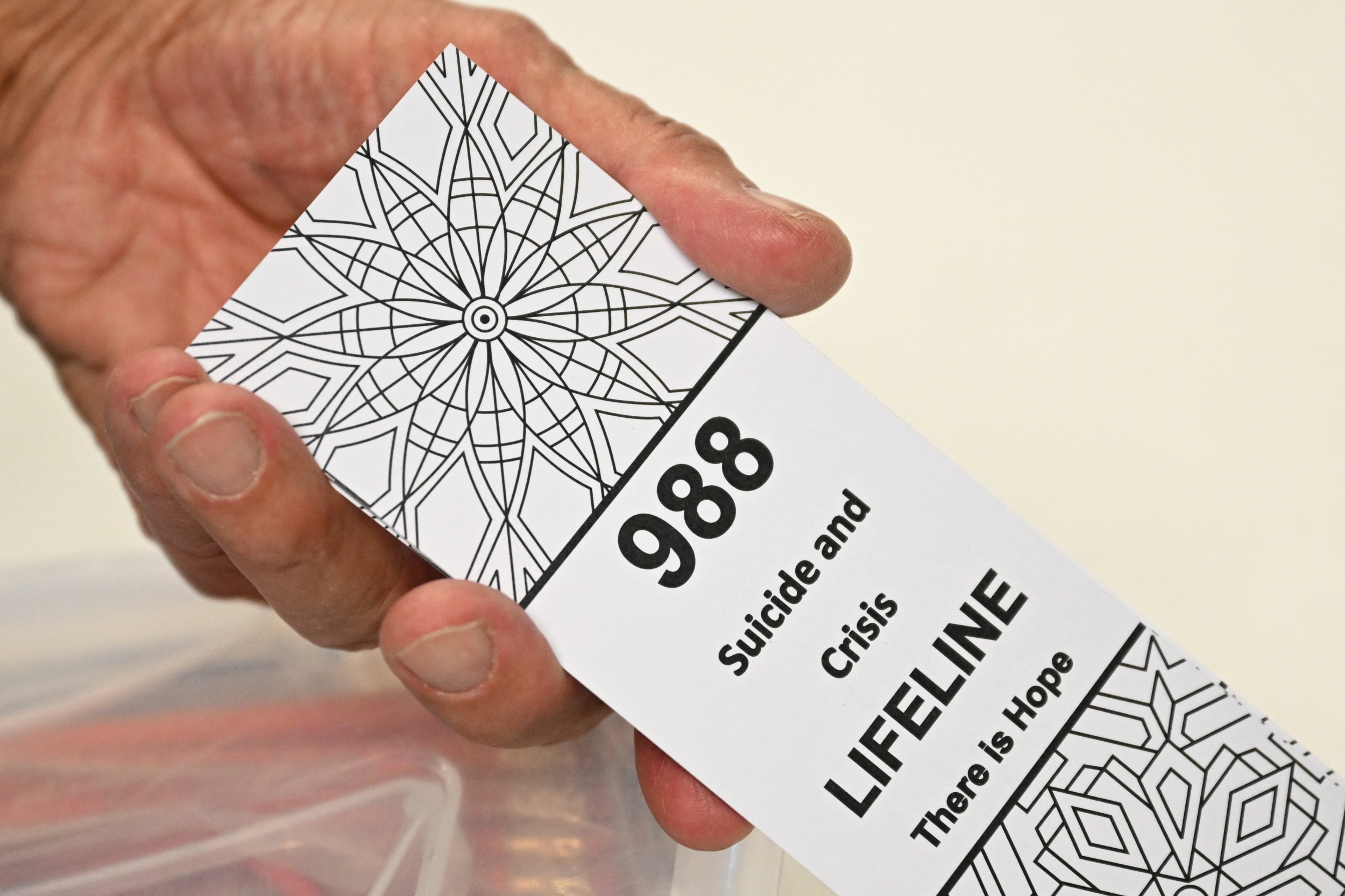
If you or someone you know is struggling or having thoughts of suicide, help is available. In the United States, call or text 988 to reach the Suicide & Crisis Lifeline. If you are outside the U.S., contact your local crisis service or emergency medical services.