Kabul, in turn, has previously accused Islamabad of carrying out unprovoked attacks in which civilians were killed – though Pakistan says it only targets militants.
The two countries had agreed to a ceasefire last October following weeks of deadly clashes. As with past internationally-mediated truce deals, however, that ceasefire has since fallen apart.
The BBC has not independently confirmed the casualty figures claimed by the Pakistani and Taliban governments in the latest attacks.
Afghanistan’s Taliban government says the strikes hit civilian homes, while Pakistan says they were targeted at militant hideouts in Afghanistan’s Paktia, Paktika and Kunar provinces.
Casualties were concentrated in Mandikhel, a village in the Paktika province, Taliban officials say.
The attacks on Sunday come a day after three members of the Sindh Rangers, a Pakistani paramilitary force, were killed at their headquarters in Karachi, according to Pakistan’s military. Three militants also died in the suicide attack, and Pakistani officials said they had arrested a fourth, who was an Afghan.
Jamaat-ul-Ahrar, a splinter faction of the TTP, claimed responsibility for Saturday’s attack.
Both the TTP – also known as the Pakistan Taliban – and Jamaat-ul-Ahrar are banned in Pakistan, and by the United Nations, because of their involvement in past attacks.
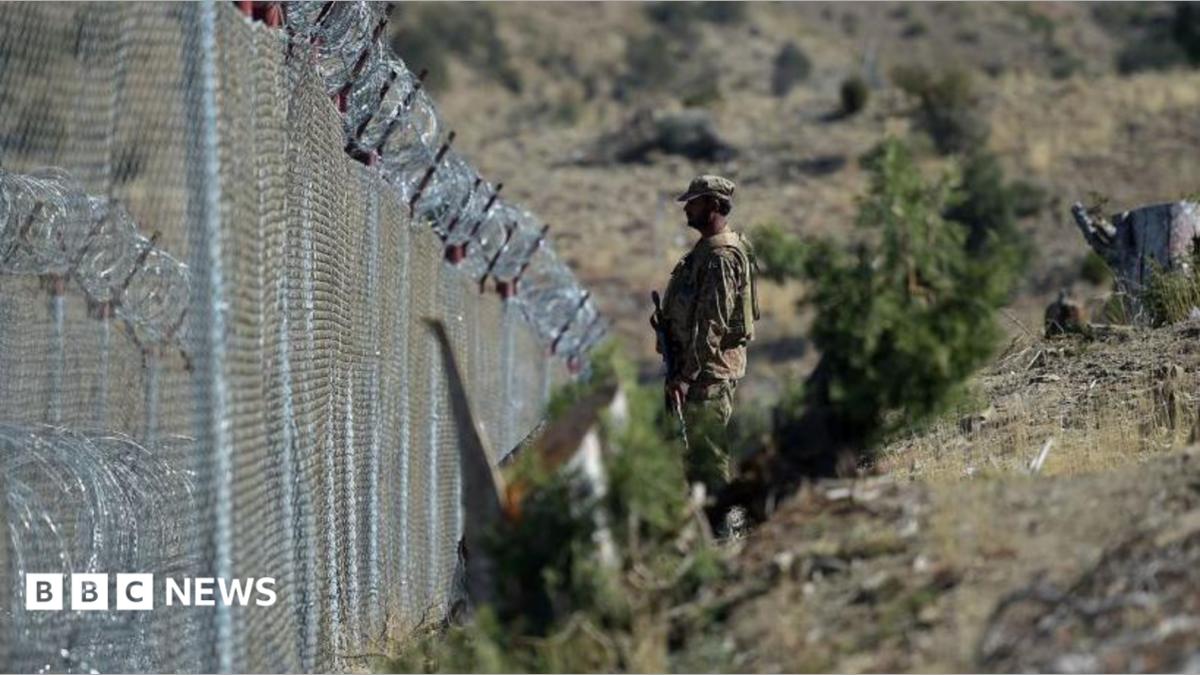
Intermittent border clashes and airstrikes in the border area have killed dozens of people in recent months, according to officials in both countries.
In February, clashes between the two countries left dozens of people dead. In March, a Pakistani strike on a drug rehabilitation centre in Kabul killed hundreds.
Earlier in June, Pakistan launched deadly air strikes that killed 26 militants. Afghanistan’s Taliban government said 13 people, mostly children, were also killed in the strikes.