How To
John Paul, AAA Northeast’s Car Doctor, hears from a reader who would prefer to have routine maintenance on their new car done by a longtime trusted mechanic.
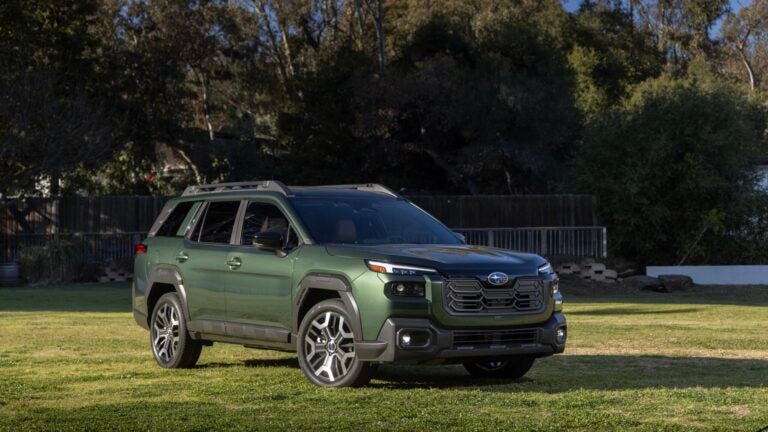
The Car Doctor hears from a reader who would prefer to have routine maintenance on their new car done by a longtime trusted mechanic. Subaru
Q. I recently leased a new 2026 Subaru Outback, which is the best car I have owned to date. I would like your thoughts on getting my first oil change from the dealer, as they of course would like. Can I have my longtime, licensed mechanic do it? I have been using him for many years. The dealer implied it was necessary to go to a Subaru dealer for service while under warranty. Any reason I should go to the Subaru dealer?
A. Going to the dealer for maintenance does have some advantages, such as familiarity with the vehicle, use of factory parts, and checking for any open recalls or software updates. That said, you are not required to return to the dealer for routine maintenance to maintain your warranty. You can have your trusted repair shop perform the service – as long as the correct oil specification and a quality filter are used, and you keep records of the work performed, including date and mileage. One note: many newer Subaru engines require specific oil standards (often a synthetic 0W-20 meeting Subaru specifications), so it’s important your shop follows those requirements.
Q. Due to my age, my wrench-turning days are over, but I still enjoy reading about cars, so I enjoy your column every week. My question is about a fluttering noise under my car at 55 mph or higher. I bought this 2022 Chevrolet Tahoe with 25,000 miles and noticed the noise right away. My mechanic said it was from a flexible shield under my car that vibrates from the air passing at higher speeds, and he said it was normal. I am concerned it may come loose at some point and pose a safety risk. Have you heard of this? Is there any cause for concern?
A. Since you purchased the vehicle used, the history isn’t fully known. There are a number of underbody components that could cause this type of noise, including heat shields, aerodynamic panels, or insulation mats. While some light movement from airflow can occur, these components should not create noticeable noise when properly secured. It’s possible something is loose or was not reinstalled correctly after prior service. I would recommend putting the vehicle on a lift and having all shields and panels inspected for proper mounting. Loose fasteners can often be corrected easily, and in some cases additional retainers or clips may be needed. I would avoid temporary fixes like zip-ties unless used as a short-term diagnostic solution.
Q. I know it seems like electric cars are losing favor even with high gas prices, but I am still considering one. I looked at the Cadillac and Mercedes EVs, but they didn’t do it for me. What do you think of Lucid cars? I know they are expensive. Would you buy one?
A. The Lucid Air, particularly in its higher-performance versions, is an impressive vehicle with exceptional range, performance, and interior quality. From a driving and engineering standpoint, it competes well with established luxury brands. That said, my hesitation would not be about the car itself, but the company. As with many startup automakers, long-term financial stability is still a concern. Production volume remains relatively low, and while the technology is strong, the business side is still evolving. We’ve seen other startups struggle or fail in recent years. If you are comfortable with that risk and plan to lease or not keep the vehicle long term, it may be worth considering. For long-term ownership, it’s something to weigh carefully.
Q. I have a problem with my 1977 Dodge Aspen. It has an automatic transmission and a 318 cubic inch engine. The problem is it has an oil leak that I cannot find. I am pretty sure it is not coming from the rear main. When I take it out on the highway, then park it in the garage, the next day I find a puddle of about 1 to 1.5 ounces of engine oil. Yet if I let it idle in the driveway for a half hour, there is no leak. Any thoughts on what the issue could be?
A. There are a couple of good ways to track this down. One is to add a UV dye to the engine oil, drive the vehicle, and then inspect it with an ultraviolet light to pinpoint the source. A more traditional method is to clean the area and use foot powder or developer spray (a fast drying aerosol that leaves white powder coating) to trace the leak path after a drive. Based on your description, this could still be related to the rear main seal, as leaks often appear after higher-speed driving when oil pressure and crankcase pressure increase. It could also be coming from higher up—such as valve cover gaskets or the intake manifold—and working its way back. Before diving into major repairs, I would replace the PCV valve (cheap and easy) and check the hoses and breather system. A restricted PCV system can increase crankcase pressure and force oil past seals and gaskets.
Q. What is the purpose of these plastic engine covers on new cars? I like seeing the engine rather than a plastic cover, but it seems like every engine has one.
A. Engine covers serve several purposes. One of the primary benefits is noise reduction—they help dampen mechanical engine sounds. They can also help manage airflow under the hood and improve the overall appearance of the engine compartment. In some designs, they may provide minor thermal insulation or contribute to pedestrian safety by softening hard components under the hood. One word of caution: if you store a vehicle for an extended period, it’s not a bad idea to occasionally check under the cover, as they can sometimes become a nesting spot for rodents.
John Paul is AAA Northeast’s Car Doctor. He has over 40 years of experience in the automotive business and is an ASE-certified master technician. E-mail your Car Doctor question to [email protected]. Listen to the Car Doctor Podcast on Apple Podcasts or other popular podcast sites.
Sign up for the Today newsletter
Get everything you need to know to start your day, delivered right to your inbox every morning.