4 min readMay 12, 2026 06:30 AM IST
First published on: May 12, 2026 at 06:30 AM IST
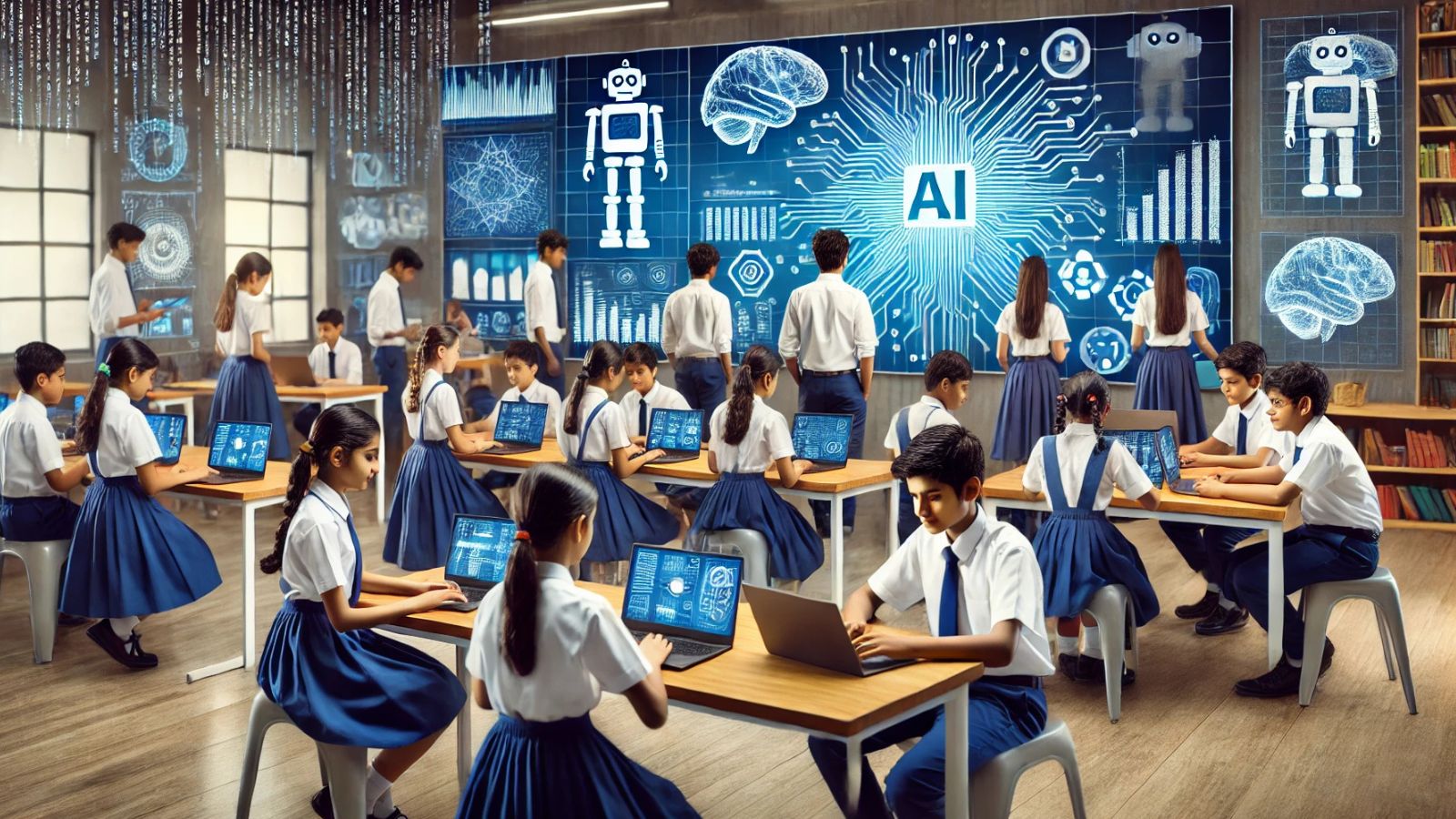
On April 1, the Union Education Minister launched the new CBSE curriculum on computational thinking and artificial intelligence for students of Classes III to VIII. The rollout is among the most ambitious school AI programmes anywhere in the world. There is no plan, however, for how those children will use AI. Consider the chatbot on a child’s phone at nine in the evening, sitting beside a half-finished assignment. No syllabus reaches that.
A recent study by the Salaam Bombay Foundation and NMIMS surveyed 1,050 Class IX students across 20 Mumbai municipal schools. More than 70 per cent reported using ChatGPT, mostly for maths problems, translations, and homework. The study also found early signs of cognitive offloading: Letting a tool do our mental tasks. We all do this; the worry is when a child does it before learning how to think. In a 2025 study, researchers from the University of Pennsylvania’s Wharton School tracked nearly 1,000 Turkish high-school maths students who were given AI tools during practice. They found that those given unrestricted AI access scored 48 per cent better than peers who studied without it. But when AI was withdrawn, those who had used it did 17 per cent worse than peers who had never used it.
The case against AI in education is narrower than these numbers suggest. A college student of mine struggles with English. He uses AI to re-explain the class notes in the language he thinks in. The same tool that hollows out one student’s learning can open another’s. Which way it goes depends on the student’s judgement. No policy can teach that. Whether a child reaches for the chatbot to understand or to outsource depends on what the school demands and what the household rewards. The former is outside a parent’s control. The latter is not. If the expectation at home is highest-marks-in-every-subject, an overloaded child will likely search for shortcuts. Schools that reward high marks share the blame. But parents have a larger stake in how their children turn out, and must move first. What does that mean in practice?
Take the child into confidence. The cost of letting the chatbot do their thinking is real, and most children can absorb this if an adult explains it. They would love to think for themselves; they outsource because, in the moment, the alternative is harder. Then recalibrate. When your child reports a mark, ask how they got it. If the work was their own, praise it and let the mark be whatever it is. If the work was the chatbot’s, say so, and withhold praise. None of this works without your own AI literacy. The point is not catching the chatbot in your child’s homework but knowing these tools well enough to ask sharp questions about their process.
The new curriculum will teach Indian children how AI works. Knowing when to set the chatbot aside is a lesson the school cannot give. That lesson is given at home, in a hundred small conversations about what learning is, and what is beneficial in the long run. The parent who asks the child, after every assignment, to explain the work back, or try it once with the screen closed, is giving them something AI cannot: The slow muscle of working things out, and the joy of arriving there themselves.
The writer is chair, AI committee, and professor of Biology, IISER Pune. Views are personal