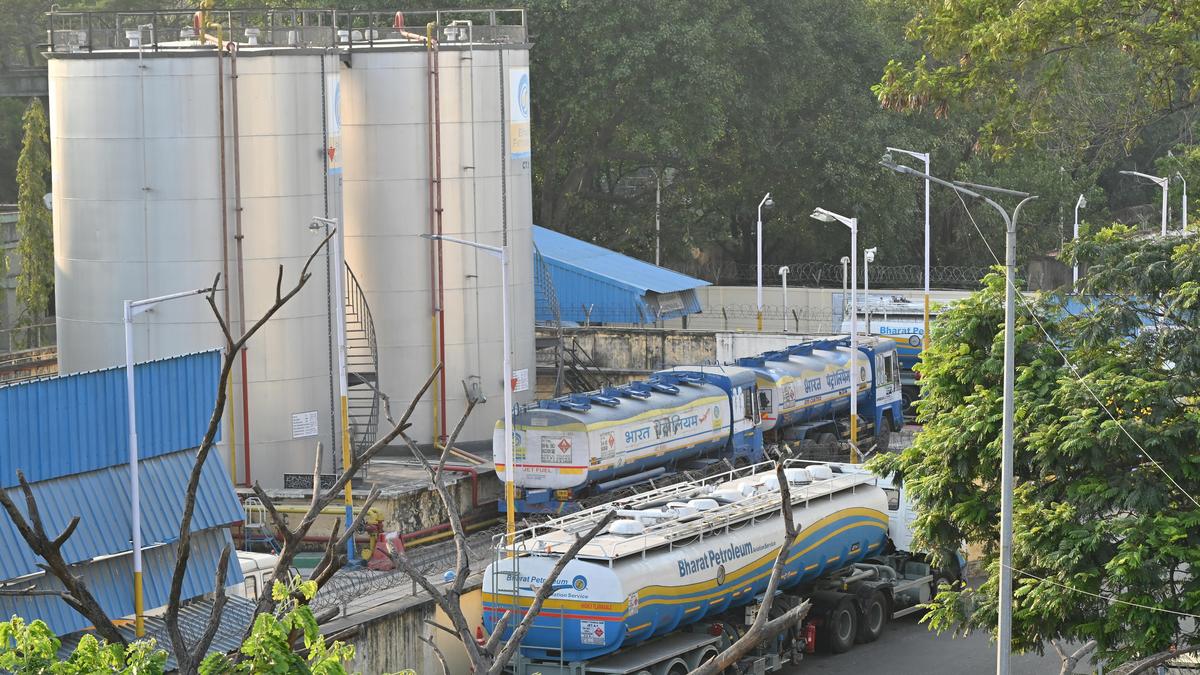
As fuel prices continue to stay high and global supply remains unpredictable, Australia’s electric vehicle (EV) industry is calling for urgent action, warning that the country’s reliance on imported fuel is leaving households and businesses exposed.
In a joint statement, key players across the EV and energy sectors say recurring fuel shocks are more than just a transport issue. They point to a broader challenge around energy security, cost of living, and long-term economic resilience, and argue that accelerating the shift to electric vehicles is a critical part of the solution.
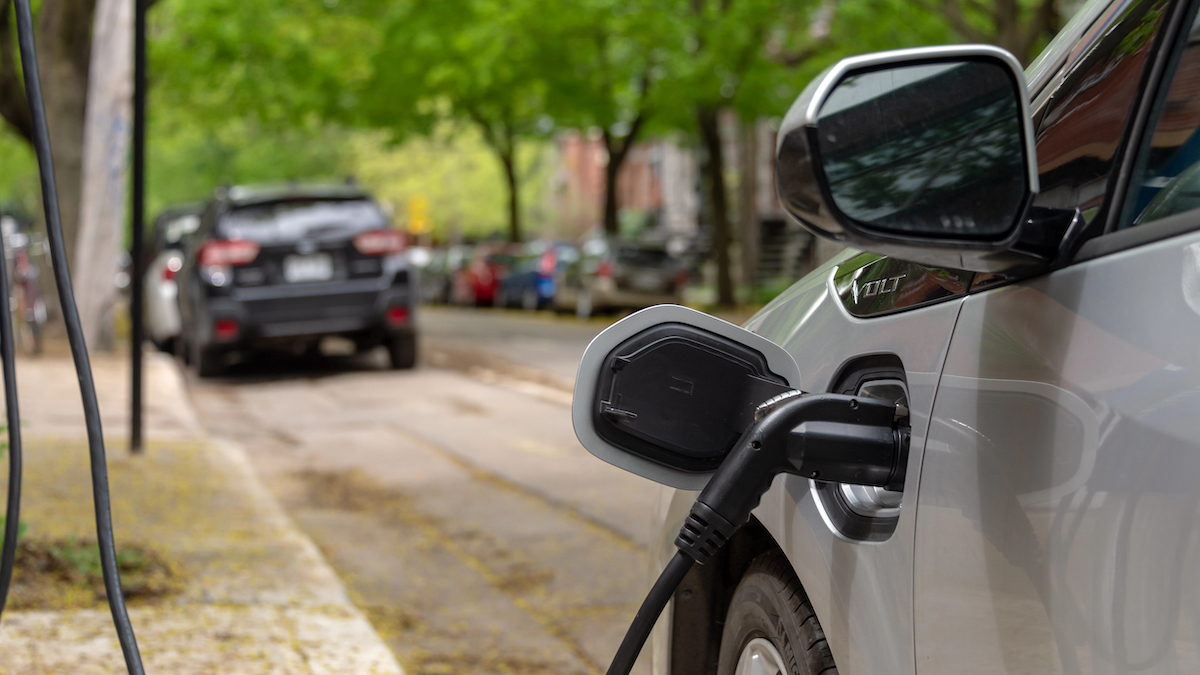
At the centre of the push is a commitment from industry to invest heavily in public EV charging infrastructure, with billions of dollars in private investment ready to be deployed by 2030 under the right policy settings.
Companies including AGL, Evie Networks and Tesla, alongside organisations like the Clean Energy Council and Smart Energy Council, say they’re ready to scale up infrastructure across cities, suburbs, regional areas and major highways.
The goal is to create a reliable, accessible and affordable charging network that supports the rapid uptake of EVs, and reduces Australia’s dependence on global oil markets.
“EVs are the next frontier for Australians wanting to take control of their cost of living, now that we have shown the world what gets people investing in rooftop solar and batteries,” shared Stephanie Bashir, CEO of Nexa Advisory. “To make that a real possibility for everyone, charging infrastructure has to roll out – everywhere, fast.”
The industry says demand is already there. “Evie has invested over $100 million in public charging across Australia,” said Chris Mills, CEO Evie Networks. “With BEV numbers up 40% year on year and usage on our network surging, Australia needs significantly more charging infrastructure of all types. A thriving competitive market is essential to deliver the infrastructure and service that Consumers need. Evie is ready to continue investing at scale, provided policy and regulatory settings address the current barriers to deployment and support fair competition.”
But while the private sector is ready to build, stakeholders say significant barriers remain, particularly around grid connections, regulation and market structure.
One of the key concerns is making sure a competitive market, rather than allowing monopoly electricity network providers to dominate EV charging infrastructure.
“The industry that this would take stands ready to make it happen,” said Stephanie. “The government has to do its part. That is about policy, not dollars. It’s about political will and budgets. Bottom line – private sector investment will come if competition is enabled and protected. Innovation at speed and scale is not a place for lumbering monopolies or political interference and vested interests.”
Industry leaders are calling on governments at all levels to take a coordinated, partnership-led approach, working with councils, regulators and energy networks to streamline approvals, improve planning, and fix bottlenecks slowing down infrastructure rollout.
Among the biggest challenges flagged are delays in grid connections, in some cases stretching up to two years, along with inconsistent costs and a lack of transparency around network capacity.
David McElrea, Chief Advocacy Officer, Smart Energy Council, said, “Right now, the biggest barrier to rolling out EV charging at scale isn’t demand or technology — it’s the basic plumbing of the system. We’re seeing wildly inconsistent connection costs and delays of up to two years, which is holding back investment that’s ready to go. If we fix connections, tariffs and pricing signals, private capital will do the heavy lifting — delivering charging faster and at lower cost to taxpayers and energy consumers.”
The call to action follows recent moves by state governments, with Victoria committing to removing barriers for private investment and New South Wales releasing its latest EV strategy.
Industry leaders say these are positive steps, but stress that a nationally aligned approach is needed to ensure infrastructure is rolled out efficiently, including in regional and remote areas.
For consumers, the shift could offer a pathway away from rising fuel costs, similar to how rooftop solar has helped households reduce energy bills.
But experts warn that EV adoption will only accelerate if charging infrastructure keeps pace.
“The Clean Energy Council supports the EV charging industry and is calling on governments to adopt nationally clear policies that make it easier to build and expand charging networks,” shared Jackie Trad, CEO Clean Energy Council. “Reliable, widely available charging gives people the confidence to purchase electric vehicles, helping Australians make the switch. Support for the charging industry will drive investment, create jobs, support local energy use and improves the nation’s resilience to withstand global fuel supply disruptions”.
With the private sector ready to invest and demand continuing to grow, the message from industry is clear, the fuel crisis should be a catalyst for change, not a recurring problem.
If the right policy settings are put in place, Australia has the opportunity to build a world-class EV charging network quickly, competitively, and at lower cost to consumers.