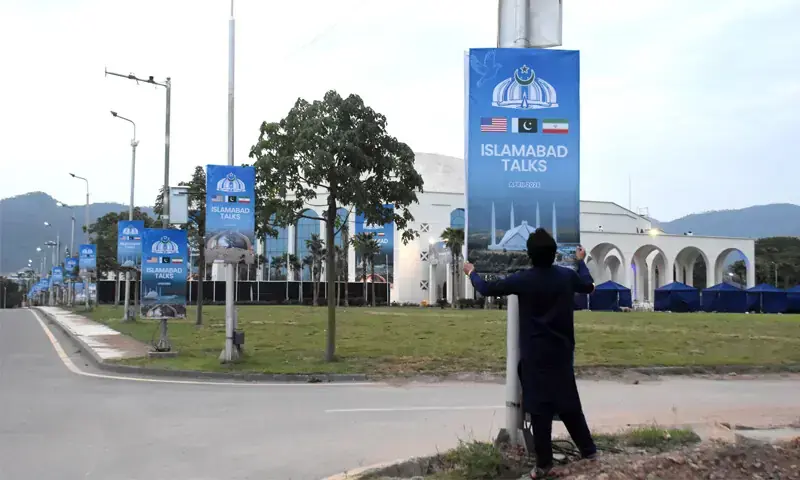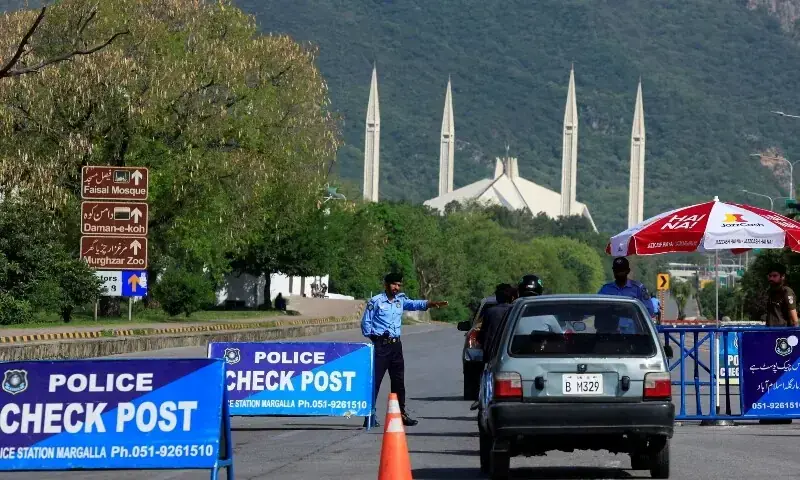
Islamabad’s Red Zone was closed for traffic as the capital braces to welcome foreign delegations, police said on Sunday, with alternate traffic plans issued to facilitate citizens.
“Due to the arrival of foreign delegations in Islamabad, Red Zone and Extended Red Zone will remain completely closed for all kinds of traffic,” the police said in a statement on X.
The alternative traffic plans will remain in place from today until further directives, they said.
Public and heavy transport are also suspended in Islamabad until further orders, Deputy Commissioner (DC) Irfan Nawaz Memon said.
The Rawalpindi district administration also suspended all public and goods transport from Sunday noon till the next directives.
While the police statement did not specify which delegations are expected, the move comes as Islamabad gears up for a possible second round of negotiations between the United States and Iran.
However, no dates have officially been confirmed for the talks as yet.
Advance teams have also started arriving in Islamabad, sources told Dawn. The teams landed at the Nur Khan Airbase, they said.
Earlier, sources close to the security arrangements told Dawn that the teams would also put in place security measures for VVIPs in close coordination with the local authorities, including security forces.
The Islamabad police and administration have asked the management of hotels, hostels, inns and guest houses to close their premises and lock their buildings until further orders.
Security was on high alert in Rawalpindi on Saturday, with the deployment of over 10,000 police personnel.
As many as 400 elite commandos, including 100 snipers, will be part of the multi-layered security during the arrival and departure of the foreign delegations.
About 7,000 personnel of the Islamabad police and 4,000 of the Punjab police, along with 900 Federal Constabulary personnel, are available for security duty in the capital.
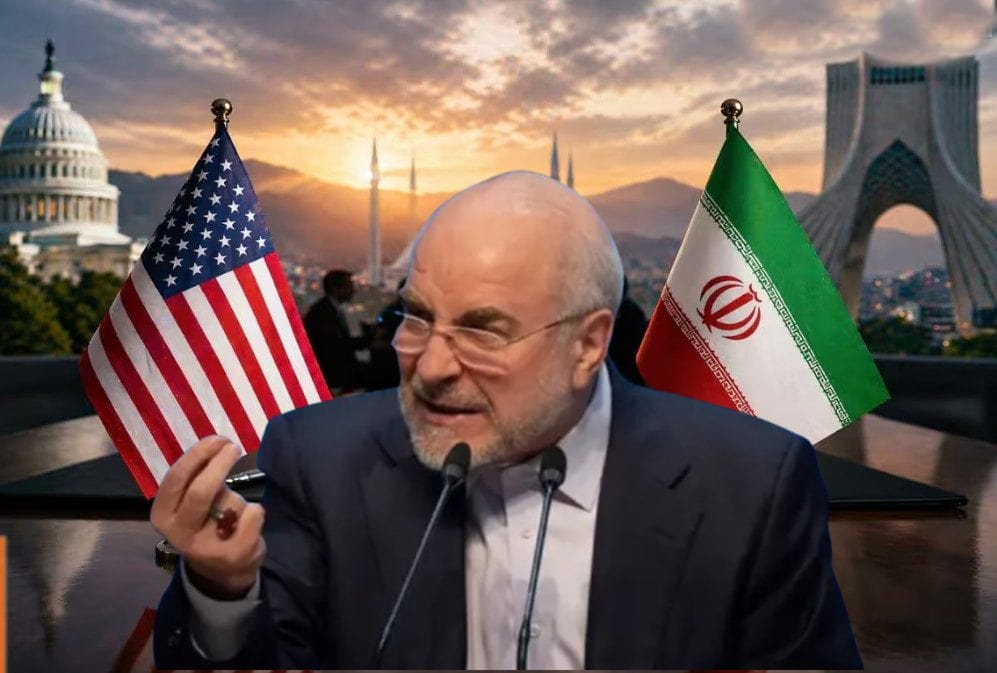
Earlier on Sunday, in a televised address, Iran’s top negotiator Mohammad Bagher Ghalibaf said there had been “progress” with Washington but signalled that a final peace deal was “far”.
Historic direct US-Iran talks held in Islamabad on April 11 and 12 had ended without an agreement, but also without a breakdown.
US President Donald Trump expressed optimism about the talks days ago, but Washington and Tehran remain in a stand-off over the closure of the Strait of Hormuz.
Iran again closed the strait on Saturday, saying it would not reopen the maritime trade route until the US ended its blockade of Iranian ports.
This is a developing story that is being updated as the situation evolves. Initial reports in the media can sometimes be inaccurate. We will strive to ensure timeliness and accuracy by relying on credible sources, such as concerned, qualified authorities and our staff reporters.