In the tiny sultanate of Brunei Darussalam, insulting the prophet Mohammed attracts the death penalty.
Similarly, until a temporary moratorium – which could be revoked at any time – gay people can be tried, convicted and sentenced to death by stoning.
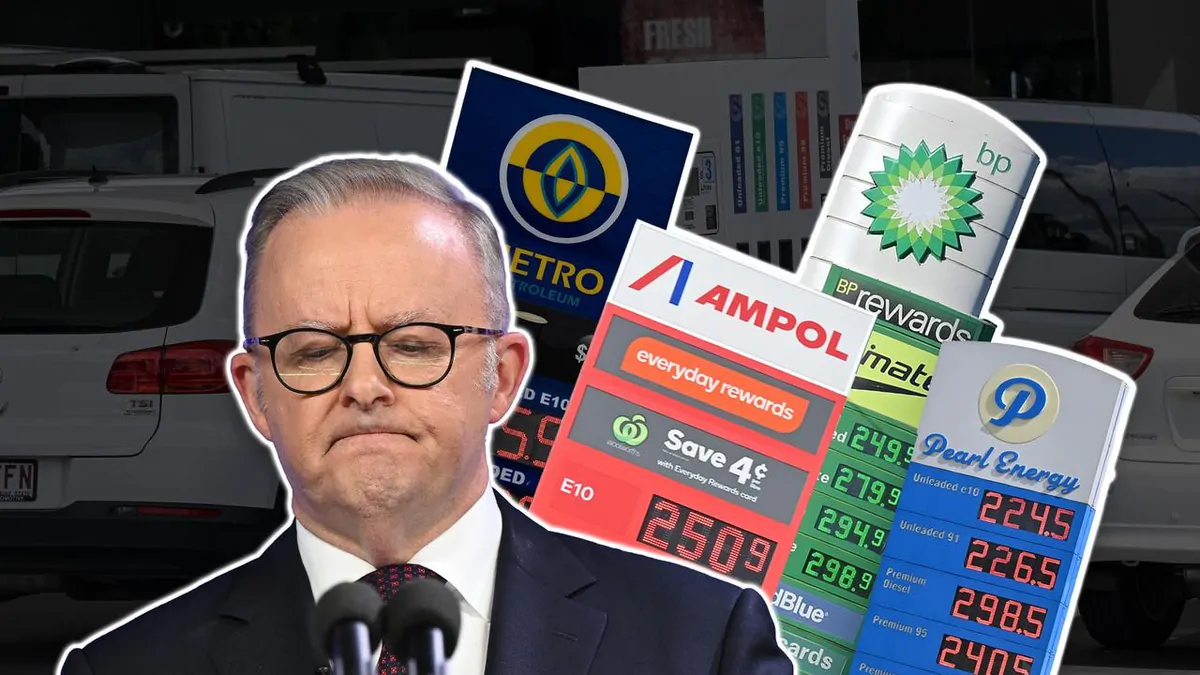
But when Anthony Albanese stepped off his VIP jet in the sweltering tropical humidity, residue from the red carpet leaving marks on his delegation’s shoes, he had one goal: to get more fuel for Australia.
Sign up to The Nightly’s newsletters.
Get the first look at the digital newspaper, curated daily stories and breaking headlines delivered to your inbox.
By continuing you agree to our Terms and Privacy Policy.
Asked about Brunei’s checkered record – which also includes caning and cutting off convicted thieves’ hands and feet – the prime minister bristled, arguing Australia speaks up on human rights in international forums.
“What we discussed today was the fuel needs and security needs of Australia,” he told reporters inside the Australian high commission in Bandar Seri Begawan.
Even asking about stoning is dicey – showing contempt for or insulting the Sultan or Sharia law outside the diplomatic post’s protection is a crime.
But the global scramble for fuel appears to override such moral qualms.
Brunei supplies about 11 per cent of Australia’s crude oil and 9 per cent of its diesel – figures Mr Albanese is hoping to increase.
Shortly after meeting Sultan Haji Hassanal Bolkiah, he announced another 100 million litres of diesel were on their way to Australia from Brunei and Malaysia – about a day’s worth of supply.
They were the first of many more boats to come, the prime minister said.
In addition, the government has secured an extra 250,000 tonnes of fertiliser – also in shortage – from Indonesia.
Privately, senior Labor figures argue these deals wouldn’t have happened without strong personal relationships between Mr Albanese and his regional counterparts.
After his visit to Brunei’s ornate royal palace – decked out in Trumpian amounts of gold, gems and precious artefacts – Mr Albanese flew to Malaysia, touching down in Kuala Lumpur as a deluge of rain was clearing.
More squalls would roll through during his 24 hours in the city, choking roads and grinding traffic to a standstill.
Here, Mr Albanese’s counterpart Anwar Ibrahim is facing storms of a different kind.
Malaysia is Australia’s largest supplier of crude oil and third-largest supplier of refined fuels including petrol and diesel, but it relies heavily on imports from the Middle East.
Asked what guarantees he could give to Malaysia’s downstream customers, Mr Anwar conceded while his priority was keeping fuel for domestic use, it was important to continue sending supplies to countries like Australia.
“Once the domestic requirements are met, there is clearly some excess. And we’ve given an assurance that the priority will be to Australia” he told reporters after meeting with Mr Albanese in Kuala Lumpur.
“We import… LNG from Australia and they have assured of us of this supply,” he said.
“So we have to also then to ensure that (Australia’s) requirements beyond what we can make available will be equally honoured.”
This was a point of some contention among political parties in Malaysia, Mr Anwar added.
Malaysia’s imports of Russian oil – currently sanctioned because of the war in Ukraine – are similarly controversial in the global community.
And then there’s Australia’s own fuel situation – made more perilous by the blaze that broke out on Wednesday night at one of the nation’s last remaining refineries, almost halving the facility’s petrol production.
The Viva Energy plant in Geelong would have its petrol production capacity cut to around 60 per cent, and its diesel and jet fuel capacity to 80 per cent, Mr Albanese said after cutting his Malaysia visit short to visit the site.
While Australia can afford to pay top dollar to source fuel from around the world, other countries are less fortunate, Herbert Smith Freehills head of energy Anthony Patten says.
“There’s definitely concern in the Philippines around continued access to fuel, and similarly, I think in Thailand as well,” he told AAP on the phone from Japan.
“I’m hoping it doesn’t turn into that sort of regional survival of the fittest.”
When he strode up the red carpet onto his military jet, Mr Albanese may have left Malaysia’s tropical humidity and careful geopolitics behind.
But if the Iran war keeps grinding on, the compromises he’ll be forced to make are only just beginning.