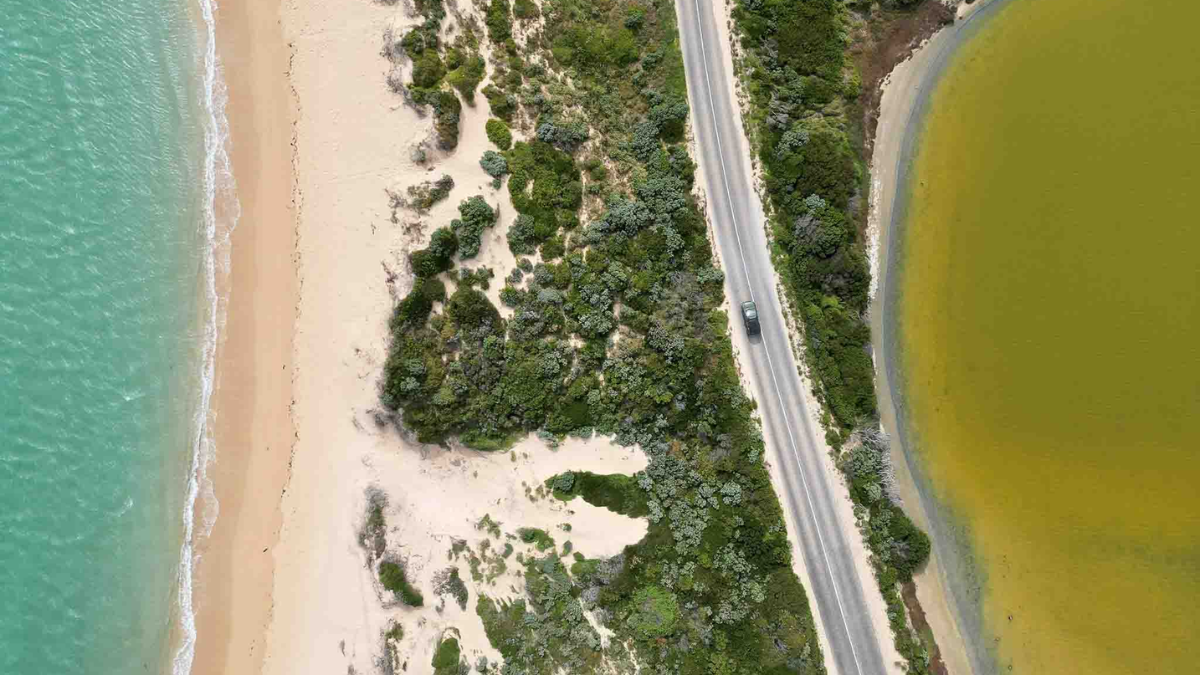
Image: Beachport via @leonandlaratravels
South Australians are being urged not to shelve their road trips, regional escapes or school holiday getaways, with tourism leaders pushing a clear message that fuel is still available across the state and travel plans should stay firmly on the calendar.
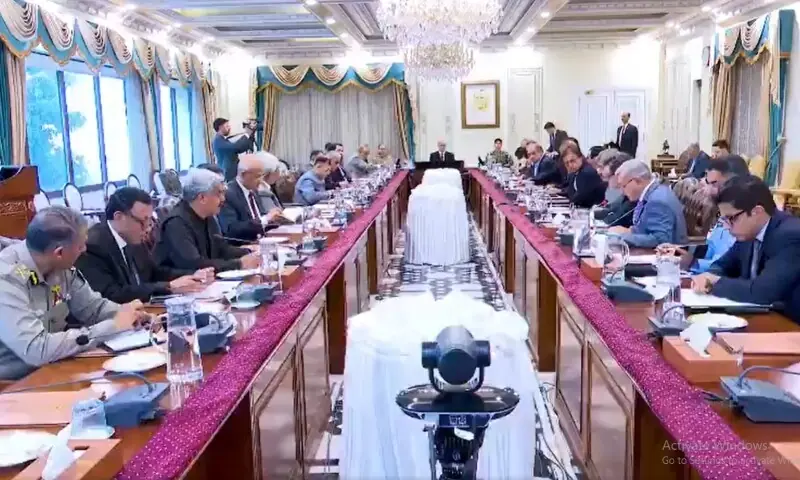
Tourism Minister Emily Bourke, South Australian Tourism Commission CEO Emma Terry and Department for Energy and Mining chief executive Paul Martyn came together for an tourism industry webinar on Wednesday April 8.
The strongest takeaway was that South Australia is not running out of fuel.
Department for Energy and Mining chief executive Paul Martyn said the state currently has more fuel than it did at the same time last year, even as global uncertainty and consumer panic-buying have fuelled concern.
“We continue to have more than 30 days of supply of fuel in this country, and those supplies continue to arrive every day,” he said.
The webinar also heard that the number of service stations without one or more fuel types had dropped to 37 statewide, down from around 70 the previous week.
“So from the supply point of view, the nation continues to receive fuel, the state continues to receive fuel, and our fuel is also imported predominantly from Singapore and Malaysia.”
But why is it that we have seen these shortages?
Fuel is usually supplied in two ways: most service stations get it through regular long-term supply deals, while a smaller number buy it only when they need it.
“What we have seen is that the massively increased demand for both unleaded and diesel has led the fuel companies to move to only supply their contracted suppliers, and the spot market has dried up.”
“So that’s why (we’re) seeing the scramble to get fuel for some of those particularly small local stations, and many tourism operators are probably operating outside of the metro area and may have experienced this,” Martyn said.
Managing Director of Adelaide Airport Brenton Cox and tourism minster Emily Bourke. Image: Emily Bourke
Tourism leaders said the conversation now needs to shift from fear to planning. South Australians and interstate visitors are being encouraged to use the RAA fuel app and the state’s fuel information website to map out trips, check availability and compare prices before heading off.
“The RAA app is a really good confidence boost for anyone wanting to travel,” Tourism Minister Emily Bourke said.
Operators were also urged to share those tools directly with guests when confirming bookings, helping turn uncertainty into reassurance before travellers even leave home.
Perception doing more damage than the actual supply situation, is a familiar problem for the tourism industry which has had to bounce back from floods and fire impacts to algal bloom and COVID.
This time, the push is to stop hesitation before it turns into cancellations, particularly for regional destinations that rely on confidence as much as demand.
Recently Ms Bourke said she had travelled through the Flinders Ranges over the break as part of showing people it was still okay to get out and explore.
“It is okay to get out and travel, it’s good getting back to our tourism industry, but there is fuel, and if I’m going to stand with the industry, I’m also going to act and do what we’re talking about as well.”
Right now the national fuel plan in place by the Prime Minister and state premiers is available online.
“It has four stages, and things only get very serious when you get to stage four,” Martyn said.
“What we want is a nationally consistent approach with the same rules across all parts of Australia so everyone can be treated fairly.”
For tourism businesses, the message is clear, keep talking to your customers, keep sharing accurate fuel information and keep encouraging people to follow through with their plans.
In the lead up to Gather Round this weekend, the SATC CEO Emma Terry said the statistics for travellers and tickets sales both local and interstate are stronger than ever.
Ms Terry said SATCs immediate focus is rebuilding traveller confidence by sharing clear fuel information, coordinating feedback between industry and government, and promoting practical tools like the RAA app, fuel bulletins and radio ads.
For more information on fuel support and travel, visit the SATC website and for fuel security visit https://www.fuel.sa.gov.au/.