The Sindh government has announced the launch of an air safari service between Karachi and Mohenjo-Daro, aimed at promoting cultural tourism and highlighting the province’s rich historical heritage.
Officials confirmed that the initiative is part of broader efforts to attract tourists to Sindh. An agreement has been signed between the Sindh Tourism Development Corporation (STDC) and a private aviation company to operate the service.
The agreement was formally signed by STDC Managing Director Fayaz Ali Shah and the CEO of the private firm, Imran Aslam.
The air safari will allow passengers to enjoy scenic aerial views of Karachi’s coastline, mangrove forests, and the diverse landscapes of Sindh, offering a unique travel experience.
“The air safari service is being launched with the support of the Sindh government to promote tourism in the province,” said Fayaz Ali Shah.
About Mohenjo-Daro
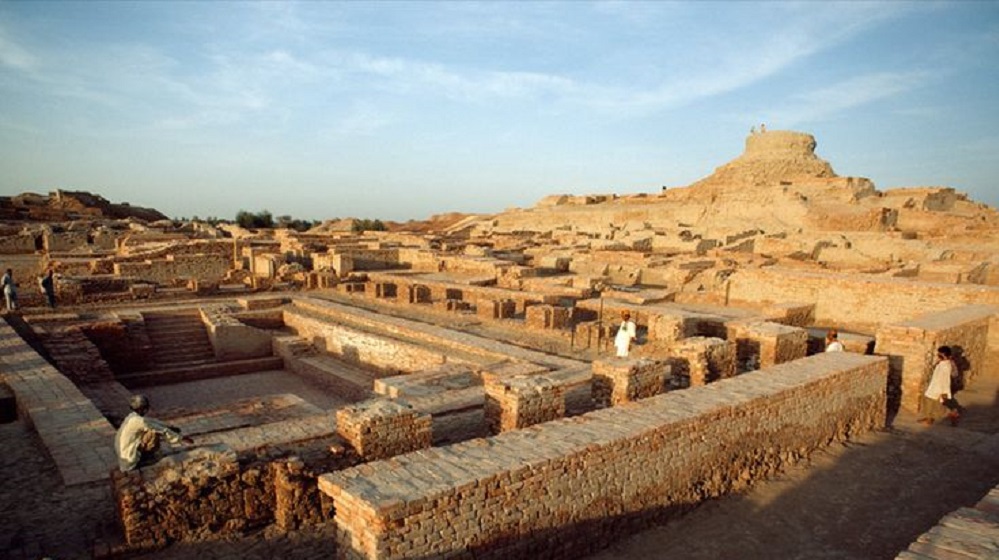
Mohenjo-Daro, located in the Larkana district of Sindh, is one of the world’s earliest major cities, part of the Indus Valley Civilization.
Discovered accidentally by an Indian archaeologist in 1920, its original name remains unknown. The term Mohenjo-Daro translates to “Mound of the Dead Men.”
The ancient city was well-planned, featuring multistoried buildings, a sophisticated waste disposal system, and an 8-foot-deep, 23-foot-wide public bathing pool with surrounding changing rooms.
Bullock carts were used for transport, and residents adorned themselves with jewelry, including upper-arm bangles for women.
Archaeological evidence suggests Mohenjo-Daro was peaceful, with no signs of weapons or ruling monarchs. It likely became deserted due to a change in the Indus River’s course.
Experts warn that without critical preservation efforts, Mohenjo-Daro may face severe corrosion and potential destruction by 2030.
The new air safari aims not only to promote tourism but also to raise awareness of the cultural and historical significance of Mohenjo-Daro, encouraging both domestic and international visitors to explore the heritage of Sindh.