The Iranian strike on the base which is home to Australia’s defence operations in the Middle East marks a significant new phase in our involvement in the conflict.
It reinforces the truth that although the Government is determinedly maintaining that Australia is playing a “defensive” role, we are far from immune from attack.
Prime Minister Anthony Albanese revealed on Wednesday that an Australian accommodation block and medical facility at the Al Minhad airbase in the United Arab Emirates had been damaged in an Iranian missile attack but no personnel were hurt.
Sign up to The Nightly’s newsletters.
Get the first look at the digital newspaper, curated daily stories and breaking headlines delivered to your inbox.
By continuing you agree to our Terms and Privacy Policy.
There are typically up to 80 Australian Defence Force members at Al Minhad, near Dubai, running Headquarters Middle East in support of up to 12 operations across the region.
It was the second strike by Iran on the base since the conflict began on February 28, prompting fears that Australian forces are being targeted because of the assistance sent to the UAE.
The first strike earlier in the war was revealed by The Nightly. Defence Minister Richard Marles only confirmed that report a day later, in response to questions from other media.
On Wednesday Mr Albanese couldn’t say whether Australians were deliberately targeted, reiterating that Iran was conducting “random attacks”.
The strike came just a day after Mr Marles revealed that the Royal Australian Air Force’s E-7A Wedgetail aircraft — which has been sent to the Middle East — is providing valuable data to a US-run military operation centre co-ordinating strikes against Iran.
Mr Marles insists the aircraft is operating in a “defensive capacity”.
But the Government has declined to send a vessel to help the US get precious oil supplies moving by protecting shipping from Iranian attack in the Strait of Hormuz.
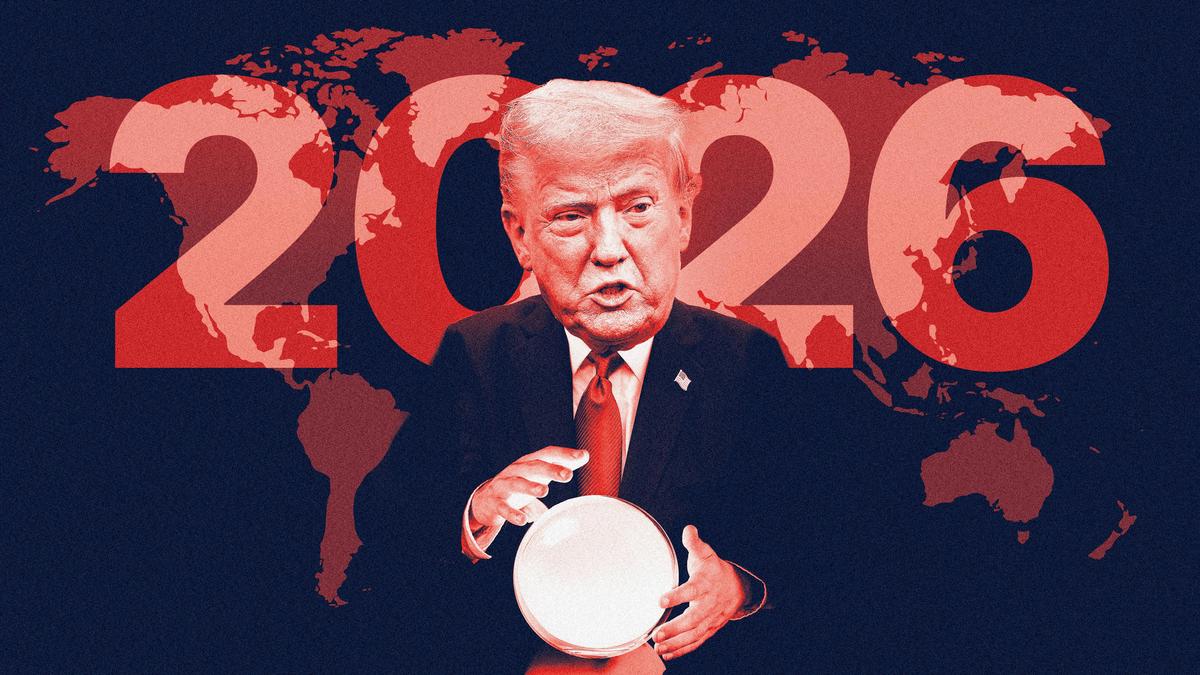
On Wednesday morning Mr Trump lashed out at US allies, including Australia, for not sending military support.
The outburst highlights again the information vacuum around US requests.
Last week, as it announced it would send the Wedgetail, the Government said on repeat it was in response to a request from the UAE, and threw in almost as an afterthought that the US — and others — had also made requests, but refused point blank to say what the US had asked for.
We still don’t know who in the US made that request, how it was made and what it asked for. We don’t know if Australia responded to the request and if so what that response was. And we don’t know if Mr Trump’s blast was in any way linked to it.
It is also the case that Mr Trump is like no President we have had to deal with.
But the notion that somehow we can just buckle up and wait out the Trump presidency before things “return to normal” has no validity.
The old “rules based order” is gone. We need the protection of the US. So we need to work out a way to deal with our most important ally.
How we handle the current crisis will have ramifications long after the war is over.