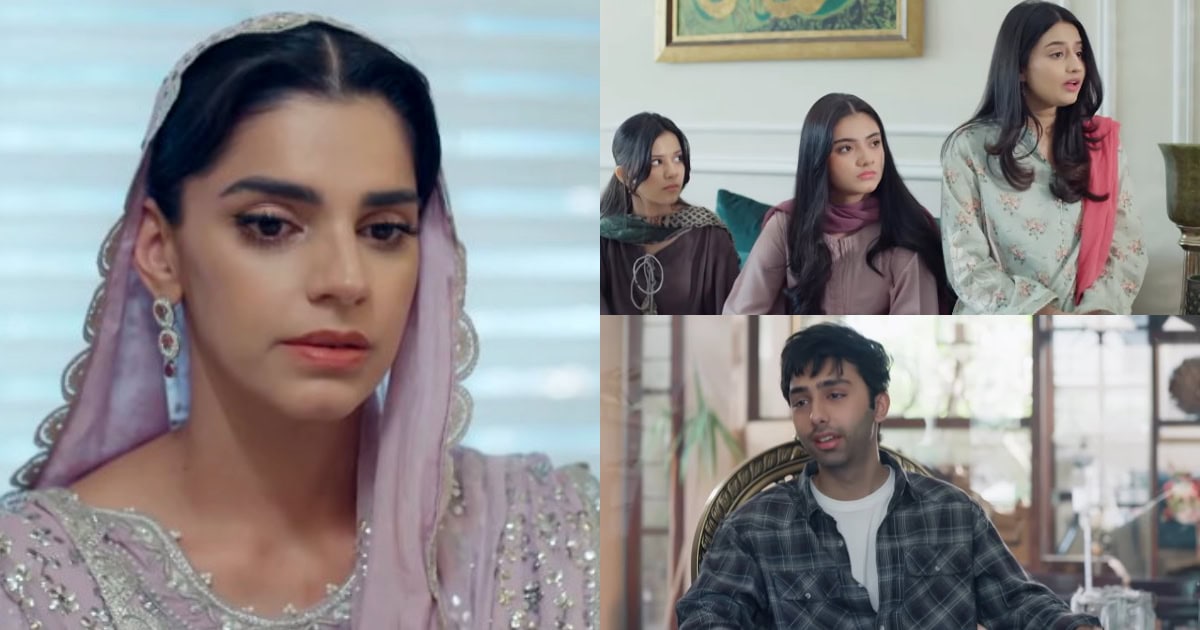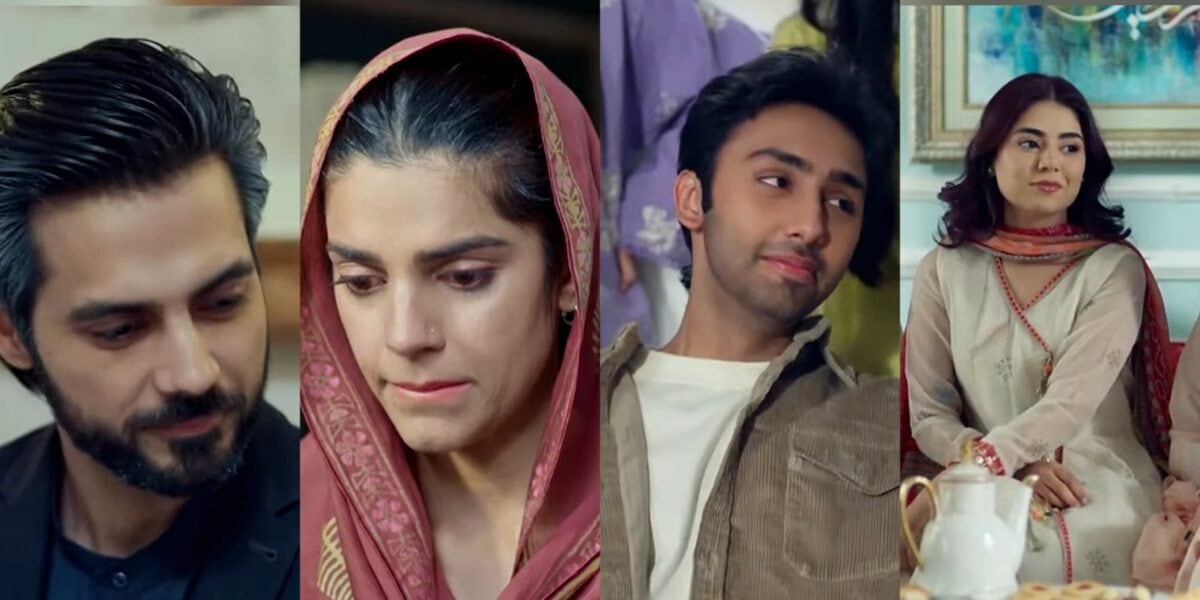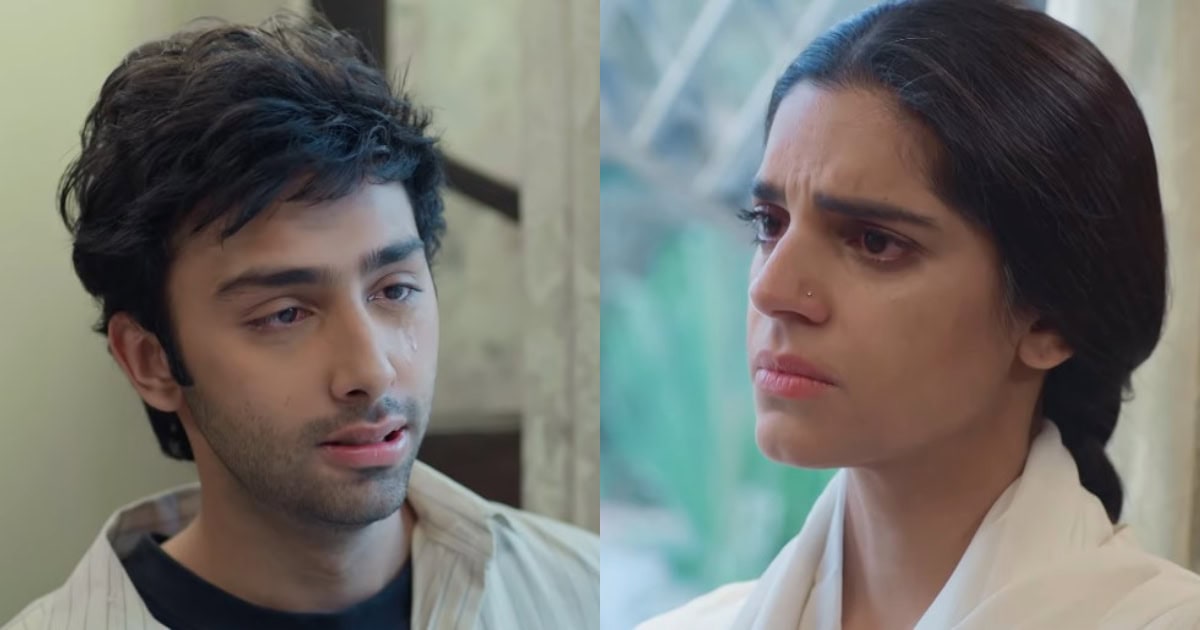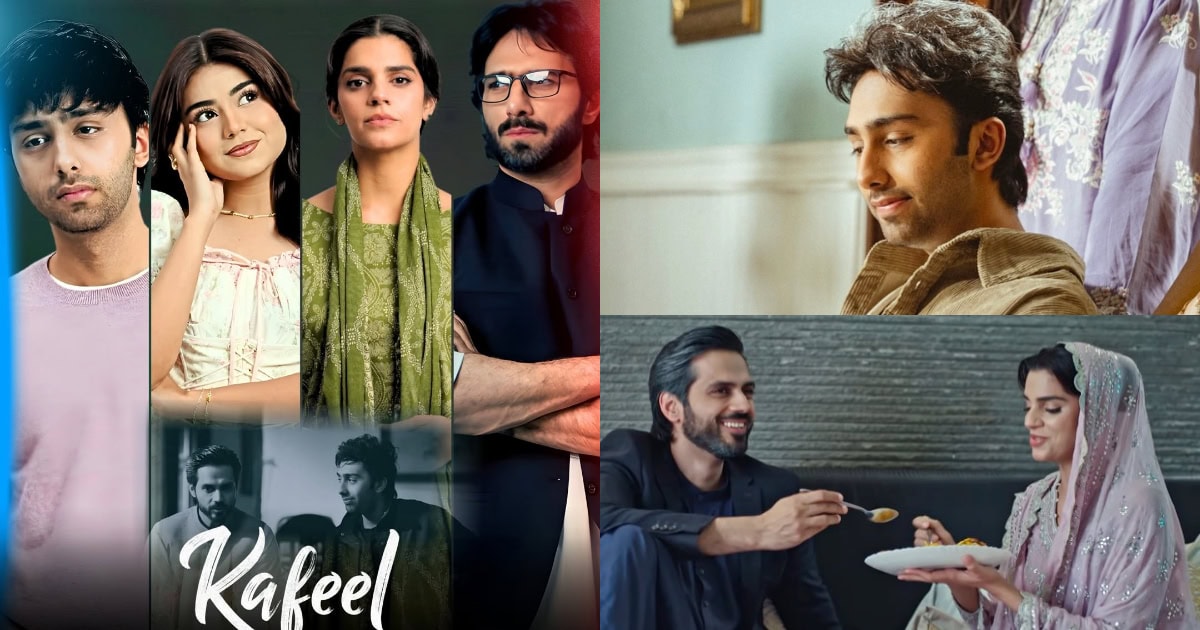
Kafeel was a social issue-based drama with a stellar cast and crew. The celebrated writer Umera Ahmed made her television comeback with the show. Meesam Naqvi, famous for giving plays like Mayi Ri and Parwarish, took the director’s seat for this one. Sanam Saeed and Emmad Irfani were the lead actors for this show. After many twists and turns and a huge time leap, the show finally ended with a fantastic finale.
The drama dealt with the topic of kafalat, a Muslim woman’s right to maintenance and financial support from her husband. This is a basic right of a Muslim wife, and she can raise her voice against her husband if she is not receiving her due rights. Kafeel has taught the audience several lessons and started debates that society needed.
Here are the lessons that Kafeel gave us:
Father & Brother – Supporters Not Rivals
Kafeel is the story of Zeba, but it is not just about one Zeba. This is the story of millions of women around us who suffer throughout their lives under the pressures of society. In most cases, the men in these women’s lives, including fathers and brothers, are generally obsessed with “Ghairat”. But in Zeba’s case. Her father and brother provided her support nd stood with her. The father and brother demonstrated what these relationships truly represent. The positive portrayal of these two relationships is a win for Kafeel.
A Mother’s Power Over Your Life
Munazzah Arif played the role of Zeba’s mother in Kafeel. If we look at everything with a clear mind, it was Zeba’s mother who caused all her suffering through her hasty decisions. A mother can make or break a daughter’s fate in a desi household, as she is the closest confidant a daughter has. Zeba’s plight began because her mother never supported her, and the drama effectively illustrated how mothers can become toxic due to the mindset they have adopted from society.
Kafaalat – The Pillar Of A Marriage
Kafeel talked about a very overlooked part of a marriage, i.e., Kafaalat. Unfortunately, Pakistani dramas have become all about who is in love with whom. The hero is generally a billionaire, though his work is never explained. But in Kafeel, we saw a real post-marriage problem. A man who does not financially support his family. He does not do kafalat for his wife and kids. They suffer, and they get judged by society despite being victims. Jami showed the reality of millions of men in our society who never take financial responsibility for their families.
Family Planning
Kafeel received a huge amount of criticism when the time leap came. Zeba had four kids with a very irresponsible man. People kept asking why you would have four children when your husband is so irresponsible. The track shows how women and even men do not educate themselves about family planning. This has led to a population boom in the country, and now we have fewer resources and more mouths to feed. The show is showing us the importance of planning a family according to your circumstances.
Log Kya Kaheinge
The mentality of “Log Kya Kaheinge” has ruined countless lives in this country. The curse runs through generations, and it happened to Zeba in Kafeel. First, her mother hastily got her married as she was scared of her daughter liking a boy. She then kept ruining her life and did not help her get out of that relationship. She was in the end going to ruin her life again as she rejected Jamal’s proposal due to society’s fear. It was Zeba’s brother who made her see reason, and he cared more about her sister than about society.
Importance Of Showing Green Flag Men
Kafeel brought the biggest red flag on screen, aka Jamshed/Jami. At the same time, we got to see the biggest green flag in the form of Subuk. That character was the perfect portrayal of many middle-class young men of today. Through Subuk, gentle and caring men also got representation on television. Subuk was a good son, a good brother, a good friend, and a man with a heart. It became the most appreciated character in the drama, and it shows how the audience still prefers a sane and kind man in place of toxic heroes with zero accountability.
Divorce Is Not The End
In Pakistani society, divorce is still the end of life for a woman. Kafeel dismissed this. With the stories of women like Sumaira and Zeba, the drama spoke about how Islam facilitates and encourages women to find good matches, regardless of their ages. Watching Zeba find happiness again resonated with countless divorced women, and in a Muslim country, marrying after divorce needs to be normalised.
Marriage In Old Age
Kafeel broke another stereotype of Pakistani dramas where couples are always teenagers or young graduates. Here we saw older people finding love in their lives. Love is a blessing, and it can come to you at a later stage in life. You do not always have to fall in love at 18. For some, the age is 48, and that is both okay and acceptable.
Women Can Also Be Toxic
Jami was hands down the most toxic character in Kafeel, but Warda was no less. She ruined Saif’s life and did not let him have a single moment of peace. Her track showed that women are equally capable of turning a relationship sour and spreading toxicity in the household. In a world where only male characters are villainised for the most part, Warda’s track was important.
Money Is Not Everything
Though Kafeel is about the importance of finances in marriage, it also shows how money is not the ultimate happiness. This is something that was shown in two generations. Zeba was married off to Jami because he looked khandani ameer, and his family was doing okay. But her marriage was toxic. On the other hand, Daneen’s father chose a struggling Subuk for his daughter without caring about his social status because he was a responsible man. Thus, the importance of money is shown, but the importance of character is not lost.
What other lessons do you think Kafeel taught us? Share with us!