“It’s a chance to qualify. It is a chance to participate in a big event,” Fifa president Gianni Infantino declared in January 2017.
The Fifa Council had just unanimously voted to expand the World Cup to 48 teams. Nations who had never or rarely reached the finals were being given hope.
Infantino added: “Football is more than Europe and South America. Football is global.
“The football fever you have in a country that qualifies for the World Cup is the most powerful tool you can have, in those nine months before qualifying and the finals.”
Yet that “football fever” is falling a little flat after the ticket prices were released.
While the players will be there, the price of tickets could outstrip wages.
Take Haiti, one of the poorest countries in the world. The average wage in the Caribbean nation is around $147 (£110) a month.
The cheapest tickets for Haiti’s first game at the World Cup in 42 years, against Scotland, cost $180 (£135).
To attend all three matches – they also play Brazil and Morocco – would cost $625 (£467). That’s more than four months’ salary for the average Haitian, just to get into the ground.
It’s a similar story for Ghana, where the average monthly salary is around $254 (£190).
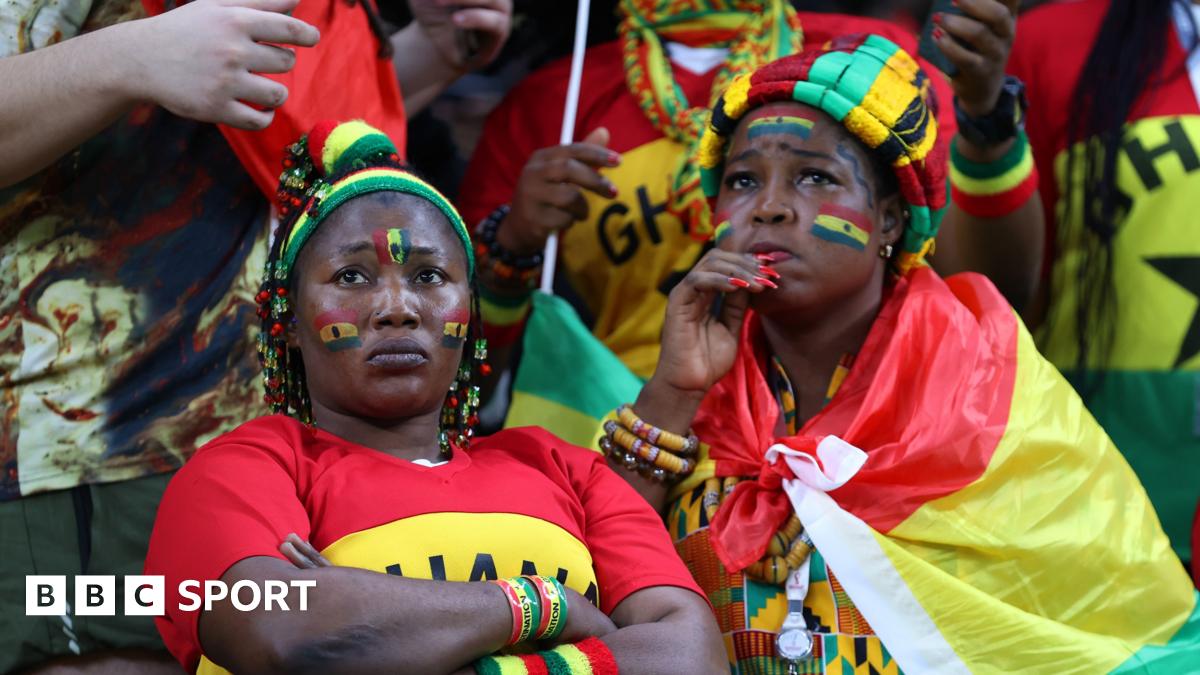
Ghana supporter Jojo Quansah told BBC World Service that fans would have to cancel their plans.
“It’s a bit of a disappointment for those who, for the last three-and-a-half years, have been trying to put some money away in the hope that they can have their first World Cup experience,” he said.
“Fifa themselves have gone ahead to increase the number of teams so a lot more smaller football nations will get a chance to have themselves and their fans represented.
“It’s been overshadowed by pricing those same fans out of a chance to watch their country play at the World Cup.
“I have a feeling that quite a number of people within the next couple of months, are going to drop out of that desire to be at the next World Cup. Sadly. So sadly.”
Other nations could see their fans priced out.