Even if the US-Iran conflict lasts only a few days and does not turn into a prolonged war, heightened regional risk can weigh on financial flows.
If the war between Iran and the United States escalates, the single biggest economic threat to Pakistan will come from oil.
Brent crude settled around $72.5 a barrel on Friday, already up nearly 19 per cent year-to-date, according to CNBC. Rumours are swirling of oil touching $100.
For Pakistan, even modest increases carry heavy consequences.
For every $10 rise in oil prices, the current account deficit increases by roughly $1.5–$2 billion, explains former chief executive officer of the Pakistan Business Council, Ehsan Malik.
“If prices were to climb to $100, the deficit could expand by $5–$7bn on an annualised basis, potentially undoing recent gains that allowed FY25 to post a $2bn current account surplus.”
Markets are extremely erratic right now, says energy analyst Syed Rashid Husain.
Iran produces roughly 3–3.5 million barrels of oil per day, exporting about 1–1.5m barrels. While this is far lower than the output of the United States (about 13.5m barrels per day) or Saudi Arabia (around 9–10m), even a loss of one million barrels per day can tighten global balances and push prices higher.
Compounding the risk is the strategic importance of the Strait of Hormuz, the narrow waterway through which roughly 20pc of global oil consumption passes. For years, Iran has threatened to block this passage during periods of heightened conflict.
According to Reuters, oil and gas shipments through the area have already faced disruption, with Iran’s Revolutionary Guards reportedly warning ships that passage is not permitted, although Tehran has not formally confirmed such an order.
Analysts say scenarios range from limited disruptions to Iranian exports to a full blockade of Hormuz.
The ripple effects are already visible. Late Saturday night, petrol prices at pumps in Canada had risen by roughly 10–15 cents per litre, Husain said, speaking from experience.
Russia-Ukraine crisis flashbacks
For Pakistan, the situation evokes the economic horror of the Russia–Ukraine war. During 2022-23, Brent crude hovered around $100–125 per barrel, leading Pakistan to float perilously close to sovereign default.
The chain reaction was brutal. The war pushed up oil prices, widening Pakistan’s import bill and putting pressure on the exchange rate. The rupee slid from around Rs170 per dollar in early 2022 to a peak of Rs305 on Aug 28, 2023, before stabilising in the Rs270–280 range toward the end of that year.
There was, however, an important cushion at the time. Despite sanctions, Russia still exported oil and gas by hook or by crook to many countries; Pakistan also tried to get oil from Russia, and India became a major importer of Russian oil.
Since then, however, the US has pressured India to stop importing and tightened the screws on all of Russia’s supplies. If Iranian barrels are disrupted simultaneously, two significant discounted supply streams could disappear, pushing crude firmly into triple-digit territory if tensions do not de-escalate.
There are already signs of strain. Saudi Aramco has reportedly not allocated a March cargo to a Pakistani refinery amid volatility in global oil markets. Uncertainty in global crude trade has made it difficult to secure shipments for March, and this was before the news of the assassination of Iran’s Supreme Leader Ayatollah Khamenei.
Marine insurers are also considering repricing or cancelling policies in parts of the Middle East, according to reports.
A chain reaction and the IMF
Oil prices have a multiplier effect as they impact secondary markets.
For example, edible oil prices — of which Pakistan imported roughly $3.7bn in FY25 — are indirectly linked to crude oil markets, Malik explains.
Much of the economic breathing space that enabled recent stabilisation came from relatively stable global commodity prices.
“For every $10 increase in oil prices, Pakistan’s inflation typically rises by about 0.5–0.6 percentage points,” says Waqas Ghani, Head of Equity Research at JS Global Capital.
If oil prices surge, inflation would rise again, making further policy rate cuts unlikely.
Industry would face higher input costs, weakening exports. At the same time, fiscal space would shrink, limiting the government’s ability to lower taxes or provide relief, adds Malik.
“The veneer of stability has been damaged,” says Ammar H Khan, Professor of Practice at the Institute of Business Administration Karachi. Capital outflows could increase, or new investment could slow, hurting job creation and — at the margins — reducing demand for migrant labour abroad.
These repercussions may also extend to remittances, which are vital for keeping the current account afloat.
Even if the conflict lasts only a few days and does not turn into a prolonged war, heightened regional risk can weigh on financial flows, he adds.
All this is taking place in the background of talks with the visiting International Monetary Fund (IMF) team. Industry sources say there had been positive talks with the Fund regarding possible tax relief in the upcoming budget. Prime Minister Shehbaz Sharif also emphasised the need to reduce direct tax rates.
However, given the current global uncertainty, meaningful relief now appears unlikely.
Pakistan was already receiving very little foreign direct investment, notes M Abdul Aleem, secretary general of the Overseas Investors Chamber of Commerce and Industry.
“What little was in the pipelines, like investments in Reko Diq, will slow down for now,” he says.
“Equally concerning is the law-and-order environment, particularly when it involves the safety of foreign nationals.”
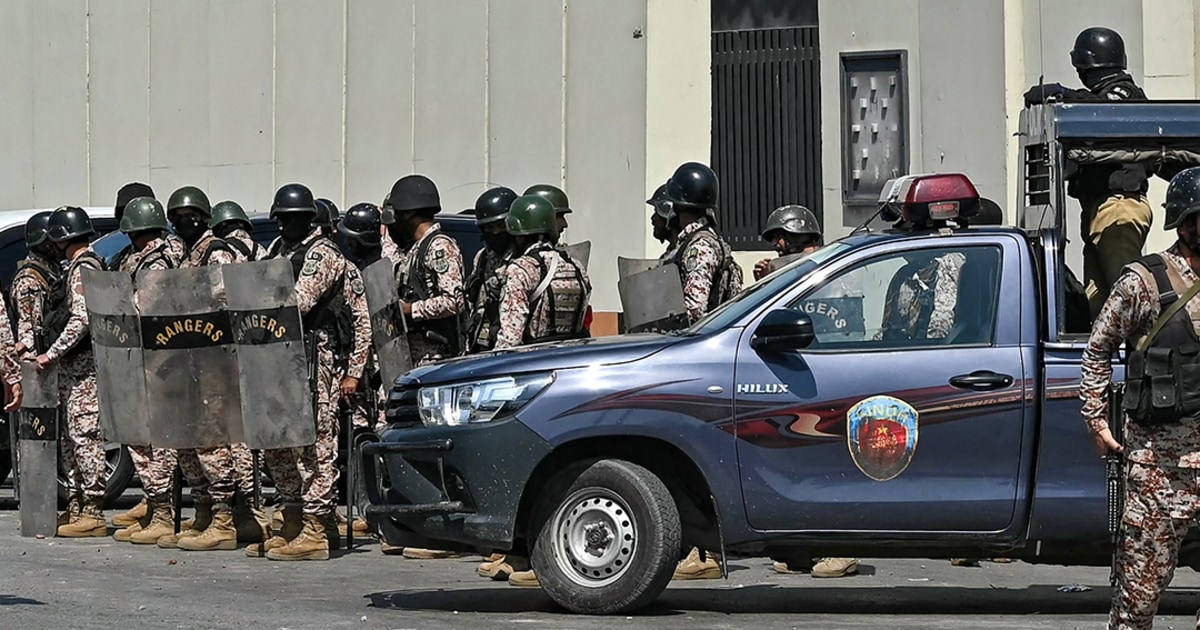
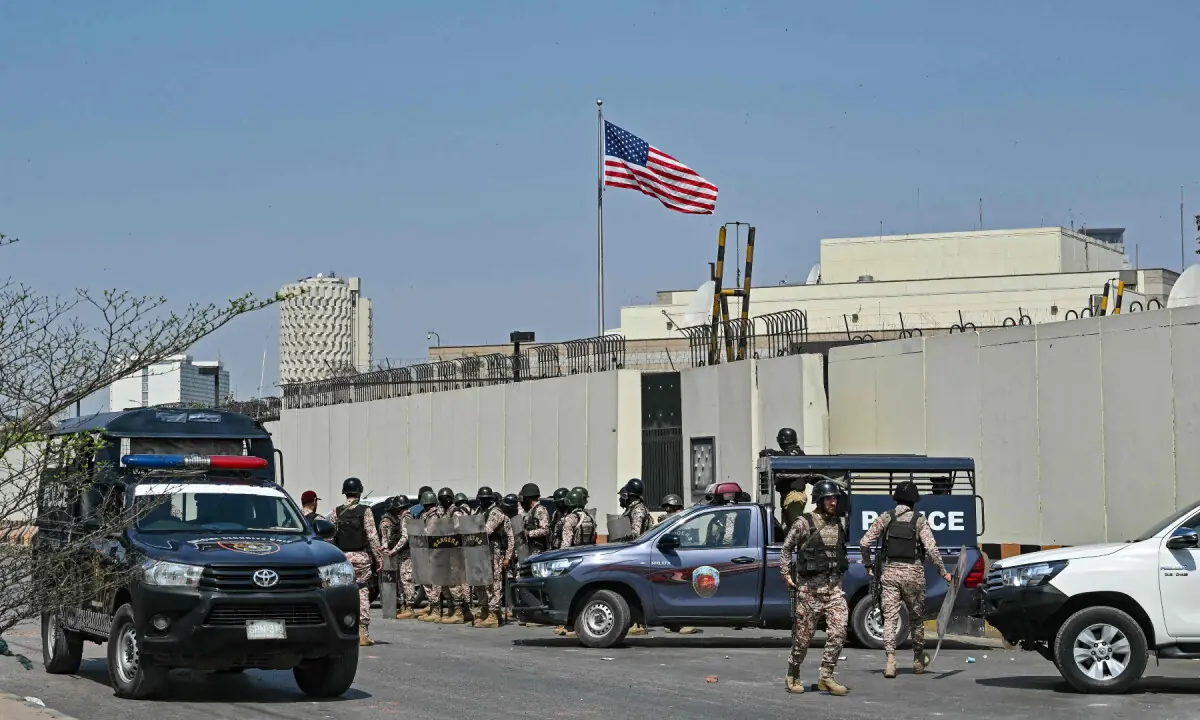
Referring to the recent incident at the US consulate in Karachi, he said stronger preventive security measures should have been in place.
PSX and gold
For equity markets, the implications extend beyond macroeconomic concerns.
Pakistan’s manufacturing sectors rely heavily on imported raw materials and energy inputs. “Take the cement sector as an example,” says Waqas Ghani, Head of Equity Research. “It relies on coal and petcoke as key inputs. If oil prices rise, the prices of these fuels also increase, raising production costs.”
Because many industries depend on imported inputs across the value chain, higher commodity prices quickly squeeze profit margins.
“When input costs rise, margins come under pressure, and corporate earnings can deteriorate,” he said. “Apart from oil and exploration companies, most sectors would face headwinds.”
Beyond fundamentals, market sentiment itself has turned cautious.
“Investors are already becoming more risk-averse,” Ghani noted. “When uncertainty rises, equities are usually the first asset class where investors reduce exposure.”
Several technical factors are also amplifying selling pressure. Foreign investors have been net sellers in recent weeks, while mutual funds are facing redemption pressures from retail investors. When investors withdraw money, fund managers are forced to liquidate holdings, increasing supply in the market.
“At the same time, settlement dynamics can intensify the pressure,” Ghani added. The Pakistan Stock Exchange currently operates on a T+1 settlement cycle, while the banking system operates on a T+2 cycle, which can create short-term liquidity stress for brokers and investors during periods of volatility.
“All these factors combined can create a downward spiral where selling feeds on itself,” he said.
For now, the key trigger that could stabilise markets would be a de-escalation of geopolitical tensions.
“If the conflict subsides and oil prices stabilise, sentiment could recover fairly quickly,” Ghani said. “But until then, markets are likely to remain under stress.”
Much, however, will depend on how global markets react when trading begins.
“It all depends on the evolving situation and any ceasefire news,” said Muhammad Sohail, CEO of Topline Securities. “A lot will hinge on how US futures open, along with the trend in oil prices and Asian markets.”
Pakistani stocks are likely to fall initially, he added, though the extent will depend on developments overnight. Some markets that opened on Sunday were already down close to two per cent.
Ali Nawaz, CEO of Chase Securities, expects early weakness in trading when it begins.
“The market is likely to see a decline in the opening hours, driven by investor concerns over the US-Iran conflict, the broader Middle East situation and rising oil prices,” he said.
However, he expects the pressure to ease as the week progresses.
“A recovery could follow as the situation moves towards resolution and institutional investors step in for value buying,” Nawaz said. Given the market’s recent corrections, further declines may create attractive valuations for investors, echoing the age-old advice to buy the dip.
As the Pakistan Stock Market bleeds, investors may turn to gold, which is expected to surge. On Saturday, local gold prices jumped by Rs10,000 per tola in Pakistan. Qasim Shikarpuri, president of the All Pakistan Sarafa Gems and Jewellers Association, expects international prices to rise by $200–$300 per ounce once markets reopen.
“If that happens, local gold prices could surge by as much as Rs60,000 per tola,” he said.
Bazaars and shopping
Retailers say geopolitical tensions are already affecting shopping activity during Ramazan, a critical sales period for bazaars and malls.
“We have seen this before,” said Asfandyar Farrukh, Chairman of the Chainstore Association of Pakistan. “Even a few days ago, when tensions flared between Pakistan and Afghanistan, and warnings were issued, there was an immediate impact.”
The effect is most visible over the weekend, when shopping activity typically peaks.
“Weekend footfall is usually the highest, especially on Sundays. But in such situations, visitor numbers can fall by half,” he said.
If the tensions subside quickly, retailers expect the slowdown to be temporary.
“If things improve within two or three days, the lost sales can be made up,” he said. “But if uncertainty continues through Ramazan, then the impact could become more significant.”
According to Farrukh, shoppers tend to adjust their behaviour during prolonged uncertainty rather than abandoning shopping altogether.
“People still need to shop for Eid. What they usually do is go out earlier in the day or spread their visits over time,” he said. “But overall, there could still be a 20–25pc decline in footfall during periods of heightened tension.”
Retail activity during Ramazan typically peaks in the final ten days before Eid, though momentum had only recently begun building in markets.
“The last ten days are usually when Ramazan shopping really accelerates,” he said. “But we are already beginning to see some slowdown.”
Farrukh does not expect security concerns to push shoppers significantly toward online retail.
“Eid shopping is an experience. People want to see the fabric, the material, the footwear, hence they prefer to visit markets,” he said. “Online shopping has been growing, but it does not replace the Eid shopping experience.”
Instead, the larger risk for retail spending comes from rising fuel prices.
“If oil prices surge, that will have the biggest impact on consumer spending,” he said. “Fuel prices have already increased, and further hikes are expected. If this situation continues for several days, it would directly affect household spending.”
A path for de-escalation?
Ultimately, much will depend on whether the conflict escalates or finds an off-ramp.
“Domestic politics in the United States may ultimately shape how far this confrontation goes. The US faces congressional midterm elections in November 2026,” notes Husain.
With the American economy already grappling with tariff shocks and a cooling job market amid massive AI investments, the cost of living remains a top voter concern. Surveys cited by The Wall Street Journal show that inflation and household costs remain the most persistent economic complaints.
If gas prices surge sharply, it could damage Republicans at the ballot box, potentially costing them control of the House or the Senate and undermining the administration’s ability to pass major legislation.
That may explain why Donald Trump has suggested there are several “off-ramps” from the military operation, in recent comments to media outlet Axios. Trump is also facing pressure from how own Make America Great Again (MAGA) political base to avoid a prolonged Middle East intervention.
Equally important is Iran’s reaction.
“Iranians have historically been pragmatic in such circumstances,” Husain said. After the killing of Iranian commander Qasem Soleimani in 2020 and the assassination of Hamas leader Ismail Haniyeh in 2024, Tehran’s responses were calibrated.
“There will almost certainly be face-saving measures,” Husain said. “But if past behaviour is any guide, those may eventually be accompanied by efforts to de-escalate as well.”
Pakistan has paid a heavy price on its path to stabilisation. Its fragile economic recovery relies heavily on stable oil prices. The difference between escalation and restraint could mean the difference between continued stabilisation and another severe macroeconomic shock.
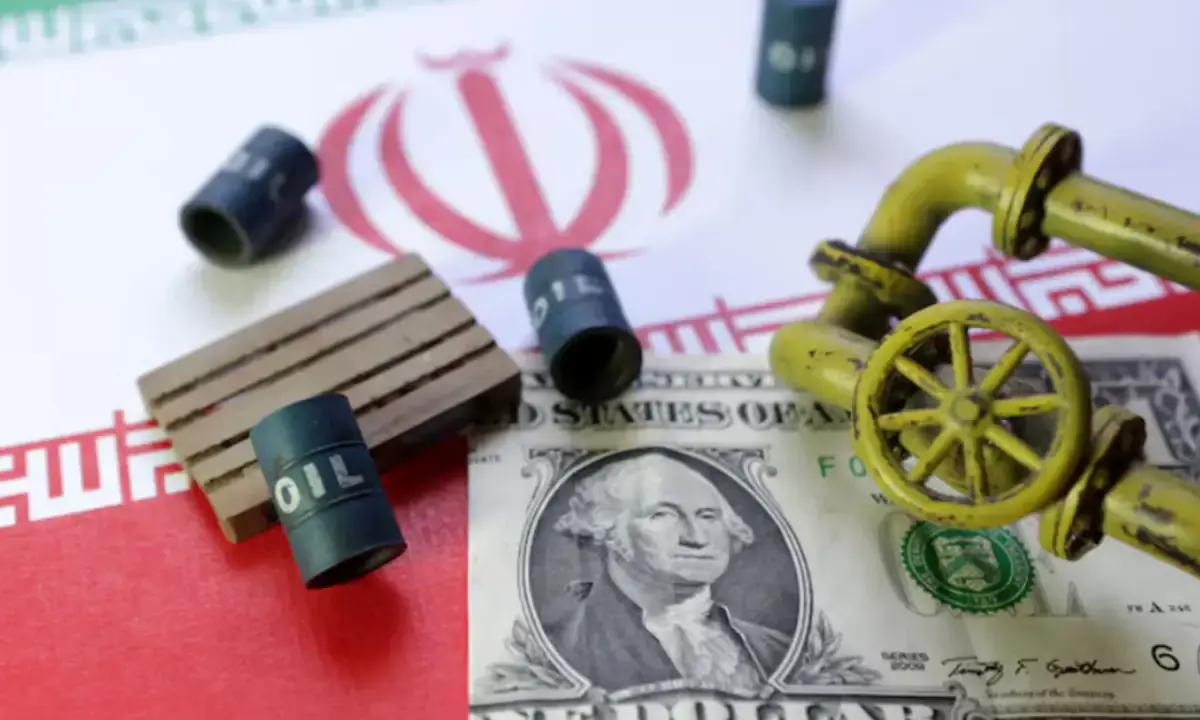
Header image: Iranian flag, a US dollar banknote and minatures of oil pipes and barrels are seen in this illustration taken on June 23, 2025. — Reuters/ File