Synopsis: India’s IPO momentum is slowing as many recent mainboard listings debut below their issue prices. Aggressive valuations, weaker investor participation, falling grey market premiums, and volatile markets have made investors more cautious.
India’s once-booming primary market appears to be losing its momentum, raising questions about whether the IPO party is finally winding down. Several recent mainboard listings have failed to excite investors, delivering negative listing gains and signaling a shift in market dynamics.
The trend highlights growing caution among investors, who are increasingly scrutinizing valuations and market conditions before committing to new issues. Out of the last ten IPOs, eight debuted below their issue prices, underscoring the challenges facing the primary market amid broader equity volatility.
Recent IPO Performance
- Omnitech Engineering: The company made its market debut at Rs. 202, below the issue price of Rs. 227, reflecting a listing loss of approximately 11%. The weak subscription, particularly among retail investors, further indicated limited demand for the offering.
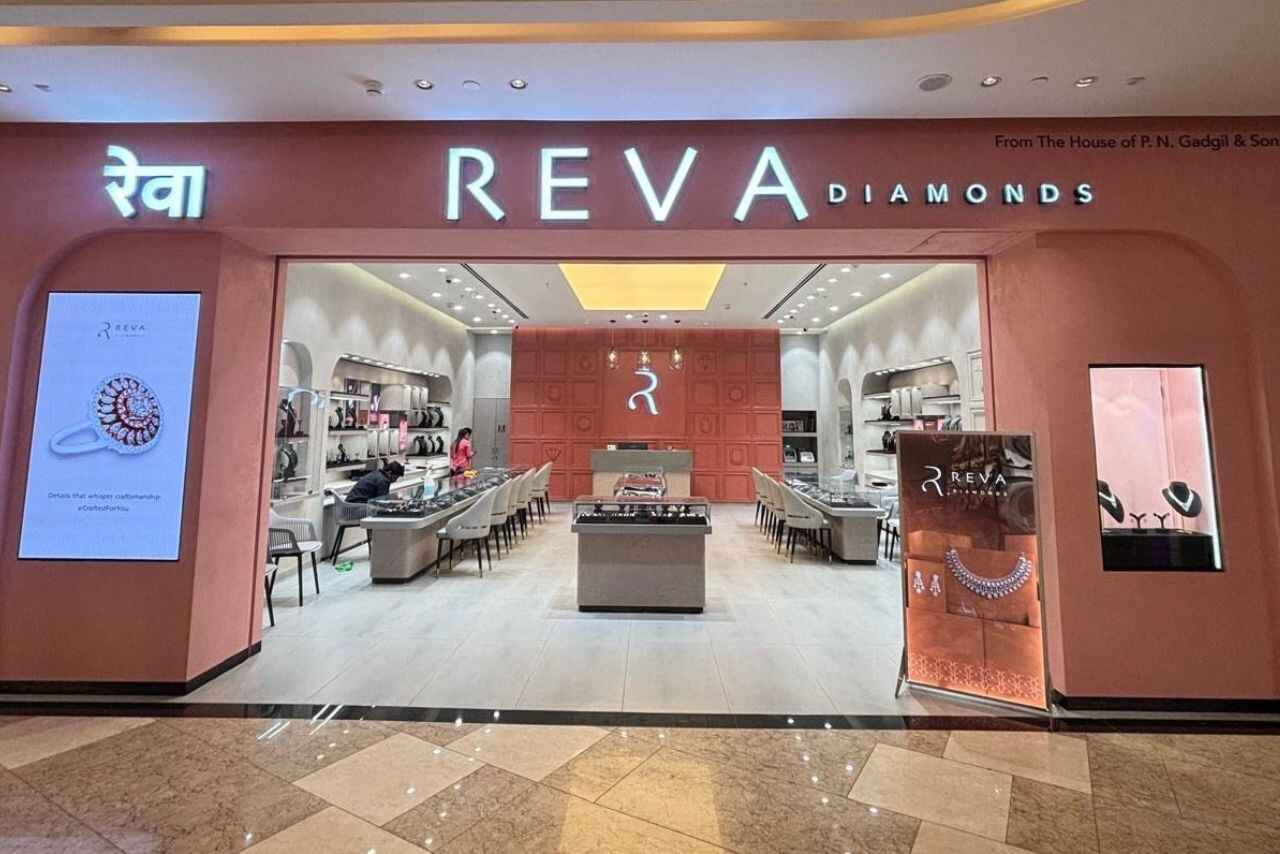
- PNGS Reva Diamond Jewellery: PNGS Reva was Rs. 386.00, listed at a price of Rs. 375, which is 2.85% lower than the allotment price.
- Clean Max Enviro Energy: The stock listed at ₹960, below its Rs. 1,053 issue price, giving investors a loss of nearly 9% on listing day. It has slipped further and is now more than 17% below the IPO price, reflecting valuation concerns.
- Shree Ram Twistex: One of the biggest disappointments, the stock listed at Rs. 68 versus an issue price of Rs. 104, a loss of over 34%.
- Gaudium IVF & Women Health: The stock has given decent returns, in which the issue price was Rs. 79.00, listed for Rs. 83.00, which is 5.06% higher than the allotment price
- Fractal Analytics: Fractal’s shares debuted at ₹876 compared with the ₹900 issue price, a 2.7% loss on listing. Since then, the stock has corrected further and is about 14% below the IPO price.
- Aye Finance Ltd: The issue price of the stock was Rs. 129.00, listed at a price of Rs. 129.00, which is 0.00% exactly matches the allotment price.
- Shadowfax Technologies: The logistics firm listed at Rs. 112.6, lower than its Rs. 124 issue price, indicating weak listing sentiment and cautious investor demand.
- Amagi Media Labs: Amagi opened at Rs. 318 against the Rs. 361 issue price, reflecting a weak debut amid declining enthusiasm for tech-driven IPOs.
- Bharat Coking Coal: The company delivered strong gains. It debuted at Rs. 45 against the Rs. 23 issue price, generating about 96% listing gains, and still trades around 43% above the issue price while down by 27 percent after listing.
The data indicate a clear shift in investor sentiment. Earlier, strong demand for IPOs typically resulted in significant listing gains. However, the current trend shows that investors are becoming more selective, focusing more on company fundamentals rather than simply chasing heavily subscribed IPOs.
Reasons Behind Weak IPO Performance
Broader Market Correction
The benchmark index Nifty 50 has declined by around 6% this year, while mid-cap and small-cap indices have experienced even sharper corrections. During such periods of market volatility, investors generally shift their focus toward established, fundamentally strong companies rather than newly listed firms. As a result, investor appetite for new listings tends to decline when the overall market sentiment is weak.
Aggressive Valuations
Many companies launching IPOs have been priced at relatively high valuations compared with their earnings, growth prospects, and listed industry peers. However, when valuations appear stretched, investors become cautious and may avoid bidding heavily. Even if the IPO manages to get subscribed, the high pricing often leaves little room for listing gains once the stock begins trading in the secondary market.
🚀 Trade Crypto F&O with Delta — Open Free Account
Weak Investor Participation
In contrast to the IPO boom witnessed during 2024–2025, when many offerings were heavily oversubscribed, several recent IPOs have seen relatively lower participation from both retail and institutional investors. Lower subscription levels signal weaker demand for the issue, which often results in subdued listing performance or even discounts on the listing day.
Falling Grey Market Premiums (GMP)
The grey market premium (GMP) reflects the unofficial price at which IPO shares trade before they are listed on the stock exchange. Recently, GMPs for several IPOs have remained flat or even turned negative. This suggests that traders and early investors have limited expectations for strong listing gains, and negative market conditions spur less demand.
Dominance of Offer for Sale (OFS)
In several IPOs, a large portion of the issue consists of an Offer for Sale, where existing shareholders, such as promoters or private equity investors, sell their stakes rather than the company raising fresh capital. When investors see that the IPO mainly allows early investors to exit instead of funding business expansion, it may create scepticism about the company’s growth prospects and weaken demand for the issue.
Global Economic Uncertainty
Global factors such as inflation concerns, geopolitical tensions, and slowing economic growth can negatively affect investor sentiment in equity markets. When international markets become volatile, investors often adopt a risk-averse approach and avoid investing in new and relatively uncertain opportunities like IPOs. This cautious attitude can lead to lower subscription levels and weaker post-listing performance.
Disclaimer: The views and investment tips expressed by investment experts/broking houses/rating agencies on tradebrains.in are their own, and not that of the website or its management. Investing in equities poses a risk of financial losses. Investors must therefore exercise due caution while investing or trading in stocks. Trade Brains Technologies Private Limited or the author are not liable for any losses caused as a result of the decision based on this article. Please consult your investment advisor before investing.