Synopsis: UK factories face biggest cost jump since 1992 due to Middle East war spiking oil prices 38%. Inflation rises, rate cuts off, economy slows as fuel and raw materials soar.
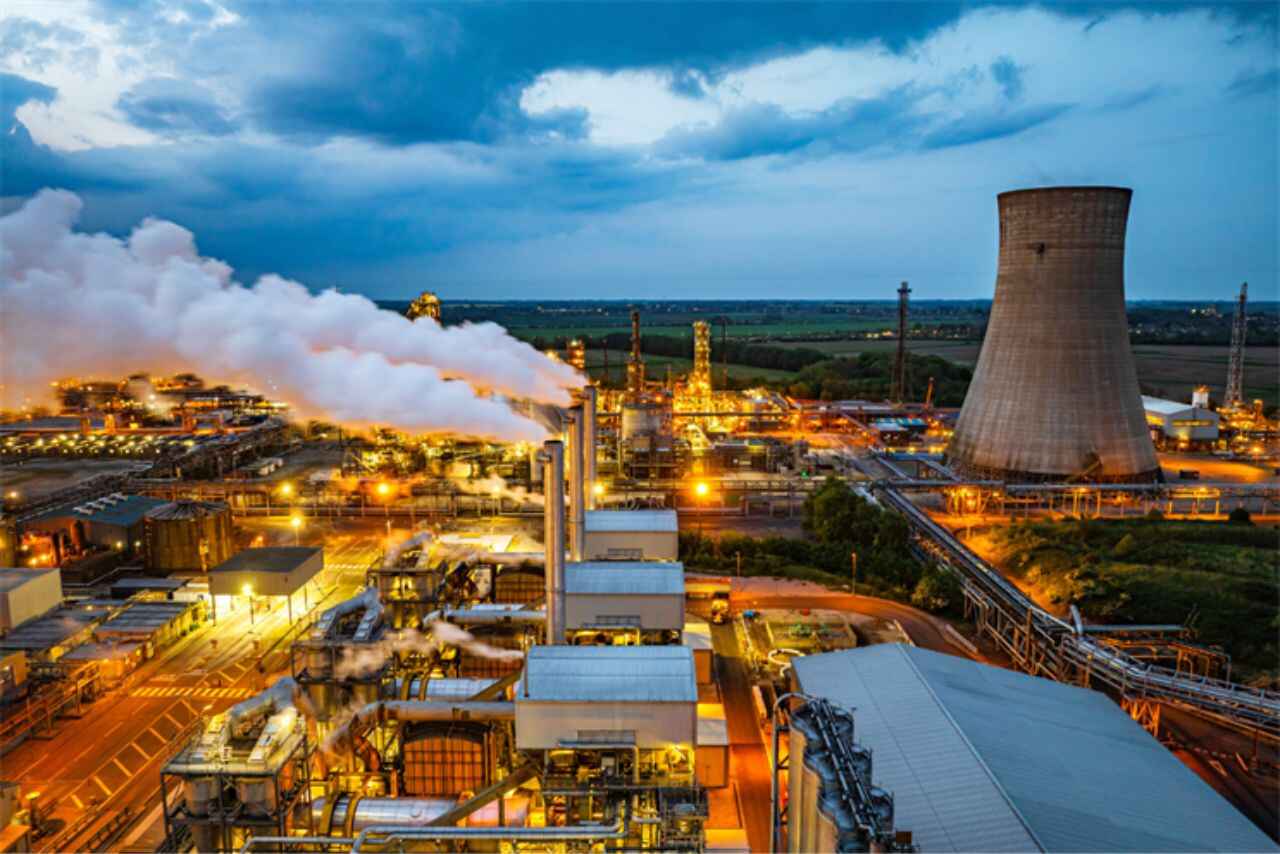
Rising oil prices from the Middle East conflict are rattling Britain’s economy, and manufacturers are paying the price. Britain’s factories are facing their steepest cost surge in over three decades. The Middle East conflict has sent oil prices soaring. This has triggered pain across the UK economy that few saw coming. New survey data now lays it all bare and the numbers are alarming.
The Purchasing Managers’ Index (PMI), a closely tracked economic measure, shows manufacturing costs jumped sharply in March. The rise was the largest single-month surge since the aftermath of Black Wednesday in 1992. Back then, sterling crashed and import costs exploded overnight. Today’s crisis looks different but the shock feels just as sharp.
Oil Shock Hits Factories Hard
The PMI cost index climbed 14 points in a single month. The only comparable jump was 17 points in October 1992, following the pound’s collapse. Analysts at S&P Global Market Intelligence, which collects the data, said growth has “slowed to a crawl.”
Fuel, transportation, and energy-intensive raw materials are driving the surge. The US-Israel war on Iran has disrupted oil supply through the Strait of Hormuz. Brent crude prices have risen roughly 38% in the past month. At times, they have pushed past $100 per barrel.
Meanwhile, the composite PMI covering both services and manufacturing dropped to 51 in March. That still signals modest growth. However, it fell sharply from 53.7 in February, showing the economy is losing momentum fast. Emily Sawicz, a senior analyst at RSM UK, warned the recovery expected in 2026 now “appears likely to be delayed at best.”
Inflation Rises, Rate Cuts Look Unlikely
UK inflation held steady at 3% in February but those figures were collected before the conflict began. Fuel prices have since surged dramatically. Petrol, which averaged 131.6p per litre in February, hit 149.4p by mid-March. Diesel jumped from 141.1p to 175.7p.
Consequently, analysts now say interest rate cuts are off the table. Some even expect a rate rise later this year. Capital Economics forecasts inflation could peak at 4.6% by year-end. The Bank of England held rates at 3.75% in March but flagged rising inflation risks.
As a result, the GBP to USD forecast has turned uncertain. Sterling has been volatile, trading between 1.32 and 1.345 against the dollar. On days when oil spiked, the pound dropped as much as 0.4%. The dollar, meanwhile, strengthens as a safe-haven currency during global energy shocks.
PwC economist Jake Finney described the challenge clearly: the conflict pushes prices up while also dragging demand down. The Bank of England must decide how long this crisis will last before acting.
Real Businesses Feel the Burn
The numbers are not just statistics they are changing lives on the ground. James Palmer, who runs Acme Bus Company in Essex, says his fuel costs jumped from £1.21 to £1.86 per litre in just three weeks. His buses carry hundreds of schoolchildren every day. Furthermore, he now faces the uncertainty of not knowing tomorrow’s fuel price.
Similarly, Daniel Pilley runs a health club in Suffolk that uses heating oil for its pool. He says the price rose from 59p to £1.50 per litre in just two weeks. He called it “profiteering by the large oil companies.” The UK’s competition watchdog is now investigating.
Retail has also suffered. The CBI’s March survey recorded the fastest annual drop in sales volumes since April 2020, during the Covid lockdowns. The balance of retailers reporting rising sales stood at -52%, down from -43% in February. CBI economist Martin Sartorius said “weak economic conditions continue to weigh on household spending.”
What Comes Next for the UK Economy
The OECD gave the UK the largest growth downgrade among all G20 economies for 2026. Morgan Stanley has warned of a potential “pronounced UK recession” if high energy prices persist. Analysts estimate a 0.5% hit to GDP if oil stays elevated.
New export orders are also falling the fastest decline since April last year. Companies have begun postponing projects, particularly in the Middle East. Supply chain disruptions are adding further pressure.
Chancellor Rachel Reeves is expected to outline support measures for consumers this week. She has pledged to cut food prices, boost energy security, and protect people from unfair price rises. Nevertheless, experts say rising global oil prices are likely to undermine those efforts.
The crisis is not over. Therefore, how long the conflict continues will determine whether Britain slides deeper into stagflation or finds its footing. For now, manufacturers, businesses, and households across the UK are bracing for more turbulence ahead.
Disclaimer: The views and investment tips expressed by investment experts/broking houses/rating agencies on tradebrains.in are their own, and not that of the website or its management. Investing in equities poses a risk of financial losses. Investors must therefore exercise due caution while investing or trading in stocks. Trade Brains Technologies Private Limited or the author are not liable for any losses caused as a result of the decision based on this article. Please consult your investment advisor before investing.