It began quietly, almost invisibly, on the internet. A fake advertisement here. A cloned voice there. A video that looked real, sounded real, but wasn’t real at all.
By the time India’s biggest celebrities realised what was happening, their faces, voices and identities had already slipped into a digital grey zone, replicated, remixed and monetised without consent.
And so, one by one, they walked into court.
WHAT ARE PERSONALITY RIGHTS?
The word personality rights is used to refer to the right of an individual to control the commercial use of their identity, name, image, voice, likeness or even signature style.
India does not have a dedicated statute for personality rights and the protection for these rights have come through judicial innovation over years and are not statutory in nature.
Courts have derived them from:
Article 21 (Right to Life and Privacy)
Intellectual property principles
Copyright law (in some contexts)
Courts have repeatedly held that a celebrity’s persona has commercial valuE and unauthorised use amounts to exploitation. But, the real trigger for litigation wasn’t just traditional misuse, it was AI and deepfakes.
THE TURNING POINT: AMITABH BACHCHAN’S CASE
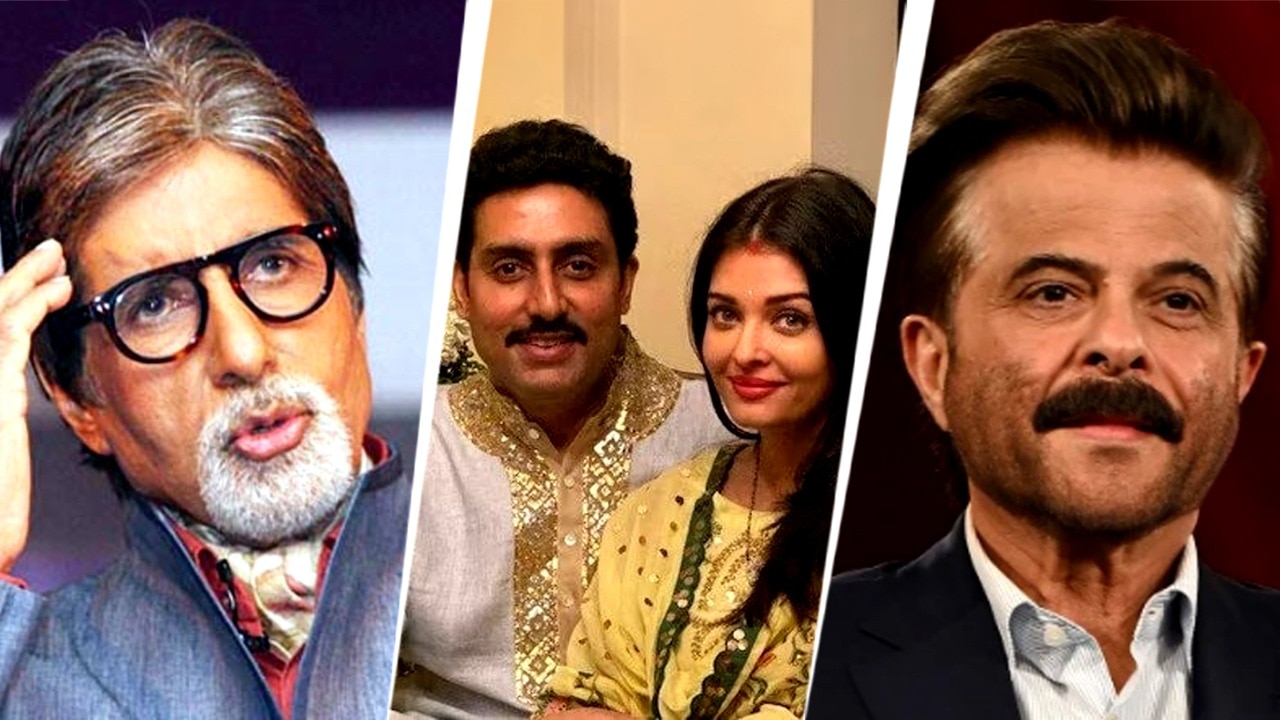
The recent modern personality rights wave in India is often traced back to Amitabh Bachchan’s 2022 Delhi High Court case. He approached the court after his voice, image and persona were being used without permission.
Fake apps, merchandise and endorsements related to him surfaced online.
The Delhi High Court granted broad interim protection, restraining misuse of his name, voice and personality traits.
‘JHAKAAS‘ IS PROTECTED: ANIL KAPOOR’S CASE
Soon after, actor Anil Kapoor approached the Delhi High Court, not just for his face or name, but for something more intangible – his identity including, his voice, expressions and even his iconic catchphrase: “Jhakaas” (awesome).
The court ruled in his favour, restraining unauthorised commercial use.
THE AI EXPLOSION: AISHWARYA AND ABHISHEK BACHCHAN
Then came the AI era and the cases became more urgent.
Aishwarya Rai Bachchan approached the Delhi High Court after fake websites used her identity and AI-generated content misused her image. The court ordered immediate takedown of unauthorised content.
Similar protection was also granted to Abhishek Bachchan, wherein the court directed platforms to remove infringing URLs and block content.
Together, their cases signalled a shift: Personality rights were no longer just about endorsements, they were about digital dignity.
MORE CELEBRITIES REACH COURT
As the misuse of actors’ personality rights continues to increase, more public figures joined the legal battle.
Jackie Shroff alleged misuse of apps and his merchandise, while Karan Johar flagged the unauthorised use on social media. Suniel Shetty flagged fake promotional content and Vivek Oberoi flagged court-barred unauthorised use of identity.
From the music industry, singer Kumar Sanu claimed that AI was cloning his voice and singing style.
The High Court granted all of them interim relief.
Team India coach Gautam Gambhir also moved the Delhi High Court, flagging deepfake misuse that led to the court ordering takedowns.
Actor Shatrughan Sinha approached the Bombay High Court, which passed an order to protect his name, likeness, image and personality from sites, which used them to impersonate him.
What started as isolated complaints has turned into a full-fledged legal movement.
From Amitabh Bachchan to Aishwarya Rai, from Anil Kapoor to Gautam Gambhir, India’s most recognisable faces are drawing a line. Your identity is yours, even in the digital world.
And as AI continues to blur reality, the courtroom may become the final place where identity is reclaimed.
In the AI era, personality rights extend beyond celebrities, raising broader legal and ethical questions. Indian courts are beginning to address these issues, but largely through case-by-case rulings, as a unified law is yet to be established.
– Ends
Published By:
Prateek Chakraborty
Published On:
Mar 30, 2026 21:32 IST