PPP Chairman Bilawal Bhutto-Zardari said on Thursday that although there had been no discussion with the PML-N about imposing governor’s rule in Khyber Pakhtunkhwa, the PTI-led government in the province was heading in a direction that could create conditions for such an option.
The federal government is seriously considering imposing governor’s rule in KP, citing “security and governance issues” in the province as the reason for this potential move.
Law Minister Azam Nazeer Tarar earlier said “governor’s rule is not the face of any martial law” and added that if the conditions merit it, then it was within the Constitution to implement it.
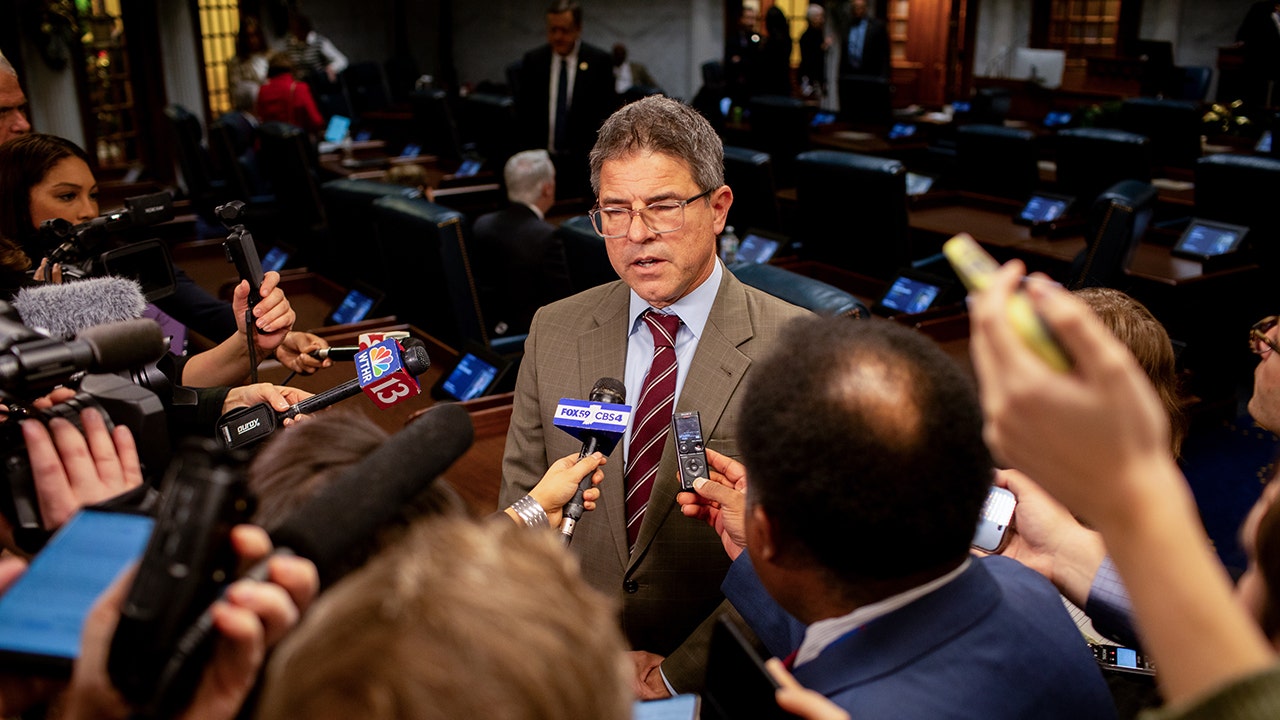
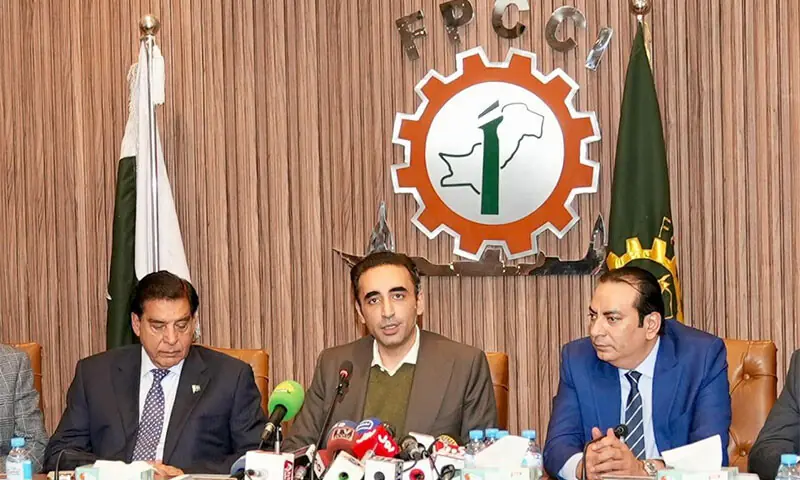
Bilawal was speaking to the media during a visit to the Rajoa House residence of Syed Hassan Murtaza, the PPP’s central Punjab general secretary, here to offer condolences on the death of his father.
He said the PTI’s politics was creating conditions for governor’s rule in KP. “The PTI is forcing the federal government to take strict action against it … and it’s an option in the province,” he added.
“Constitutional options exist for imposing governor’s rule,” he noted.
The PPP chief also chided PTI founder Imran Khan. “He [Khan] is now being held accountable for his crimes. Intoxicated by power, he had threatened to send everyone to jail. Imran Khan is now facing the consequences of his own conduct.”
On Wednesday, the PPP chairman had urged his party’s coalition partner, the PML-N, to give political space to the PTI. “It is the responsibility of the government to give space to the opposition in politics, and all political forces must play a serious role for the betterment of the country,” he told reporters after visiting the house of late senior party worker Zubaida Jafri in Baghbanpura.
27th Amendment lauded
To a question about the 27th Amendment on Thursday, the PPP chairman said its passage paved the way for the establishment of a constitutional court, which had been a long-standing dream of his mother, former premier Benazir Bhutto.
“The constitutional court gives equal representation to all provinces, and its chief justice belongs to South Punjab,” he said.
“This is a victory for the PPP’s political manifesto and ideology.
“He added that another achievement in the amendment was the protection of the NFC award granted under the 18th Amendment, which ensured that the provincial share remained unchanged.
Speaking about the proposed 28th Amendment, he said the federal government had held no discussions with the PPP on the matter. He said the 27th Amendment fulfilled a key promise in the Charter of Democracy and reflected the PPP’s political vision.
The protections given to the provinces under the 18th Amendment, he added, had been preserved.
He attributed the government’s financial difficulties to bureaucratic inefficiency, especially the Federal Board of Revenue’s (FBR) failure to collect adequate revenue.
The PPP chairman criticised the FBR, questioning why the public should suffer for the institution’s weaknesses. “We [the PPP] will work together with government to remove their difficulties and I have suggested reforms in tax collection to overcome financial vows.”
Economy
The PPP chairman said the government had improved the country’s economy.
“When the PDM [Pakistan Democratic Movement] came to power, the country was on the verge of default, but the financial condition is much better now,” he noted.
However, he added that the government should focus on increasing productivity and exports as well as providing relief to the common man.
“The Sindh government is providing fertiliser to small farmers free of cost to increase the per acre productivity and increase their incomes,” he said.
“We can achieve the target of food security by providing incentives to the agriculture sector of the country.”
Bhutto-Zardari said his three-day organisational tour of Punjab had been very successful and gave him the chance to meet party workers.