

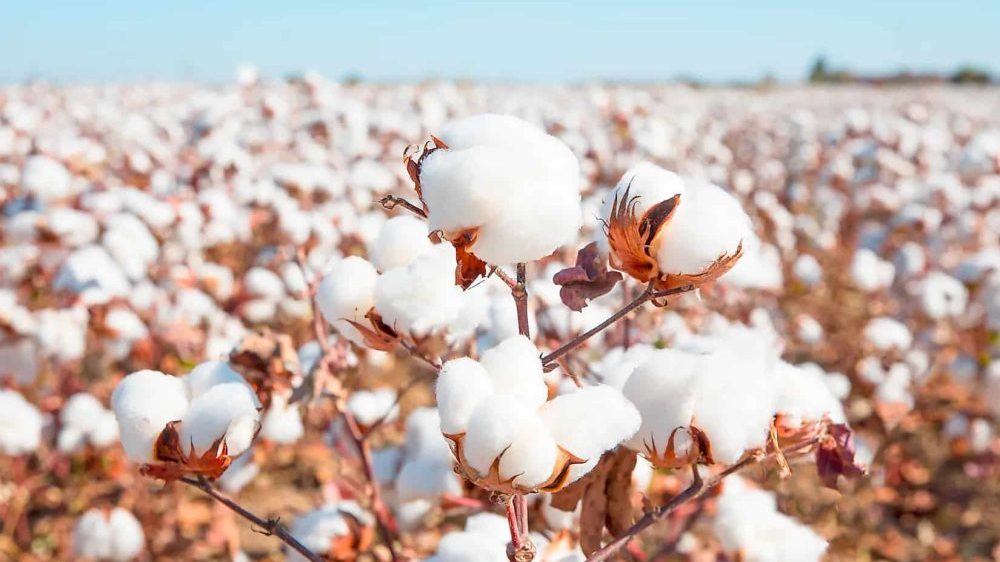
Pakistan’s cotton production for the 2025-26 season reached 5.607 million bales, a marginal increase of 1.5 percent from the previous year.
Data released by the Pakistan Cotton Ginners Association shows that the output remained 45 percent below the 10.2 million bale target set by the Federal Committee on Agriculture. The target had allocated 5.553 million bales for Punjab and 4.627 million bales for Sindh and Balochistan combined.
Punjab produced only 2.693 million bales during the season, falling about 51.5 percent short of its assigned target. In comparison, Sindh and Balochistan together produced 2.915 million bales, about 37 percent below their combined target.
Despite having a production target nearly 17 percent lower than Punjab, Sindh and Balochistan managed to outperform Punjab in actual output by roughly 7.6 percent, marking a notable shift in regional production performance.
During the year, textile mills purchased about 5.188 million bales from ginning factories, while exporters bought 100,078 bales. Remaining stocks with ginners, exporters, traders and farmers are estimated at around 400,000 bales. Out of this, only about 125,000 bales are believed to be quality cotton.
Limited availability of quality cotton and expectations of delays in global supply are likely to support domestic prices in the coming weeks. Market reports indicate that Pakistani textile mills have already signed agreements to import more than four million bales to bridge the supply gap.
Cotton arrivals are continuing, with 62,300 bales reaching ginning factories in February alone, a 348 percent increase compared with February last year. Currently, 67 ginning factories remain operational in Punjab.
Cotton analyst Ihsanul Haq says final production figures should ideally be released in early April to account for late arrivals. He also noted that production targets are calculated using a bale weight of 170 kilograms, while actual bale weights average around 160 kilograms. On this basis, the national target would rise to about 10.837 million bales, pushing the shortfall to roughly 5.23 million bales, or nearly 48 percent below target.
