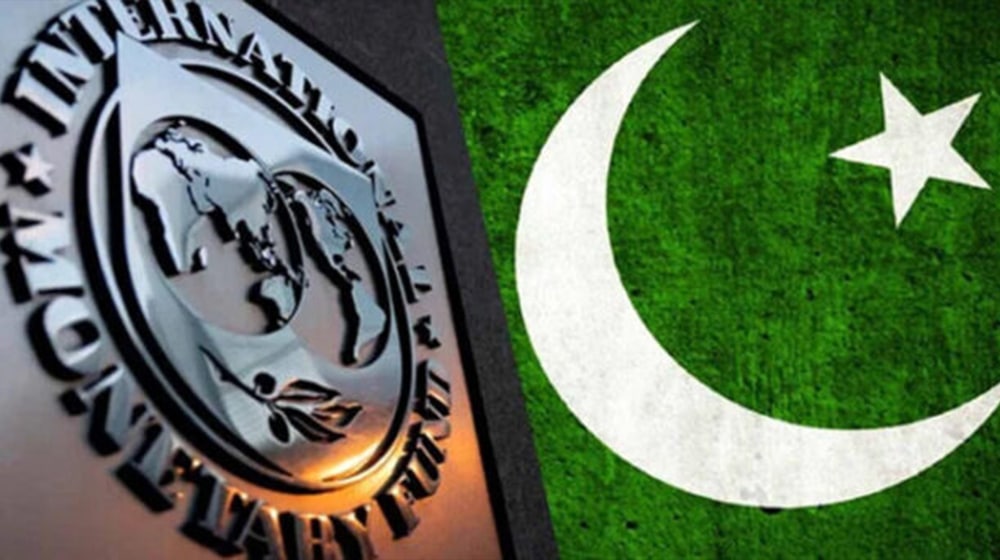
Pakistan has told the International Monetary Fund it will introduce new public procurement rules by June 2026 that eliminate preferential treatment for state-owned enterprises, as part of an effort to improve transparency and competition in government spending.
The revised rules, which have been approved by the federal cabinet and are awaiting formal notification, remove existing advantages granted to SOEs and introduce stricter oversight mechanisms for large contracts. The changes come as Pakistan works to strengthen governance frameworks under its IMF-supported reform program.
Under the proposed framework, all procurements exceeding Rs. 2 billion will require mandatory third-party evaluation, while contracts between Rs. 500 million and Rs. 2 billion will be subject to third-party validation. Independent grievance redressal and inspection committees will also be established, and pre-shipment inspections of goods will become mandatory.
The Public Procurement Regulatory Authority (PPRA) will maintain a panel of independent experts to assist government agencies in bid evaluation, validation and inspections. Direct contracting will be restricted, and all procurement transactions will be shifted to an electronic platform within 12 months.
The government plans to roll out its e-Government Procurement and Disposal System, known as EPADS, across all federal agencies and integrate it with public sector enterprises, tax records, national identity databases and audit systems by June 2027. Provincial integration is targeted for completion by December 2028.
Quarterly public procurement monitoring reports covering both development and non-development spending will also be introduced to strengthen oversight. Standard bidding documents are being revised in line with international best practices and are expected to be finalized by June 2026.
To professionalize procurement functions, federal agencies are establishing dedicated procurement cells. So far, 122 agencies have set up such units. Officials assigned to these cells will be required to obtain certification under a competency framework developed by PPRA with technical assistance from the World Bank. Since July 2024, more than 2,200 officials have received training on procurement regulations and the EPADS platform.
PPRA has also strengthened its complaint-handling mechanism under the Grievance Redressal Regulations 2021, with decisions to be published online. Its monitoring and evaluation wing will conduct investigations and issue corrective measures where needed.
Additional reforms under consideration include the use of advanced data analytics for risk-based audits, automated red flags to detect potential collusion and price anomalies, and full integration of SOE procurement into the electronic system.
The reforms were initiated in August 2024 following 24 directives from the Prime Minister’s Office aimed at structural improvements, and were not directly driven by the IMF. However, the Fund had identified weaknesses in Pakistan’s procurement framework in its Governance and Corruption Diagnostic Assessment.