Multiple Authors
SYDNEY, Australia — Consistency. That’s what Matildas coach Joe Montemurro, reflecting after his side’s heartrending 1-0 loss to Japan in the Women’s Asian Cup final, thinks is needed to ascend to a new level for the 2027 Women’s World Cup and beyond. More consistent top-level opposition, more consistent pathways and structures, and a consistent identity that underlines what Australia wants to achieve as a footballing nation.
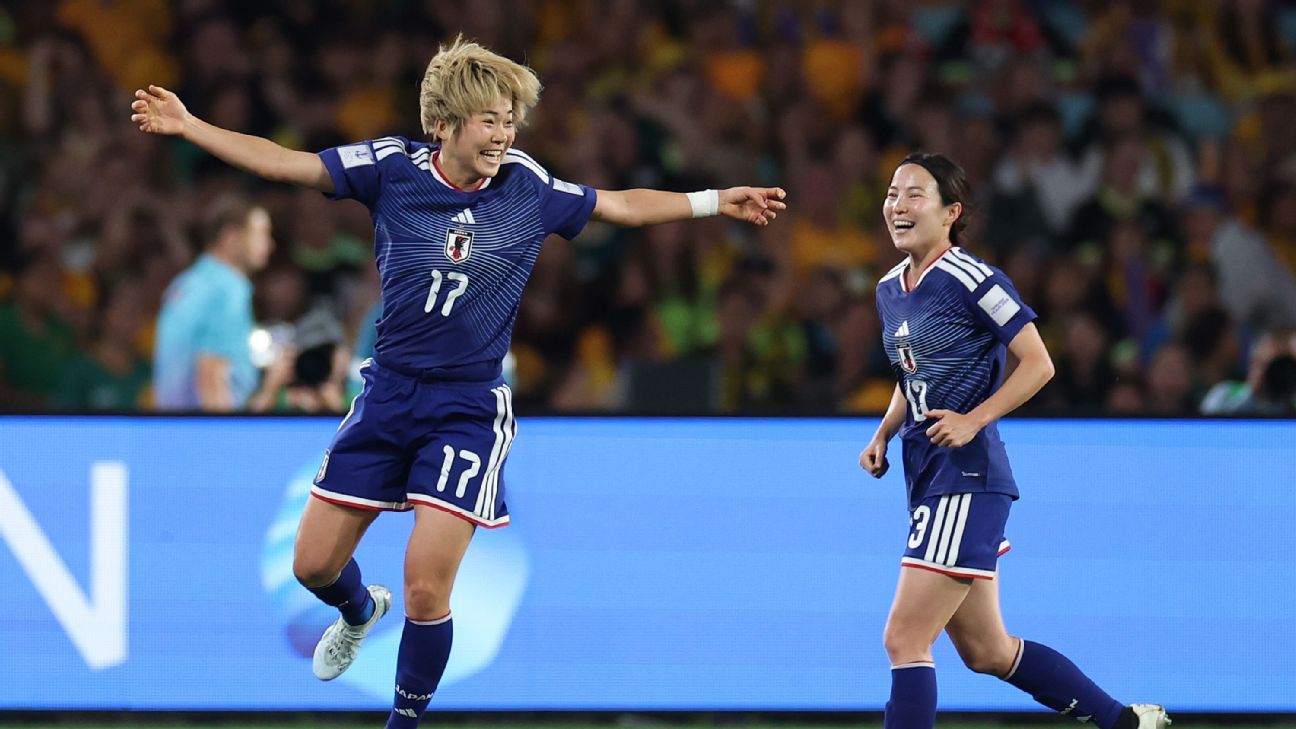
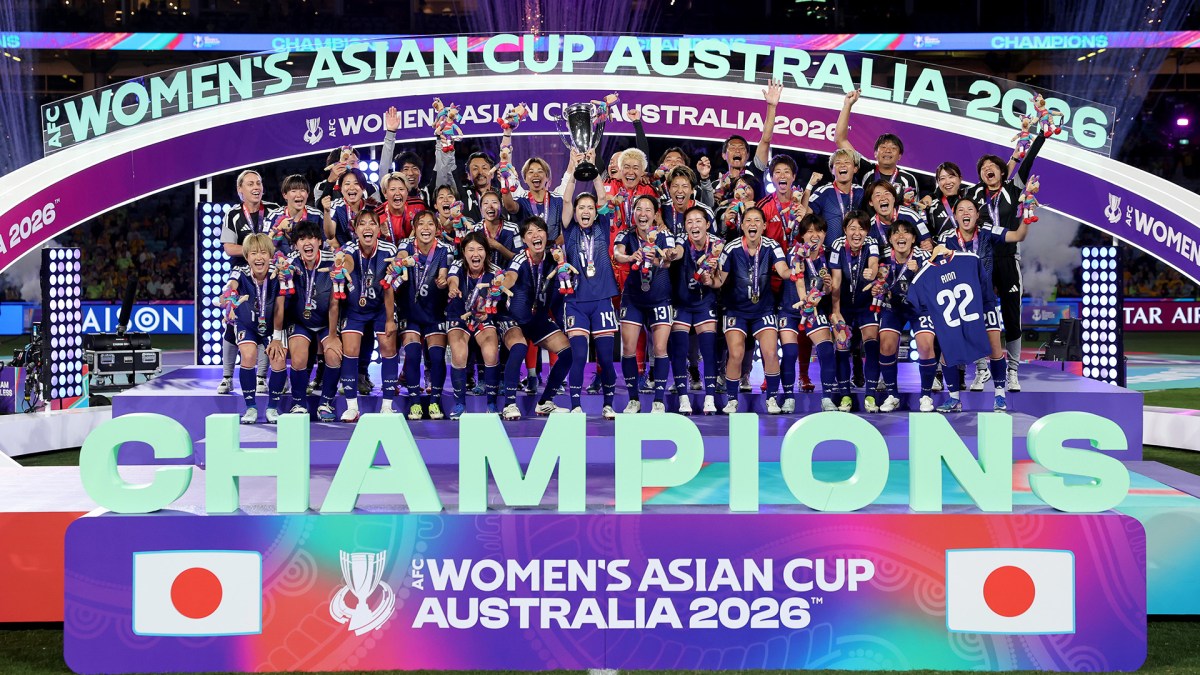
Despite staging a furious late onslaught on their opponent’s goal, inconsistent finishing consigned the Matildas to an agonising defeat in Saturday’s final, giving Nadeshiko Japan by far their sternest test of the tournament but ultimately going down to a magnificent first-half strike from Maika Hamano.
Though denying the Golden Generation that presently make up the core of the squad another chance at a trophy and making it three Asian Cup final defeats to Japan in four editions — 2026 joining 2014 and 2018 — the side’s progression to the decider did ensure that they qualified for next year’s FIFA Women’s World Cup in Brazil.
Follow the Women’s Asian Cup YOUR WAY
Follow the nations and players you love, ignore the ones you don’t. The ESPN App is the best way to get all the 2026 Women’s Asian Cup live scores, news and videos you want ANYWHERE, ANYTIME.
• Download ESPN from Google Play Store
• Download ESPN from iTunes App Store
DOWNLOAD
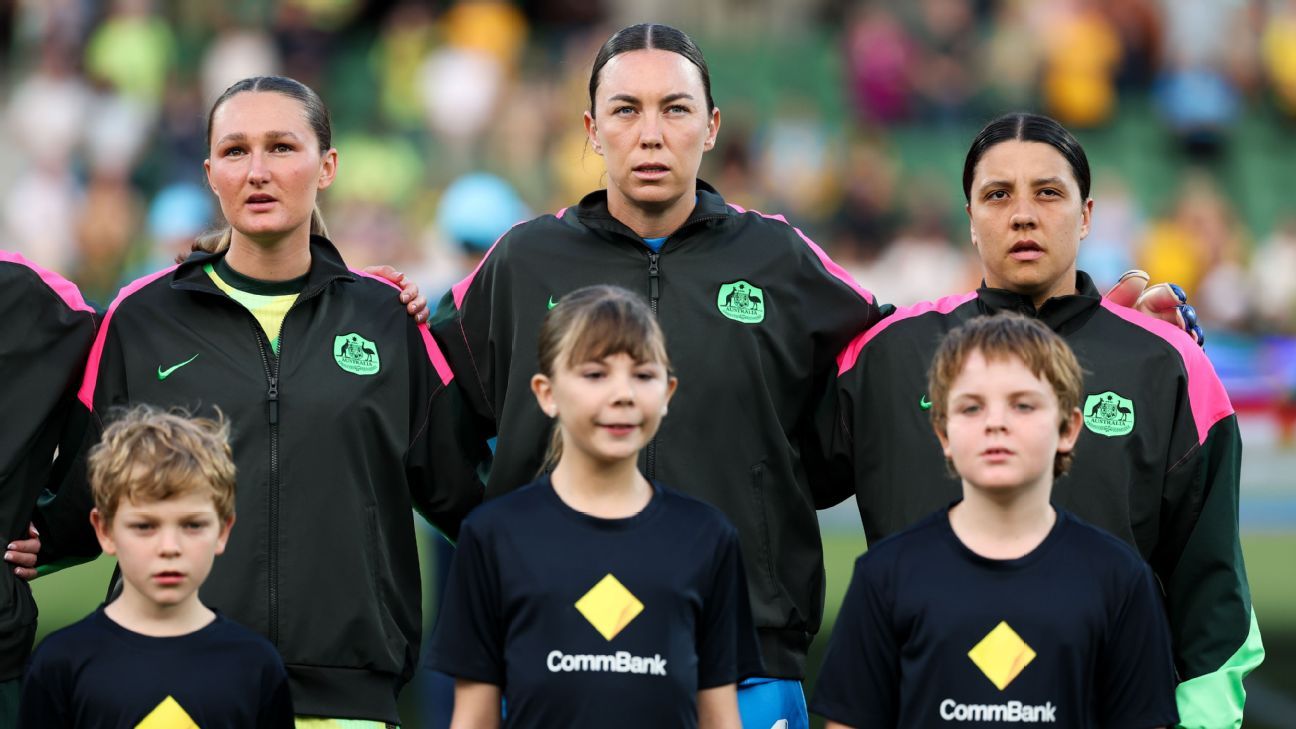
“We’ll take some time to reflect on this tournament,” said Ellie Carpenter. “Tonight was probably one of our best footballing performances in a very long while, and against an amazing, world class Japan team as well.
“The World Cup’s not long, it’s only one year away now. So that’s the next focus. For us as a team, it’s certainly up from here. This will hurt for a while, though.”
However, with the core of the Matildas squad aging — more than half the players used in the final were over 30 — how Montemurro manages bringing through a new generation of talent, while managing veterans still capable of producing at a high level, will likely define his tenure.
And as he looked ahead on Saturday, confetti from Japan’s celebration still settling on the pitch, he was clear about what was needed ahead of 2027.
“More regular, top international competition. Simple as that,” Montemurro said postgame. “We need to play top games, allowing the next group, if you want to call it that, to really be given the opportunity to feel what playing against the big crowd, playing in difficult conditions, means.
“Because tournament football at this level, is really about understanding and adapting to the situation. We need that next generation to be playing high-level football.
“But you’ve still got the core group that are at the top level themselves. So it’s very hard to say bye-bye, because they’re all playing Champions League, they’re all playing top level football. Maybe in my time, when you’re over 28 or 29 or 30, you were too old. But nowadays, with our sports science, our recovery and with our processes and our load management, players can still play on.”
– Women’s Asian Cup final talking points: Japan defeat gallant Matildas
– Filipinas beat Uzbekistan to secure spot at 2027 Women’s World Cup
– North Korea seal long-awaited Women’s World Cup return
Montemurro’s calls for a clear vision, however, stretched far beyond the opponents the Matildas will face between now and 2027. The coach joked in the postgame mixed zone about attempting to start a ‘Joe Montemurro cult’ across the local game during his brief tenure to date: working with the various levels to ascertain the strength (or lack thereof) of depth coming through, figure out strengths and weaknesses, and establish a clear, unified vision.
Australian football, of course, has a long history of jumping from one idea to another when it comes to structuring its football, both on a strategic level and a playing one. An attempt to reform the latter under now-former Chief Football Officer Ernie Merrick mothballed before it had even been released, and the release of a new outline has been flagged by now-Executive Director of Football Heather Garriock.
As Montemurro looked ahead on Saturday, confetti from Japan’s celebration still settling on the pitch, he was clear about what was needed ahead of 2027. Cameron Spencer/Getty Images
And after falling in a final to Japan once again, a nation whose long-term vision for the sport in the country has been lauded in Australia, across Asia, and beyond, Montemurro evangalised the merits of a defined vision.
“Consistency,” Montemurro said. “We have a tendency in this country to try something, it doesn’t work, we start something else, then we do something else, then we go somewhere. We’ve got to decide who we are, what we want to be, where we want to be, and stick to it.
“We’re chopping and changing, then this and that; we’ve either got to believe in an identity of who we want to be and where we want to go.
“It has to start at youth levels. And we have to now just keep that consistency going. I think our biggest problem is sticking to a program. Sticking to something and saying, this is what we believe is going to be us in the next 15-20 years.
“[Japan has] got, obviously, a bigger pool to choose from [but] they make tough decisions at young ages, and they stick to the program, they stick to their development processes. There’s a way of going about it. We, unfortunately, are different in the way we go about things. For me, it’s consistency in programs.
“But also understanding what our identity is, who we are, what we are good at, and where we think we could go?”