December 6, 2025 07:28 AM IST
First published on: Dec 6, 2025 at 07:25 AM IST
By Praveensingh Pratapsingh Pardeshi
There was a time when India didn’t just participate in Asian football, it dominated it. In 1962, India defeated Japan and South Korea on its way to winning the gold medal at the Asian Games. For today’s football-obsessed generation, this sounds almost mythical. After all, these are the same Japan and South Korea whose players now occupy elite European clubs, whose youth academies are studied worldwide, and whose footballing structure is considered a model. Yet, more than 60 years ago, India beat them with confidence. It wasn’t a fluke.
Cut to the present, where young Indians can list Lionel Messi’s diet plan, argue passionately about Premier League pressing systems, and stay awake until 2 am to watch European games, but cannot name five Indian footballers without hesitating. We adore football, but our devotion is largely imported. The passion is there, the imagination is there, but the system to channel that passion into performance has been missing for decades.
This is precisely the vacuum Maharashtra is attempting to fill through Project Mahadeva, an initiative that is quietly challenging India’s long, frustrating story of untapped football potential. What makes it refreshing is that it has actually begun at the grassroots instead of starting with glossy presentations and ending with committee meetings. Over the past months, the Western India Football Association travelled across all 36 districts, conducting one of the largest talent hunts the state has ever seen. Thousands of children turned up. Some travelled long distances from remote villages, some walked in barefoot, and many carried dreams far bigger than the grounds they grew up playing on.
From this massive pool, 30 boys and 30 girls under the age of 13 have now been selected for an intensive development pathway. They are currently training at the Cooperage Football Ground in Mumbai and the CIDCO Football Ground in Navi Mumbai, receiving structured coaching, sports-science-based fitness training, nutritional support, and exposure to regular competitive matches. Instead of occasional camps or one-time workshops, they are being put through the kind of systematic training programmes that successful footballing nations rely on — the boring but essential work that actually builds athletes.
And then comes the moment every young footballer dreams of. These children will soon get the extraordinary opportunity to meet and train with Messi during his GOAT Tour visit to Mumbai. For any adult, meeting Messi would be unforgettable; for a child, it is likely to be transformational. It is the kind of memory that turns raw talent into relentless ambition. Add to this the involvement of international coaches and modern youth-development methods, and suddenly the dream of building future Indian stars feels logical.
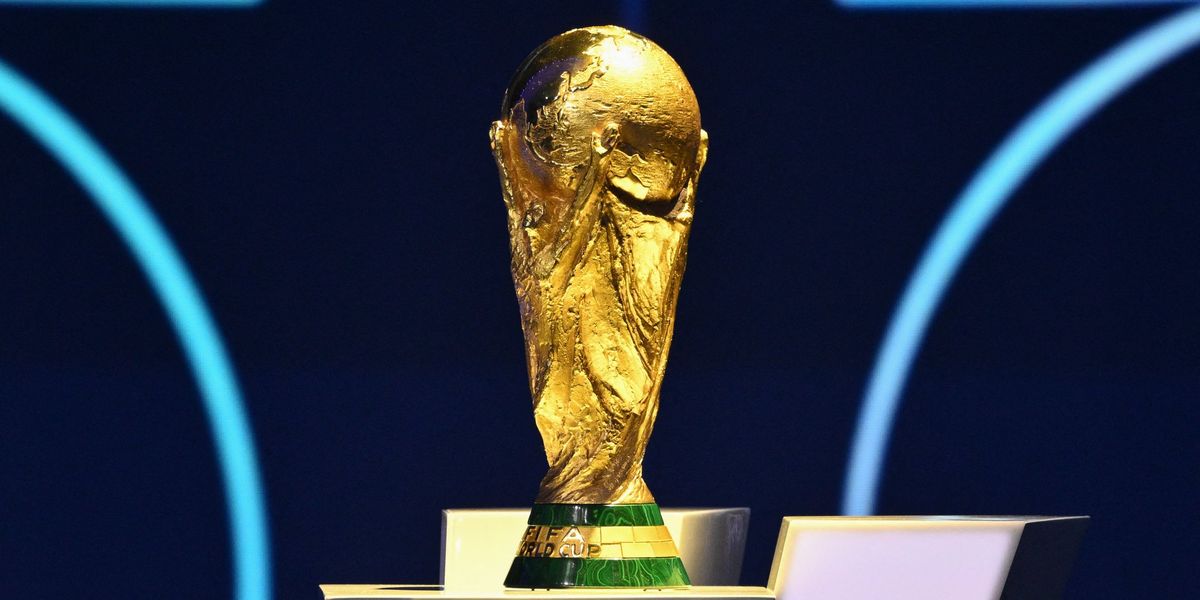
The larger goal is one the country must take seriously. India has an explicit ambition of qualifying for the 2034 FIFA World Cup. With the tournament expanding to 48 teams, the path is tough but not impossible. But this ambition cannot be met through last-minute camps or imported quick fixes. It can only be achieved through a sustained pipeline of trained, disciplined, technically sound young players who begin early and stay in the system. The 60 children in Project Mahadeva represent the first generation of such talent. If they succeed, they could form the spine of a future national team.
This is why Project Mahadeva deserves attention beyond its headlines. It is sending a quiet but powerful message: The next chapter of Indian football will be written not by committees but by children on real training grounds, coached systematically from a young age. The glory of 1962 should not remain a nostalgic anecdote; it should be a reminder of what India once was and what it can become again.
If supported, encouraged, and amplified, these 60 children could rewrite India’s footballing destiny. And if, one day, some of them walk onto a World Cup field with India’s colours on their shoulders, the story that began in 1962 will finally find its long-awaited sequel — this time, written by a new generation of Maharashtra’s young dreamers through Project Mahadeva.
The writer is CEO, MITRA and chief economic advisor to the chief minister, Maharashtra