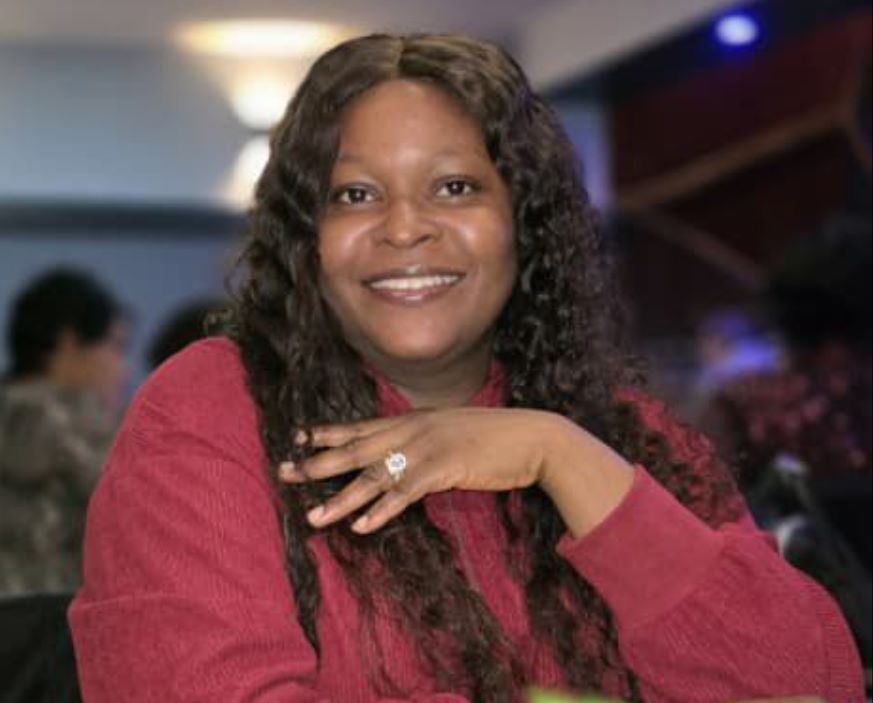
Source: Facebook / Julietezinne Onah
Every day in Nigeria, thousands of working people chase the illusion of “good enough.” A government job. A salary. The promise is that if you work hard and follow the rules, you will eventually reap the reward of your labor. For many, that promise never materializes.
For this Nigerian woman, now navigating cold winters and Duolingo lessons somewhere in Germany, her breaking point came quietly, on a roadside, while about seven women selling wares in the heat scraped together ₦1,000 to pay for a sick old man’s keke ride home. That old man was a retired civil servant.
In an exclusive conversation with FunTimes Magazine, Juliet Ezinne Onah, who left Nigeria in 2024 and currently resides in Germany, opens up about the moment that changed everything, what it really feels like to start over in a foreign land, and why, even after all of it, she still believes there is no place like home.
Tell us about your life before you left Nigeria.
Life was not really fair. I worked as a civil servant, but my salary could not meet my basic needs. At the same time, I had a sick father and many responsibilities to take care of.
Many people leave Nigeria for economic reasons, but there is often one specific moment that seals the decision. Which moment convinced you it was time to leave Nigeria?
One particular experience completely changed my perspective. I met a retired civil servant who had just returned from a physical verification exercise. Because of his poor health and hunger, he collapsed. Some concerned Nigerians gathered to help, and I personally called a keke rider to take him home. The fare was ₦4,000. Although I didn’t have much, I contributed ₦3,000. What struck me deeply was that it took about seven women, mostly roadside hawkers, to raise the remaining ₦1,000.
At that moment, I saw myself in that man’s situation. I realized that if nothing changed, in the next 30 years, I could end up just like him. That realization pushed me to make a decision about my future.
What were your first experiences like settling in Germany?
Moving to a new country can be challenging, but with the help of a few Nigerian students who were already familiar with the system, I was able to find my way. They guided me through many important processes.
Even though I faced several challenges, I stayed focused and kept pushing because I had already prepared myself mentally for difficulties. I am still adapting, but it’s getting easier by the day.
Language must have been a major hurdle. How did you handle that?
I actually started learning German while I was still in Nigeria, using Duolingo. So by the time I arrived, I was not starting from zero. Currently, I attend a language school, which is necessary for integration and helps improve my communication daily.
Also, during hospital visits and other appointments, I politely ask if I can speak English, and most of the time, accommodations are made.
Discover More Migrant Stories of other Africans abroad.
Have you experienced discrimination or cultural differences?
I try to approach people with kindness. This mindset helps me avoid feeling isolated.
What cultural differences stood out to you the most?
Germany is very structured when it comes to time and rules. People are law-abiding, and they value punctuality.
What advice would you give to someone planning to move abroad?
Learn the language, do your research, and be prepared to work hard.
What is one thing people back home in Nigeria get completely wrong about living in Germany?
One thing people back home in Nigeria often get wrong about living in Germany is that life here is easy. In reality, life abroad is not easy, but you can gradually adapt and succeed if you stay patient and focused. I also think social media doesn’t always show the full picture. People mostly share the good parts, but not the effort and adjustment it takes to settle in. From my experience, you have to work hard and be disciplined to build a stable life here.
Would you encourage other Nigerians to make the move to Germany? What would you tell them honestly?
I would still encourage others to make the move, but with the right mindset. The kind of basic life many people struggle to achieve back home becomes more attainable here once you have a stable job. The healthcare system is very reliable. As long as you are paying your insurance, you are covered. Transportation is also well organized; you just need to follow the rules and pay accordingly. Even in emergencies, the system works 24/7, which gives a sense of security. So my honest advice is: come prepared, be ready to work, and don’t expect things to be easy at the beginning, but with time, it gets better.
Is life in Germany worth the sacrifice?
It is worth the sacrifice, but it requires effort.
If Nigeria became everything you hoped it could be in the near future, would you move back permanently?
At the end of the day, there is no place like home.