Historic strike ends 36-year rule; Iran launches missile barrages; global powers brace for escalation
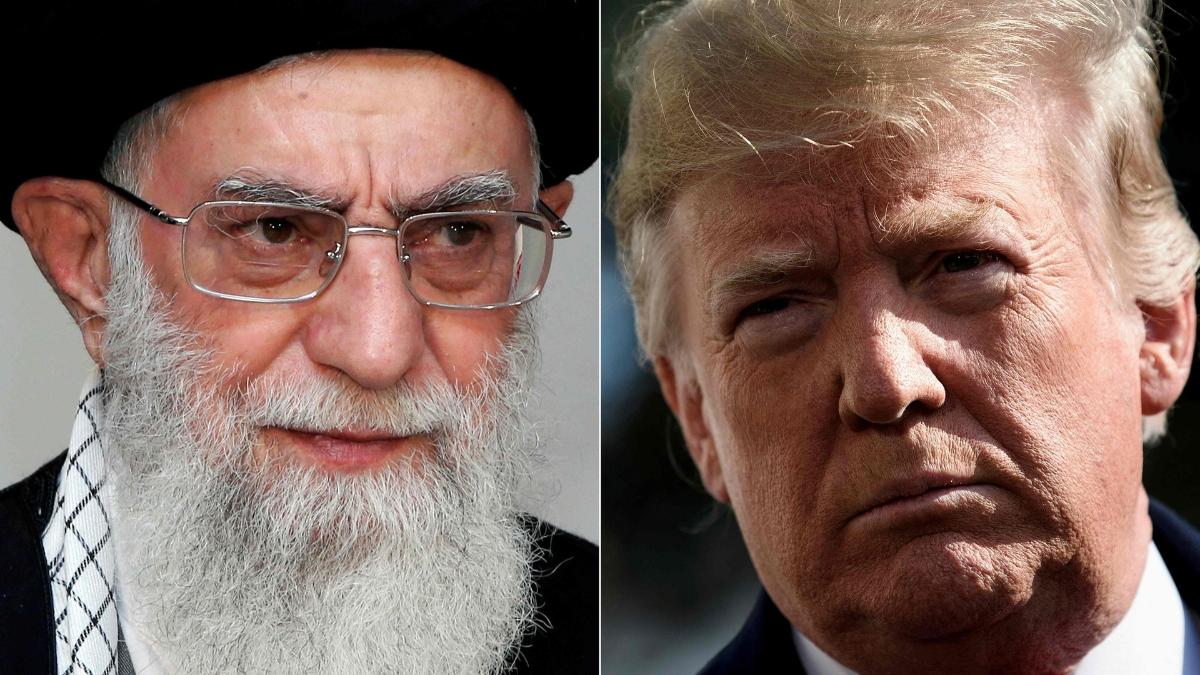
Tehran / Washington / Jerusalem – March 1, 2026 In one of the most dramatic geopolitical events since the 1979 Iranian Revolution, Iran’s Supreme Leader Ayatollah Ali Khamenei was killed on February 28 during a joint U.S.-Israeli military operation targeting his secure compound in Tehran.
The 86-year-old Khamenei, who had held absolute authority as Supreme Leader since 1989, died along with several top regime figures when Israeli jets — supported by U.S. intelligence and forces — launched approximately 30 precision-guided bombs on an emergency meeting of senior officials. Confirmed dead in the strike were:
- Defense Council Secretary Ali Shamkhani
- Defense Minister Brigadier General Aziz Nasirzadeh
- IRGC Commander General Mohammad Pakpour
The CIA reportedly provided critical real-time intelligence on Khamenei’s location after months of surveillance. Israeli officials stated the meeting presented a rare opportunity to eliminate multiple high-value targets simultaneously. President Donald Trump described the operation as “ahead of schedule” and urged regime change in Iran, while Israeli leaders emphasized the goal of “dominating the skies” and dismantling the regime’s leadership structure.
The Pentagon confirmed that 3 U.S. service members were killed and 5 were wounded in related operations against Iranian targets.
Immediate Retaliation and Regional Fallout
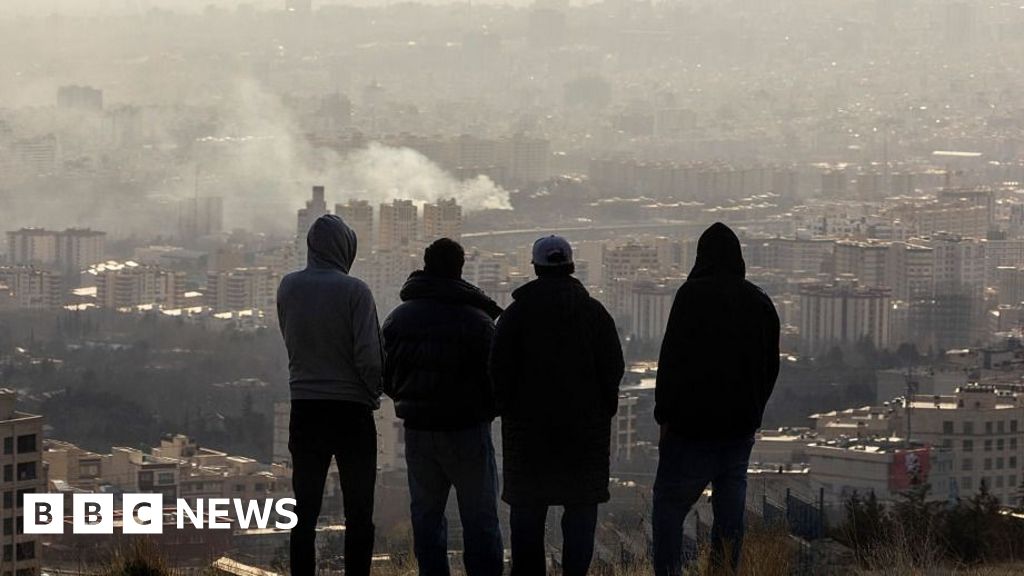
Iran launched retaliatory missile and drone strikes hours after the attack, targeting Israeli military sites and U.S. assets in the region. Casualties have been reported on multiple fronts, with explosions reported in Tel Aviv, Haifa, and near U.S. bases in Iraq and Syria. Iranian state media vowed “severe revenge” and declared a state of emergency.
The strike has triggered massive global concern. Oil prices surged more than 15% in early trading, Gulf states placed military forces on high alert, and world leaders called for de-escalation. The United Nations Security Council scheduled an emergency session for March 2.
Khamenei’s Legacy and the Power Vacuum
Khamenei’s 36-year rule was defined by staunch anti-Western policies, support for proxy militias (Hezbollah, Houthis, Hamas), and advancement of Iran’s nuclear program. His death creates an immediate power vacuum: the Assembly of Experts must now select a successor, while hardliners and the IRGC vie for influence amid internal chaos.
The operation reflects the Trump administration’s aggressive posture toward Iran, including failed negotiations and prior escalations involving drone attacks and missile exchanges.
L’Union Suite will continue monitoring developments, including Iran’s retaliation, regional responses, and the implications for global stability — particularly in the Caribbean and Latin America where Iranian influence has grown through alliances and proxy networks.
The world holds its breath.