Home borrowers are facing another interest rate rise in coming months with inflation still soaring by an annual pace of 3.8 per cent in January.
The consumer price index was above the Reserve Bank of Australia’s 2-3 per cent target for the sixth straight month, with headline inflation failing to moderate from December’s high level.
The Federal government’s $75 quarterly electricity rebates expired at the end of last year, sparking a 32.2 per cent annual surge in power prices.
Sign up to The Nightly’s newsletters.
Get the first look at the digital newspaper, curated daily stories and breaking headlines delivered to your inbox.
By continuing you agree to our Terms and Privacy Policy.
Strong overseas demand for Australian red meat, despite US President Donald Trump’s tariffs, led to a 11.2 per cent increase in beef prices.
A global shortage of coffee beans, as a result of bad weather, led to a 13.5 per cent increase in tea and cocoa prices.
The start of the school year also brought bad news for parents, with education costs rising by 5.4 per cent as private school fees increased.
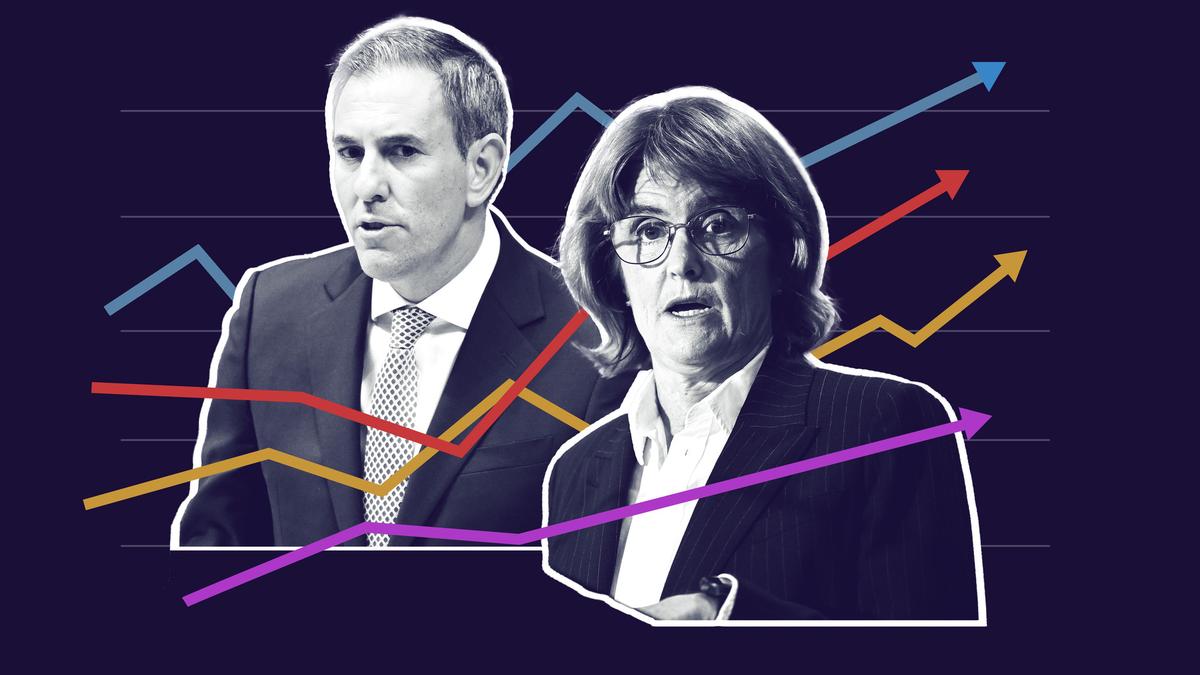
But even without volatile items, underlying inflation was still high, with the trimmed mean measure growing by 3.4 per cent over the year, suggesting RBA Governor Michele Bullock and her monetary policy board’s three rate cuts in 2025 may have been premature.
National Australia Bank had expected headline inflation to remain at 3.8 per cent while Westpac saw it moderating to 3.6 per cent, with both major banks forecasting another RBA rate rise in May, following the release of March inflation data.
This puts pressure on Treasurer Jim Chalmers to cut spending, with Ms Bullock acknowledging that both public and private demand are adding to inflationary pressures.