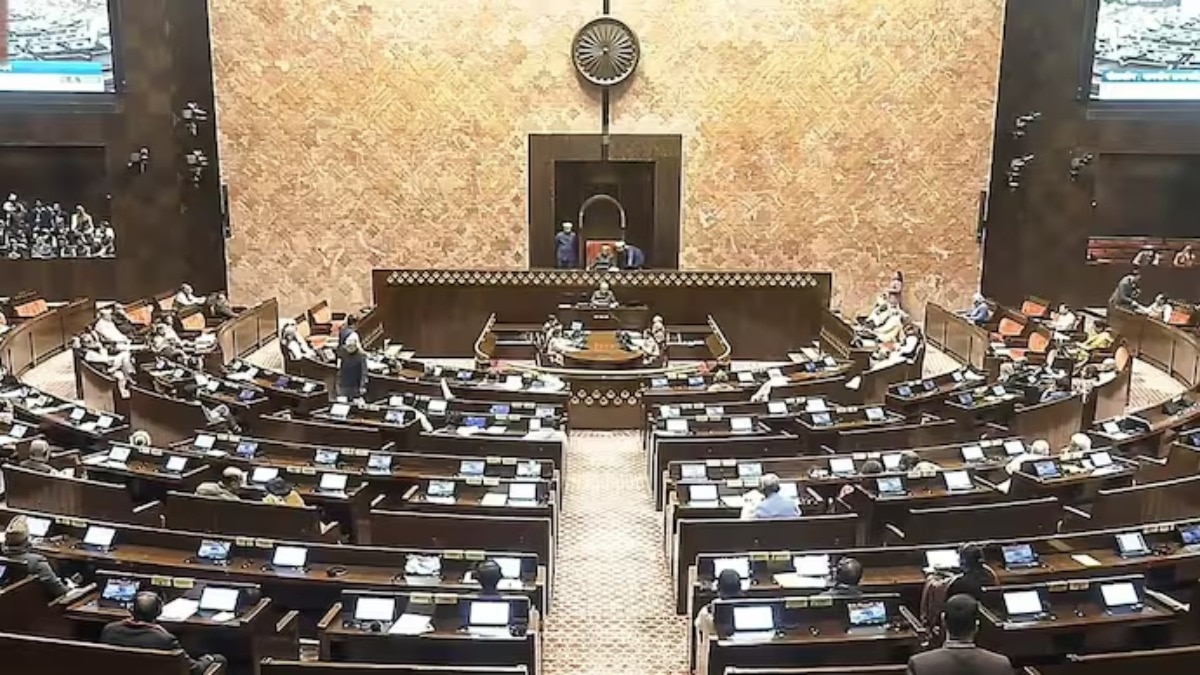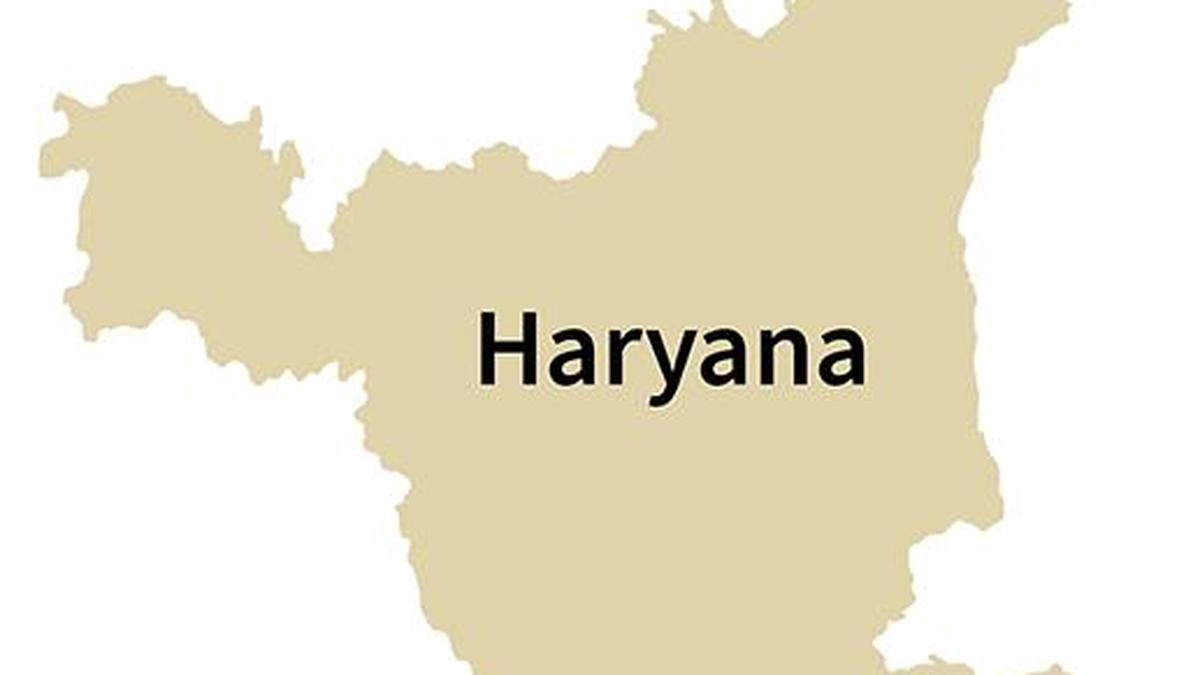
The Congress and the Bharatiya Janata Party’s (BJP) picks for the two seats to the Rajya Sabha that went to polls in Haryana on March 16, 2026 were predictable, as it was driven by caste calculations. The elections were necessitated due to BJP leaders — Kiran Choudhry, a Jat, and Ram Chander Jangra, belonging to the Backward Classes (BCs) — completing their respective terms in the Upper House. However, this time, the BJP chose to nominate Sanjay Bhatia, a Punjabi, in an effort to consolidate its non-Jat vote bank, and to tighten the grip over its regional bastion, the ‘GT Road belt’, a swath of constituencies along the National Highway (NH)-44. The Congress too stuck to its Jat-SC-Muslim formula, nominating Karamvir Boudh, who is from a Scheduled Caste (SC).
Even as the two national parties, which had finished neck-and-neck in the 2024 Assembly polls, vie to firmly hold on to their vote banks and regional strongholds in the State, they have also unleashed political battles to make inroads into each other’s traditional bastions.
Long-term game plan
After falling short of the majority mark in the previous Assembly election, the Congress undertook a major restructuring of its State unit last year. It appointed Rao Narender Singh, a Backward Class leader, as its State party president — the first such appointment in over two decades, replacing a SC leader. In his appointment, the Grand Old Party is aiming to not just woo the BCs, the core vote bank of the ruling BJP led by Chief Minister Nayab Saini, who also belongs to the BCs, but is also trying to breach the saffron party’s south Haryana fortress — the Ahirwal belt. The ‘Ahirs’ or the ‘Yadavs’, categorised as BCs in Haryana, and largely settled across the Gurugram-Rewari-Mahendragarh belt, have supported the BJP since 2014, playing a key role in the party’s record three consecutive wins in the State elections. With the appointment of Mr. Singh, an Ahir leader, the party hopes to cash in on the political rivalry between the BJP’s two Ahir stalwarts, Union Minister of State Rao Inderjit Singh and Haryana Environment Minister Rao Narbir Singh, to re-establish itself in the region. Of the 32 district presidents appointed by the Congress last year, 10 were from the Backward Classes, signalling the party’s shift away from its Jat-centric voter base towards a more inclusive caste coalition.
The BJP, for its part, thriving on a non-Jat and BC vote bank, has gradually increased its political outreach towards the Meo Muslims, who are the dominant group in at least five Assembly seats such as Nuh, Punhana, Ferozepur Jhirka, Hathin and Sohna. Over the past decade, Hindutva organisations have increased their activities in the Meo-Muslim dominated Nuh district. In December 2025, a 10-day ‘Vande Bharat Ekta Yatra’ traversed through 200 villages in Nuh. Touted as an apolitical march to raise issues around poor infrastructure, it bore an unmissable saffron stamp with several local BJP leaders taking part in it. The BJP has also been trying to lure prominent local political leaders from other parties as part of its long-term strategy to find a foothold in this region.
Regional players
Reduced from 31 MLAs in 2009 to just two in 2024, the Indian National Lok Dal (INLD) has declared to take the fight to former Chief Minister Bhupinder Singh Hooda’s bastion Rohtak, the epicentre of Jat politics in Haryana. It held a rally in Rohtak last September to commemorate the 112th birth anniversary of late Deputy Prime Minister Chaudhary Devi Lal in order to reclaim its lost political ground in the Jat-dominated Sonipat-Rohtak-Jhajjar belt. The INLD, led by Abhay Chautala, hopes to turn around its political fortunes by winning back a portion of the Jat and Muslim vote bank, which has now shifted to the Congress. As part of its strategy, the party is set to hold a State-level youth conference in Jind’s Narwana on March 23 and organise several meetings in Nuh.
Aiming to re-engage with its agrarian base, mostly the Jats, the Jannayak Janta Party too, led by Ajay Chautala, held a rally in the agricultural region of Hansi. Hansi is considered a bastion of the saffron party.
Even as political parties in the State seek to chip away at each other’s vote banks, the BJP stands to benefit the most with the tug-of-war between the two Chautala-led factions and the Congress for the Jat vote bank, who form one-fifth of the total electorate.
Published – March 17, 2026 01:29 am IST