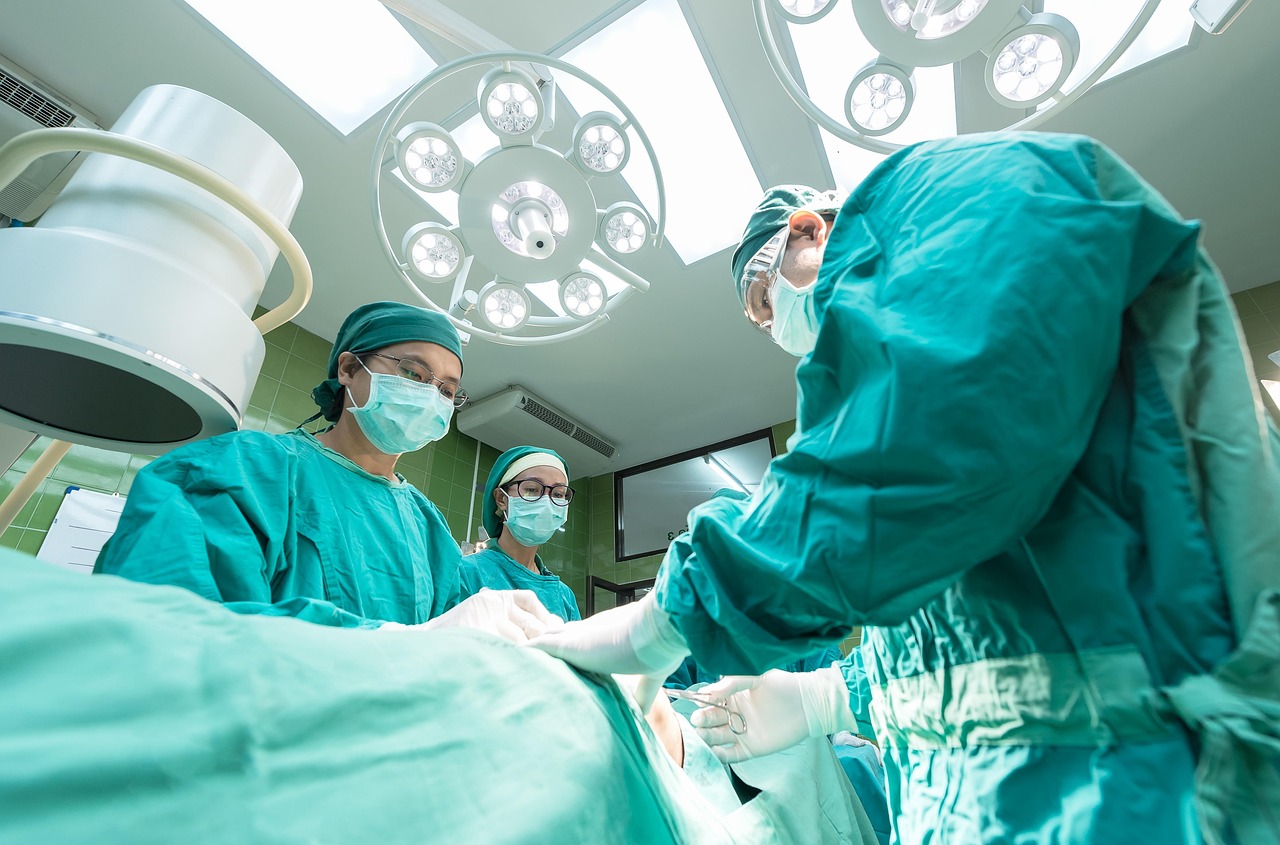
Gallbladder removal surgery, also known as laparoscopic cholecystectomy, is one of the most common procedures performed to treat gallbladder conditions such as gallstones, inflammation, or infection. Often called a keyhole gallbladder operation, it’s a minimally invasive technique that allows patients to recover faster and experience less discomfort compared to traditional open surgery.
Understanding how the procedure works and what to expect during gallbladder surgery recovery helps patients prepare for a smoother healing process and informed post-operative care.
What Is Gallbladder Removal Surgery?
Gallbladder removal surgery is a medical procedure designed to remove the gallbladder — a small, pear-shaped organ located under the liver that stores bile. Bile helps digest fats, but when gallstones or inflammation occur, they can block bile ducts, causing severe abdominal pain, nausea, and digestive issues.
The most common method used today is laparoscopic cholecystectomy, which involves small incisions and the use of a thin tube fitted with a camera (a laparoscope). Surgeons perform the operation using specialized instruments, avoiding the need for one large incision typical of open surgery.
Laparoscopic surgery offers several advantages: smaller scars, reduced pain, lower risk of infection, and a quicker post-op recovery time. In most cases, patients can go home the same day or within 24 hours.
People often wonder whether gallbladder removal is a major surgery. While it is a surgical procedure requiring general anesthesia, the laparoscopic approach significantly minimizes trauma to the body, making it less invasive and easier to recover from than open operations.
How Laparoscopic Cholecystectomy Is Performed
A keyhole gallbladder operation typically follows several precise steps. Before surgery, patients undergo imaging tests such as ultrasound or CT scans to assess the gallbladder’s condition and confirm the presence of gallstones or inflammation.
- Preparation and anesthesia: Patients receive general anesthesia to ensure they’re asleep and pain-free during the operation.
- Creating incisions: The surgeon makes a few small cuts in the abdomen, usually around the navel and upper stomach area.
- Insertion of the laparoscope: Through one incision, a thin tube with a tiny video camera (laparoscope) is inserted. This allows the surgeon to view the gallbladder and surrounding organs on a monitor.
- Removal of the gallbladder: Using delicate surgical instruments inserted through other incisions, the gallbladder is carefully separated from the liver and bile duct before being removed through one of the openings.
- Closing the incisions: Once the procedure is complete, the small incisions are closed with sutures or surgical tape.
The entire surgery typically takes about 45 to 90 minutes. Most patients experience mild discomfort or shoulder pain afterward, caused by the gas used to inflate the abdomen during the procedure. This discomfort usually subsides within a few days.
What Happens After Gallbladder Surgery
After a laparoscopic cholecystectomy, patients are taken to a recovery area for monitoring as they wake up from anesthesia. If the surgery is uncomplicated and vital signs remain stable, many can return home later the same day, according to Mayo Clinic.
During the first few days of gallbladder surgery recovery, mild abdominal soreness, fatigue, or bloating are common. Pain is often managed with prescribed or over-the-counter medication. Patients are encouraged to walk short distances to prevent blood clots and promote healthy circulation.
Diet plays an important role during early recovery. Doctors usually recommend starting with light, low-fat foods and gradually reintroducing a normal diet as the digestive system adjusts to the absence of the gallbladder.
Some people experience mild changes in digestion, particularly when eating high-fat or greasy meals, but this often improves over time.
Gallbladder Surgery Recovery Time and Post-Op Care
Recovery time after gallbladder removal surgery varies depending on the patient’s health, age, and whether the procedure was laparoscopic or open.
For a laparoscopic cholecystectomy, most people can resume normal activities within one to two weeks. Some may return to light work within a few days. In contrast, open surgery typically requires a hospital stay of a few days and up to six weeks for full recovery.
Key factors that influence post-op recovery time include proper wound care, following dietary advice, and avoiding heavy lifting until cleared by a doctor. Patients should also watch for warning signs such as increased pain, swelling, fever, or jaundice, which could indicate infection or complications.
Light activity, gentle walking, and rest are all crucial in the early weeks. Following the surgeon’s instructions is the best way to avoid setbacks and ensure a safe recovery.
Diet and Lifestyle After Gallbladder Removal
Living without a gallbladder is entirely possible, as the liver continues to produce bile even after surgery. However, bile flows directly into the small intestine instead of being stored, which can affect how the body digests fats at first.
During gallbladder surgery recovery, patients may notice temporary digestive changes such as frequent bowel movements or mild bloating. A balanced diet that limits fatty, spicy, and processed foods can help ease these symptoms.
Recommended foods include:
- Lean proteins such as chicken, fish, and tofu
- Fruits and vegetables high in fiber
- Whole grains and low-fat dairy
- Smaller, more frequent meals instead of large, heavy ones
Over time, most people can return to a normal diet without issue. Maintaining a healthy weight and following a balanced eating plan also supports long-term digestive health after laparoscopic cholecystectomy.
Risks and Complications of Laparoscopic Cholecystectomy
Although gallbladder removal surgery is considered safe, like all procedures it carries some risks. The most common issues include minor bleeding, infection at the incision sites, or leakage of bile from the bile ducts. Rarely, injury to nearby organs or ducts can occur.
Complications are relatively uncommon and are typically treatable when detected early. Patients should call their doctor immediately if they experience persistent pain, fever, yellowing of the skin or eyes (jaundice), or fluid leaking from the incisions, as per Johns Hopkins University.
Choosing an experienced surgical team and following all post-operative instructions greatly reduces the likelihood of complications and promotes faster healing.
When to Contact a Doctor During Recovery
During post-op recovery time, it’s important to be aware of concerning symptoms that require medical attention. These include:
- Increasing abdominal pain or swelling
- Redness or pus around incision sites
- Fever or chills
- Nausea or vomiting persisting beyond a few days
- Shortness of breath or chest pain
Regular follow-up visits allow doctors to ensure that healing is on track and that there are no signs of infection or bile leakage. These appointments also provide an opportunity to discuss dietary adjustments and return-to-work plans.
Adjusting to Life After Gallbladder Removal Surgery
For most individuals, gallbladder removal surgery offers relief from painful gallstones and the digestive discomfort associated with gallbladder disease. Thanks to modern laparoscopic cholecystectomy techniques, the keyhole gallbladder operation allows for smaller incisions, shorter hospital stays, and faster gallbladder surgery recovery.
With attentive care, a gradual return to normal activities, and attention to diet, patients typically regain their energy and well-being within weeks. Understanding the post-op recovery time and knowing what to expect helps ensure a confident and healthy return to everyday life after the procedure.
Frequently Asked Questions
1. Can gallbladder removal affect your weight?
Some people notice minor weight changes after surgery, often linked to dietary adjustments. However, the procedure itself does not cause weight gain or loss.
2. How long after gallbladder surgery can you travel?
Most patients can travel within one to two weeks if recovery is smooth. Long trips should be delayed until a doctor confirms it’s safe.
3. Is it normal to feel tired weeks after surgery?
Yes, mild fatigue is common as the body heals and adapts. Rest, hydration, and balanced meals can help restore energy levels.
4. Can you drink coffee after gallbladder removal?
Yes, in moderation. However, strong or highly caffeinated coffee may cause mild digestive upset in early recovery, so it’s best reintroduced gradually.