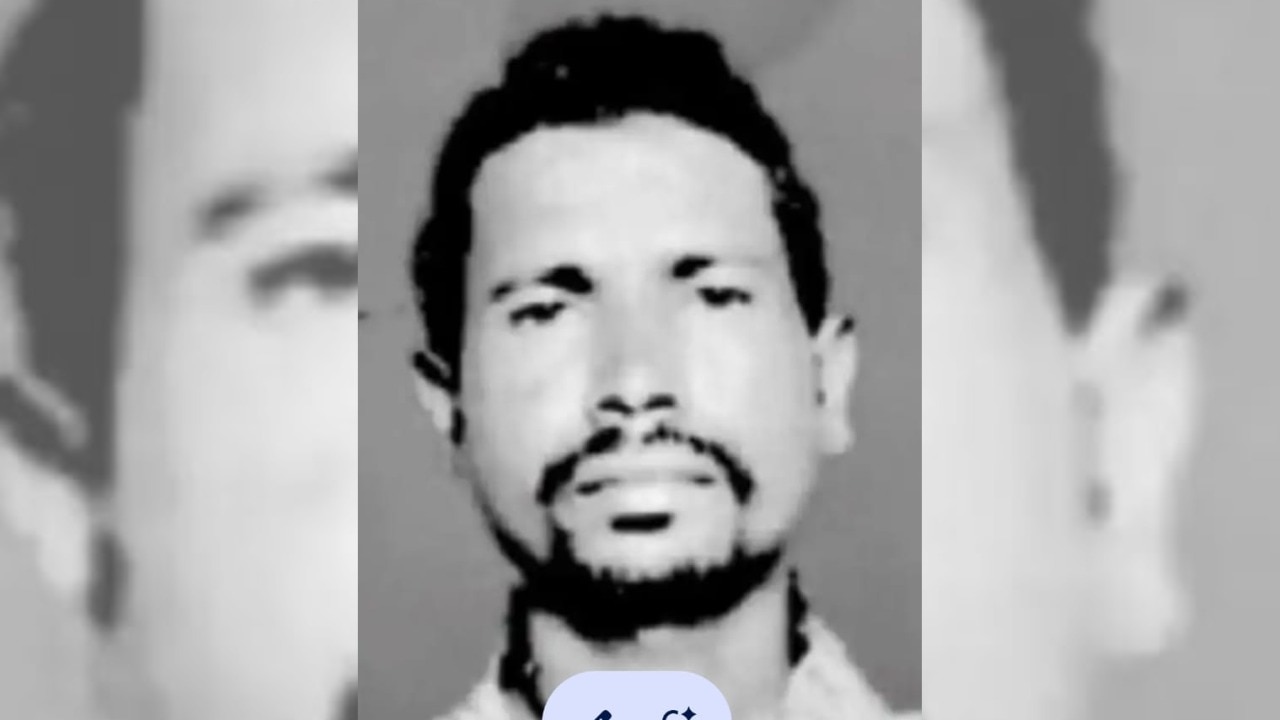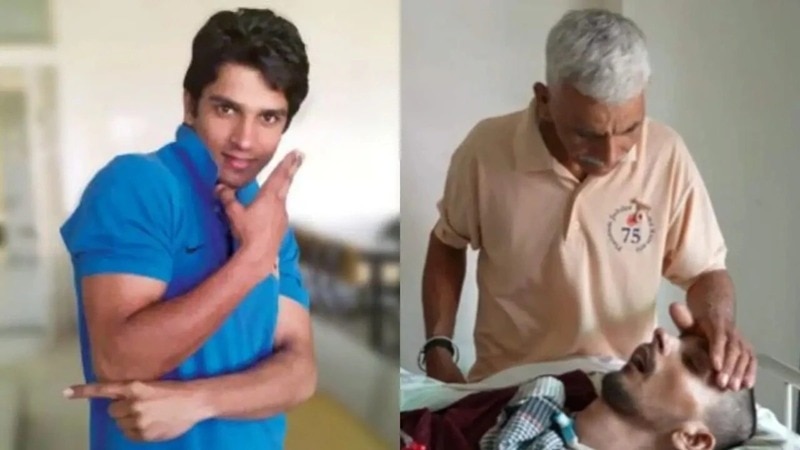
After 13 years in a vegetative state, 32-year-old Harish Rana was on Saturday shifted from Ghaziabad to AIIMS Delhi following a Supreme Court order permitting passive euthanasia. Doctors will now gradually withdraw life support under medical supervision, aiming to end his prolonged suffering.
A video circulating on social media captured a deeply emotional farewell at Rana’s home in Ghaziabad. Shot Friday, it showed a Brahma Kumaris sister with tearful eyes offering final words: “Forgive everyone, ask forgiveness from all, now it’s time to go. It’s okay”.
Read Full Story
Harish’s family, particularly his father Ashok Rana, has been devotedly caring for him for over a decade. Members of the Rajnagar Extension AOA and local society recall the family’s unwavering service, aided by their long association with the Brahma Kumaris center. On March 13, spiritual leader Sister Kumari Lovely Didi visited the Rana household, performing a ritual tilak and praying for him.
The case marked India’s first court-sanctioned passive euthanasia. Harish’s prolonged condition followed a severe brain injury from a fall 13 years ago. While medical experts agreed his state was irreversible, the Supreme Court had to clarify that withdrawal of nutrition and medical tubes– beyond ventilator support — could legally constitute passive euthanasia.
A bench of Justices JB Pardiwala and KV Viswanathan delivered the historic verdict, enabling the family to end life support in a hospital setting, allowing Harish Rana to die with dignity. The case has sparked fresh debate in medical and legal circles about end-of-life rights in India.
Rana, an engineering student at Panjab University and a football-loving sporty young man, suffered head injuries after falling from the fourth floor of his paying guest accommodation in 2013 and has been in a coma since.
Shortly after the ruling, the father of Harish Rana said that the Supreme Court permitting the withdrawal of artificial life support to his son won’t bring any personal benefit to the family but in the larger public interest, the decision could help others facing similar situations.
“As a father, it is extremely painful. No parent would ever want to see their son in such a condition. We believe that in the larger public interest, the decision could help families of many people who may be in a condition like Harish,” Ashok Rana, who had pleaded before the Supreme Court that allowing passive euthanasia will restore his son’s dignity after years of irreversible suffering, had said.
– Ends
Published By:
Sahil Sinha
Published On:
Mar 15, 2026 23:43 IST
Tune In