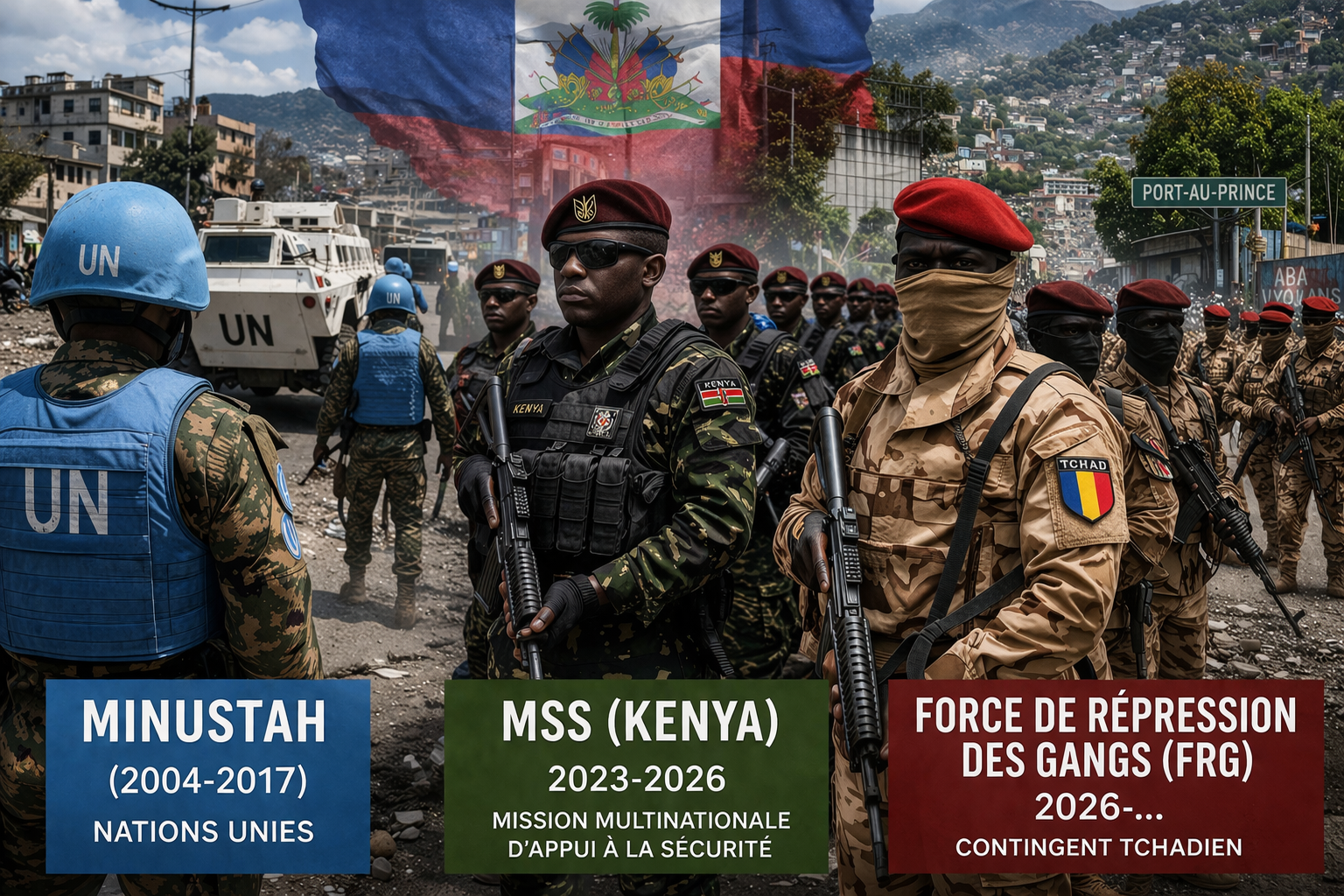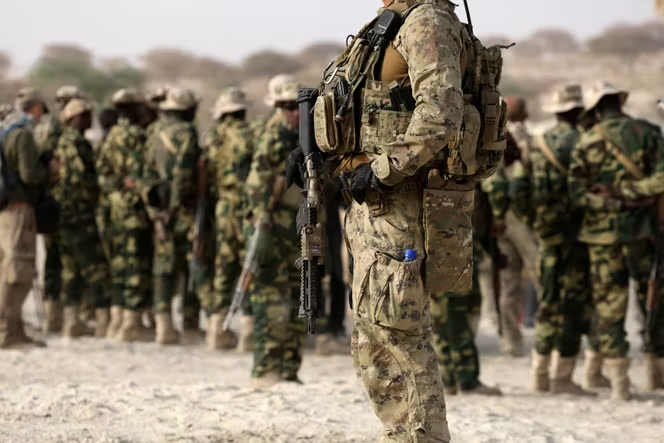
As a new international security force begins deploying in Haiti, the mood on the ground is far from celebratory. For many Haitians, this is not a moment of relief, but of uneasy déjà vu. The country has been here before, repeatedly welcoming foreign missions that arrived with promises of stability, only to leave behind mixed results and, at times, deep scars.
From the UN missions of the past decades to various multinational interventions, Haiti’s experience with international forces has been, at best, complicated. While some operations helped temporarily reduce violence or support elections, others became synonymous with failure, controversy, and unintended consequences. The introduction of cholera by peacekeepers in 2010, which killed thousands, remains a painful symbol of how international involvement can go tragically wrong. Allegations of abuse and a lack of accountability have further eroded trust.
Today, as gangs control large portions of territory and state institutions struggle to function, the need for security is undeniable. Many Haitians recognize that their national police are overwhelmed and under-resourced. In this context, the arrival of a new force, reportedly better trained, more targeted, and with a clearer mandate, offers a glimmer of hope.
Yet skepticism runs deep.
Will this mission truly differ from its predecessors? Can it avoid the pitfalls of poor coordination, cultural disconnect, and lack of long-term vision? Most importantly, will it prioritize Haitian sovereignty and work alongside local actors rather than imposing solutions from the outside?
Success will depend on several key factors. First, clarity of mission: this force must have a well-defined, realistic objective focused on restoring basic security, not nation-building in the abstract. Second, accountability: any misconduct must be addressed swiftly and transparently to rebuild trust. Third, partnership: Haitian institutions and communities must be at the center of the effort, not sidelined.
There is also a broader question that cannot be ignored: security alone will not fix Haiti. Without parallel investments in governance, justice, economic opportunity, and social services, any gains made by foreign troops risk being temporary.
So, is success possible? Yes, but only under strict conditions. This mission cannot afford to repeat the mistakes of the past. Haitians are not simply asking for intervention; they are demanding respect, responsibility, and results.
The world is watching. But more importantly, Haitians are watching—and they have long memories.
Francène Firmin
J’aime ça :
chargement…