Politicians are never happy to say “I was wrong”.
As they try to escape responsibility they might say they didn’t know about something, or were never told about it.
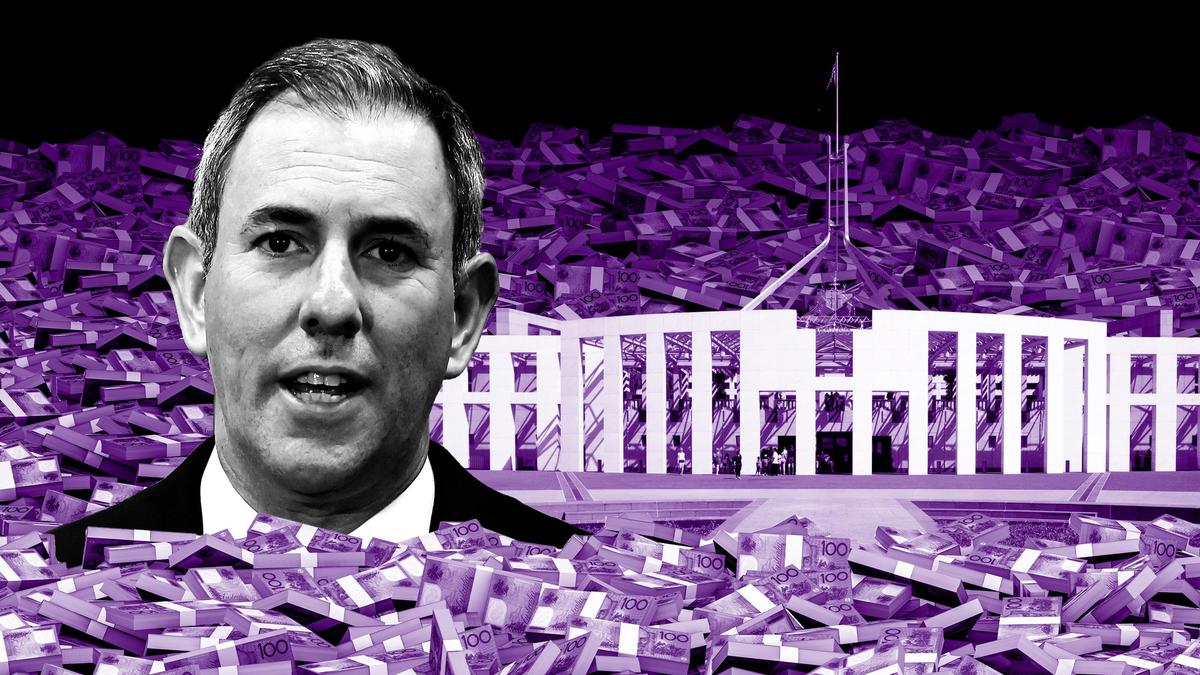
It is a defence which is not available to Treasurer Jim Chalmers as the debate about where the economy is headed ramps up.
Sign up to The Nightly’s newsletters.
Get the first look at the digital newspaper, curated daily stories and breaking headlines delivered to your inbox.
By continuing you agree to our Terms and Privacy Policy.
Part of that debate has been the ramifications of the Albanese Government’s years of profligate spending, which has been a key driver of inflation — and by extension, rising interest rates.
Key to tackling capacity constraints which put a “speed limit” on the economy is to increase productivity.
Productivity in 2025 grew by just one per cent and was flat in the December quarter, which means consumers end up paying more as the higher costs of producing goods and services are passed on.
All this comes into play in light of a major speech given by Dr Chalmers on Thursday.
Dr Chalmers said ominously that the Federal Treasury now predicts it will take until the next decade for productivity growth to reach a paltry 1.2 per cent a year.
He said that front of mind were reforms around savings, productivity and investment, and tax, in a bid to expand the capacity of the economy.
The reference to savings is worth further examination.
Firstly, let’s remember Treasury’s Mid-Year Economic and Fiscal Outlook showed government spending at 26.9 per cent of gross domestic product, the highest level since 1986 outside COVID. Budget deficits are expected for at least the next decade.
But for a long time Dr Chalmers tried to avoid any blame for the pain dished out to home loan borrowers by the Reserve Bank of Australia’s decision to raise interest rates to fight resurgent inflation.
He steadfastly argued that private sector activity was fuelling inflation and not public sector spending, even as economists across the country — and eventually RBA governor Michele Bullock — tied the Government spending to the inflation dragon.
So he was well and truly alerted to the issue. No plausible deniability there.
But finally on Thursday Dr Chalmers flagged that “substantial savings options” were being worked on for the May budget.
The Opposition was quick to pounce, pointing out that the speech was a major concession because if Government spending wasn’t contributing to inflation, then why would a savings package be necessary?
And there is another issue to watch.
As highlighted by The Nightly, Dr Chalmers and other ministers had been claiming “$114 billion in savings” had already been found.
The claim is grossly misleading.
The reality is the $114b includes money that has been shifted between government programs since the Labor Party was elected in 2022.
Politicians might call it “reprioritisations”.
Anybody in charge of opening the family purse strings at the local supermarket would know it means deciding to put one item into the trolley instead of another.
Like if you didn’t spend $5 on sausages but spent it on something else instead.
You have still spent $5. That ain’t a saving