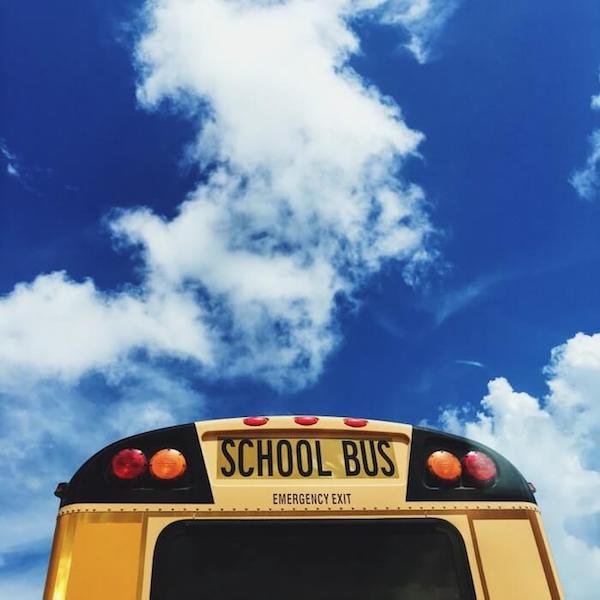
Boston has one of the largest and most complex school transportation systems in the country. Every day, twenty thousand BPS students depend on school buses to get to school in the morning and back home in the evening. Transdev, the company contracted to transport students only, averaged 93% on-time arrivals before school and 80% after school in March, causing frustration for a growing number of parents.
A two-hour emergency City Council hearing was held to address the ongoing delays this year. “Given the fact that we spend $200 million on transportation in our school budget, it is totally unacceptable,” said council president Liz Breadon.
Councilor At-Large and Education Committee Chair Julia Mejia stated that recent data indicate some periods of improvement, but concerns about delays, misroutes, and service reliability have persisted across several administrations.
“Concerns regarding delays, misroutes, and service reliability are not new and have persisted across multiple years and administrations,” said Councilor Julia Mejia. “Recent reporting and data show that while there have been periods of improvement in on-time performance, the system has not met its own reliability targets, and families continue to report significant delays, including late arrivals and missed pickups.
“This past year has been the worst by far in relation to buses being late or canceled,” said Lori Murphy, the mother of two students at Rafael Hernández School in Roxbury. The bus route Lori’s children take has experienced 21 days of cancellations or significant delays this school year. “That is a month of school.”
Although transportation sounds like a logistical issue, it is a learning issue, it’s a family stability issue, and it’s a school climate issue,” said Marie-Francis Riviera. “When buses arrive late, or they don’t arrive at all, the students start their day already interrupted, they miss instructional time, they arrive stressed out, they are forced to catch up even before the day starts.”
Riviera added that when students are held up at school by late buses, it puts strain on teaching staff who are already spread thin.
Kate Wright’s son has an Individualized Education Plan (IEP) requiring door-to-door transport and a bus monitor to prevent bullying. “At this point, I have given up on the ability of Trans-Dev to safely transport him,” she said. “Because his IEP requires this, I believe that it should be taken seriously, but a lot of time he has been on buses for months with no monitors.”
BPS Executive Director of Transportation Dan Rosengard said a growing number of challenges, including driver shortages, absenteeism, and mechanical issues. On-time performance was further strained by 2026’s historic snowstorms, which disrupted traffic across the city.
He said December marked the start of a decline in route coverage. By early March, Rosengard indicated that his office decided enough was enough and would begin assessing liquidated damages for the first time in BPS’s contract with Transdev. According to their contract, the school district can fine Transdev $500 for each missed trip or if a bus is more than one hour late.
“Incremental change is important because it needs to be change that sustains,” said deputy director Jacqueline Hayes. “We understand that the system has never served families as intended, but we have to sustain the improvement we’ve made, and regression is never going to be tolerated.”
Mejia said she plans to hold another hearing before the end of the school year to unpack any outcomes over the next three months.