


The 2009 Booker Prize-winning novel, Wolf Hall, is the first of the Wolf Hall trilogy of novels written by the late Hilary Mantel (1952 – 2022). The second is the 2012 Booker Prize-winning novel, Bring up the Bodies. The third, The Mirror and the Light, was published in 2020.
This is a review of the 2009 novel, Wolf Hall, and the six-part BBC TV series based on that novel and its sequel, Bring up the Bodies, directed by Peter Kosminsky and first broadcast in 2015.
At 532 pages, Wolf Hall is a long novel. It was hard to get into. I found the pacing slow. Among the many minor characters that came and went, it was hard to work out who was who, and where they fitted in.
After some time I discovered the ‘Cast of Characters’ following the table of contents. This was a useful guide. I initially missed it in my haste to start reading.
Patience brought reward. On my third attempt, I finally finished the book. And I counted it a masterpiece.
The novel’s genre is historical fiction. It is a blend of fact and fiction. It is about the life of Thomas Cromwell — a real historical figure.
Thomas Cromwell should be distinguished from his more well known 17th-century relative, Oliver Cromwell, who ruled as Lord Protector of England, Scotland, and Ireland between 1653 and 1658. Oliver Cromwell was a descendant of Thomas Cromwell’s sister, Katherine.
The novel is set in England in the period 1500 – 1535; the beginning of the Protestant reformation. Cromwell interacts with other real historical figures including Cardinal Wolsey, Sir Thomas More, Anne Boleyn, and King Henry VIII.
During this time Henry VIII cut ties with the Pope in Rome and the Catholic Church, making himself head of the church in England.
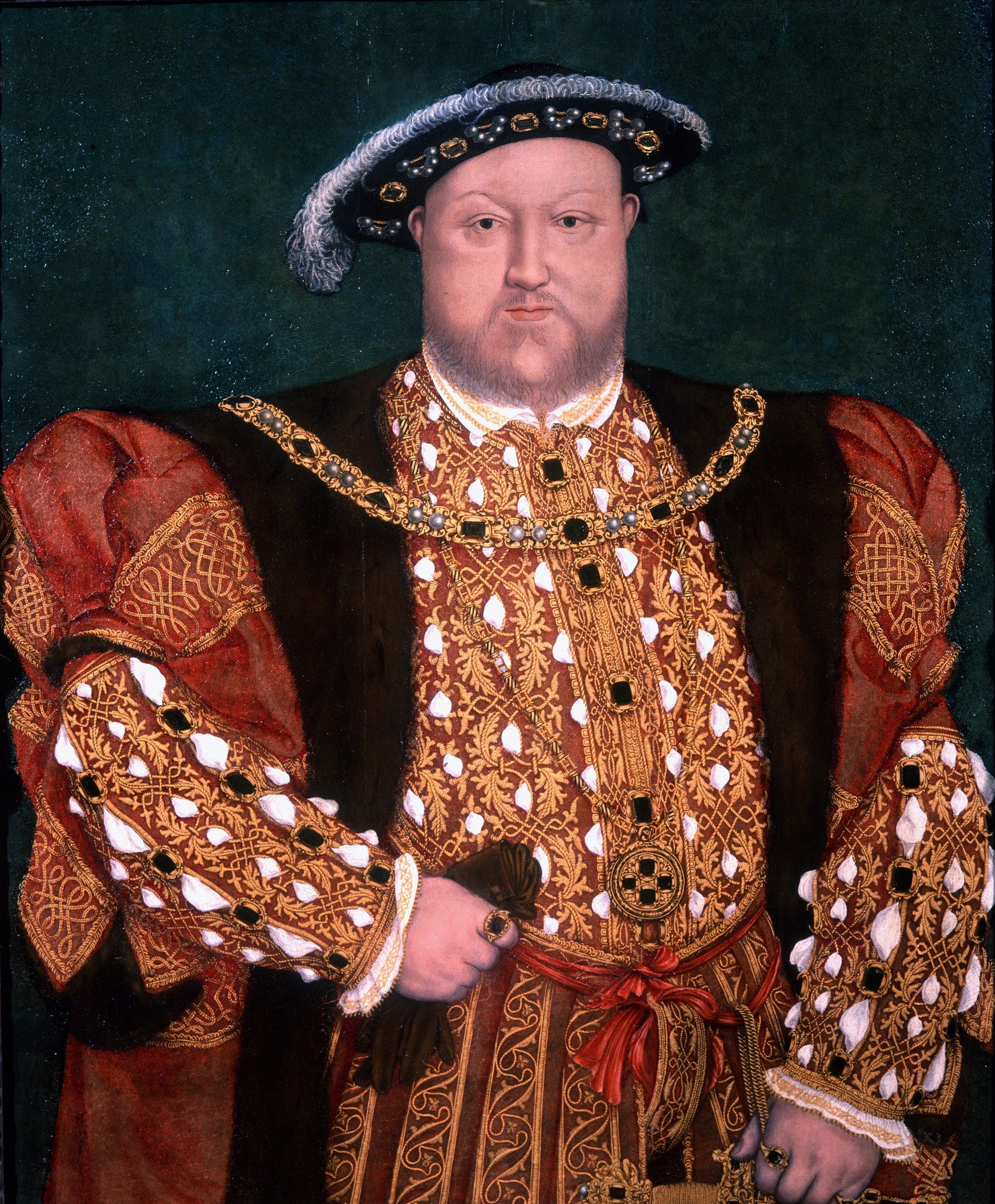
It was a time of religious turmoil. Although parliament existed, the King did not answer to it. Parliament was yet to provide any check on the King’s power, and Henry VIII ruled as an absolute monarch.
Those who voiced religious views unacceptable to the King, were called heretics. And some were executed by public burning. Those who defied the King were called traitors. Their usual punishment was to be publicly hanged, drawn, and quartered. If the King was merciful, however, traitors were publicly beheaded — a quicker and less painful death.
The novel details Cromwell’s rise from son of a blacksmith, to Cardinal Wolsey’s lawyer, to Master Secretary to Henry VIII — in effect, the King’s chief minister.
The novel is narrated in the third person. Cromwell is generally referred to as ‘He’, or to avoid confusion, ‘He, Cromwell.’ The story is however mostly told from Cromwell’s perspective, and it has a strong sense of first person immediacy. As the story unfolds we share Cromwell’s experiences.
At times Mantel brings us inside Cromwell’s consciousness, by telling us not just what he is saying and doing, but also what he is thinking and feeling. As a result we know Cromwell better than the other characters.
Keeping the narrative in the third person allows Mantel freedom to better convey the perspectives of other characters including Cardinal Wolsey, Sir Thomas More, and Henry VIII.
The narrator who knows all can better reveal characters including motives, religious beliefs, and who they love and hate. This narrative voice allows Mantel to describe the intricate rivalries and politics of the Tudor court in beautiful detail.
What does Mantel reveal of the human condition? The events depicted took place about 500 years ago. We know Thomas Cromwell interacted with contemporaries including Cardinal Wolsey, Sir Thomas More, Anne Boleyn, and Henry VIII. For the most part, we don’t know what was said and done.
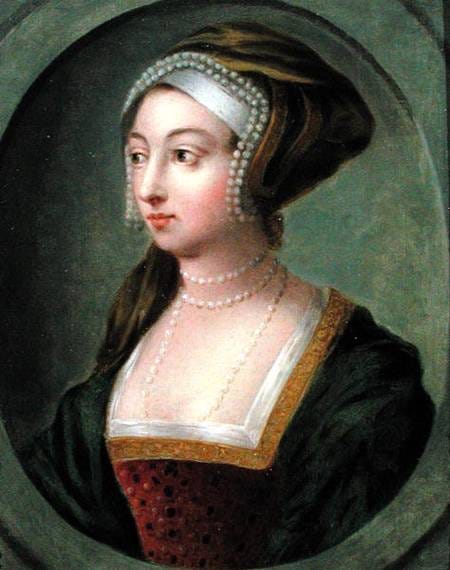
Through this work of fiction, Mantel brings these historical figures to life. She gives them words, thoughts, ambitions, personalities, fears, and dreams. She makes them human.
In doing so, Mantel reveals the immutability of human nature: traits like love, hate, fear, greed, and ambition have not changed over five centuries. Human beings still struggle for power as they did in Cromwell’s time. And our struggles, then and now, often come to nothing. We all die a solitary death. In the words of an old Italian proverb, ‘At the end of the game, the king and the pawn go back in the same box.’
The TV series is first rate. It won a Golden Globe award for best miniseries and BAFTA TV awards for best drama series, and best actor, Mark Rylance, who plays Cromwell. The script, written by Peter Straughan, is excellent. It is faithful to the novel and brings Wolf Hall to life in riveting fashion.
The screenplay is intelligently written. In a Tudor court scene, Anne Boleyn asks Cromwell where he has been. Cromwell lightheartedly replies that he has been in ‘Utopia’ — referring to the fictitious island, Utopia, home to a perfect society, which Sir Thomas More wrote about in 1516 in his book, Utopia.
Given the politics surrounding More at the time, and Cromwell’s dealings with him, Cromwell’s remark is witty.
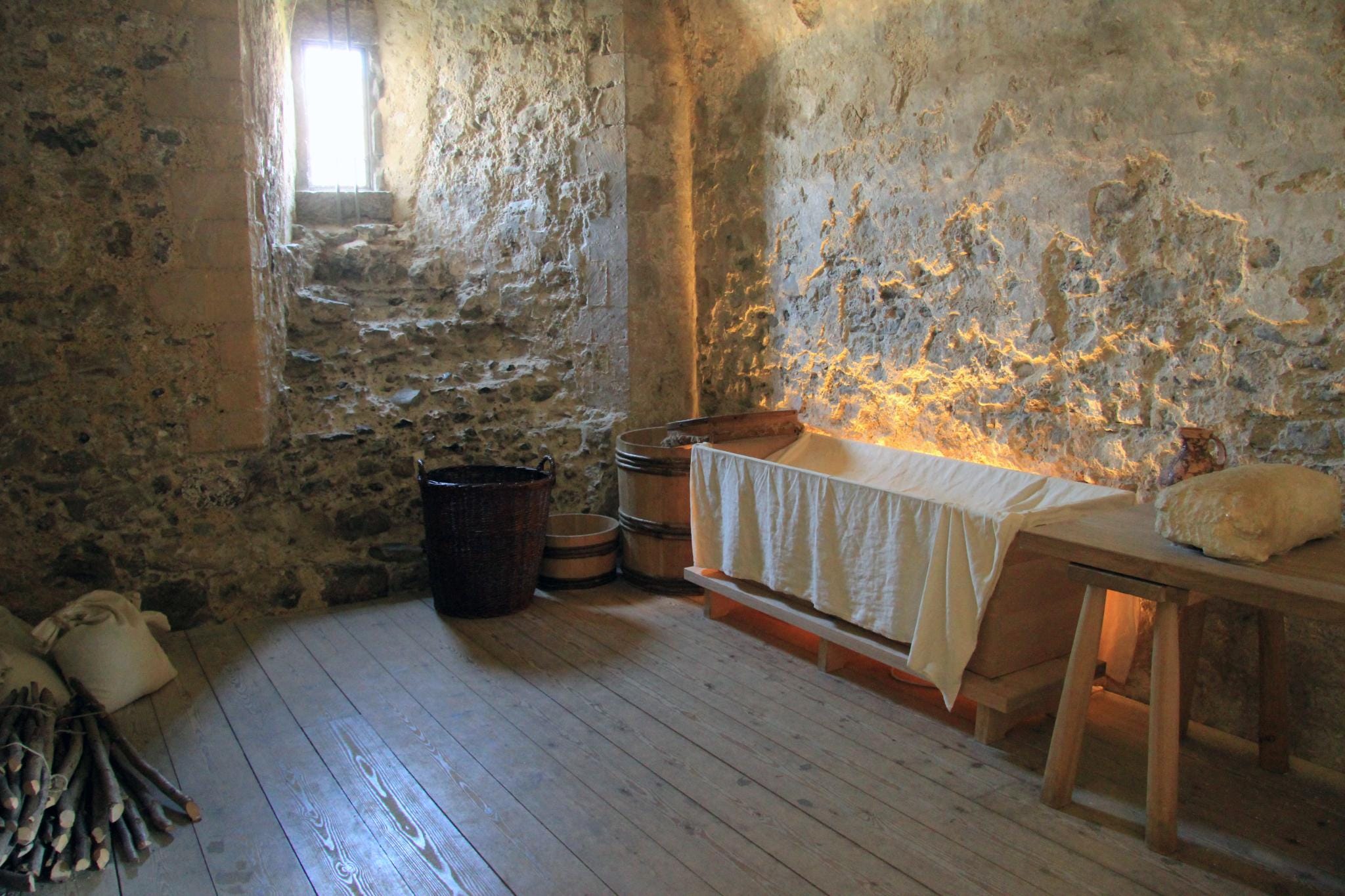
The production looks and feels authentic. Filming took place at British medieval and Tudor buildings including Wells Cathedral and Dover Castle. In Tudor gardens characters walk, talk, and enjoy archery. For authenticity, the evening scenes were shot using candlelight alone. They are therefore often dark.
Peter Kosminsky’s direction provides a low key and intimate viewing experience. At times we hear fragments of music from gently plucked stringed instruments. The score absolutely fits the production.
Scene headings are appropriately used to provide background and context. Occasionally, a character’s voice appropriately speaks to events on screen, for example to read a letter they have written. Voice-over is not otherwise used, and there is no need for it.
Occasional and appropriate use is made of flashbacks and dream sequences to better tell the story. There is no obvious exposition, that is, actors using dialogue to tell the story. For the most part, pacing, silence, visual cues, and the performance of the actors carry the story.
The acting is uniformly excellent. Among others, Mark Rylance as Cromwell, Damian Lewis as Henry VIII, and Claire Foy as Anne Boleyn, put in superb performances. Mark Rylance portrays many facets of Cromwell’s character, his toughness, ambition, and his softer more vulnerable side as husband and father.
For the first time I find myself rating the screen adaptation higher than the book. The novel is to be read slowly and carefully and savoured. The TV series, however, provides a richer experience with no loss of power.
The TV series wins because it makes the story more accessible. Pictures and sound give life to the story and make it easier to work out who is who among the many supporting characters and where they fit in.
Book: 9/10
TV Series: 9.5/10
