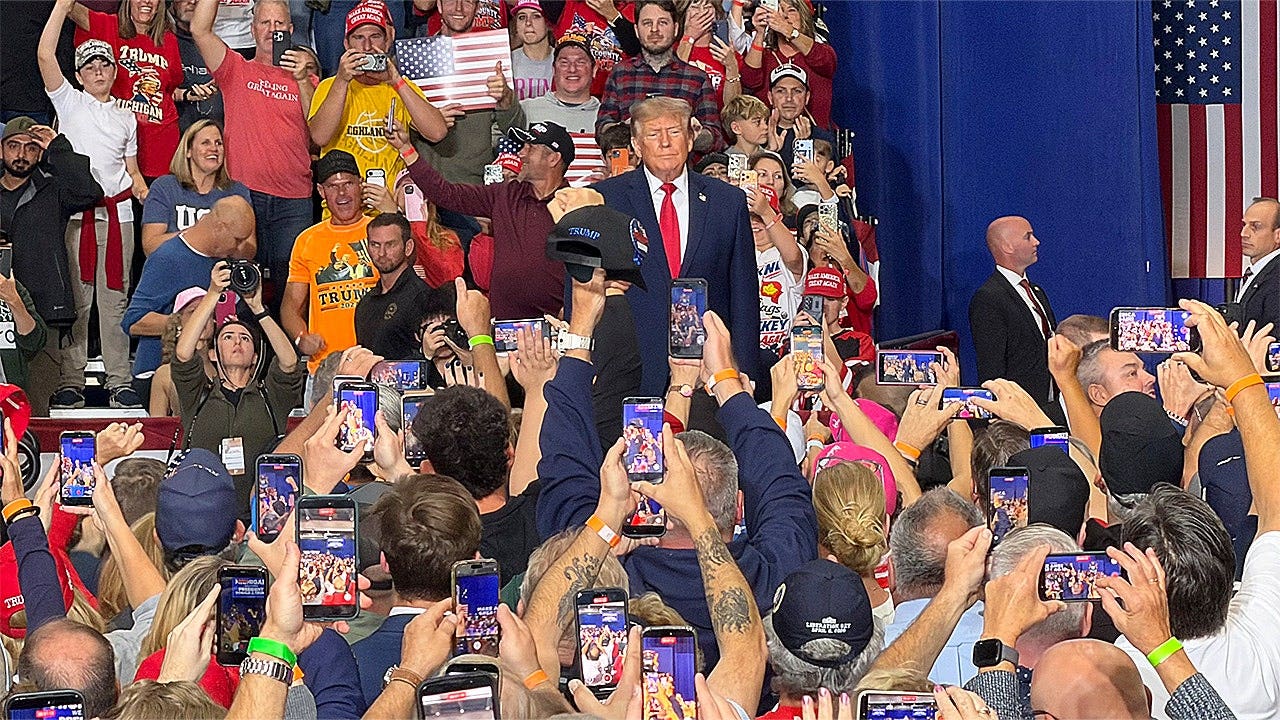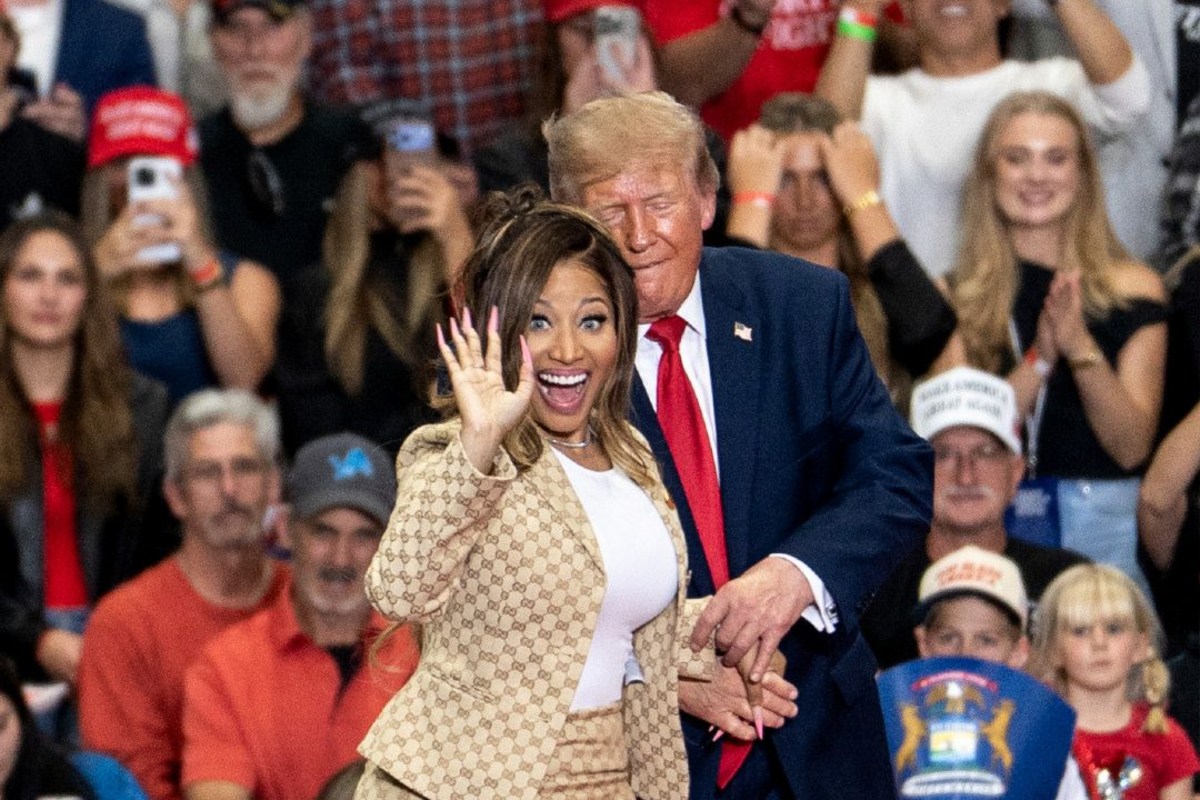

President Donald Trump, signs The GENIUS Act, creating a supposed regulatory framework for cryptocurreny stablecoins, on July 18, 2025.Daniel Torok/The White House/Zuma
Get your news from a source that’s not owned and controlled by oligarchs. Sign up for the free Mother Jones Daily.
A week before the midterms, voters are worried about corruption.
According to a national survey by the Financial Times and Focaldata, a non-partisan research company based in London, about 69 percent of over 1,600 registered voters—and nearly 50 percent of those who voted for Donald Trump in 2024—said they were “very” or “somewhat” concerned about “corruption, self-dealing or conflicts of interest” in the president’s second term. Nearly half of all registered voters reported that corruption has become increasingly concerning during Trump’s second term compared with previous administrations.
“When a family reads a story about presidential crypto profits at the same time as they are deciding whether they should put off their expensive doctor’s appointment, they see that the system is working for someone—just not for them,” Jeremy Ney, a Columbia Business School professor, told FT.
According to Trump’s financial disclosures, Trump made more than $1.4 billion in cryptocurrency business deals, including income from his $TRUMP meme coin and World Liberty Financial, a crypto firm where he and his sons are among the co-founders.
Campaigns have picked up on it, too. According to the Washington Post’s October analysis of $1.6 billion in midterm campaign ads, corruption and ethics reform ads ($306 million among Democrats and $187 million among Republicans) ranked second in total spending behind affordability ($418 million among Democrats and $483 million among Republicans).
The issue may prove to be a deciding factor in many races, as Democrats would need to flip four seats each in both the US House and Senate to build a simple majority.