Scrutinising economic indicators for clues about the future of interest rates has almost become an industry in itself.
Banks, fund managers and professional services companies are always ready to offer their views about the relevance of every little economic tidbit.
And so we have become used to hearing about the relevance of all manner of terms: inflation, cash rates, productivity, gross domestic product, debt, unemployment, full employment, productivity, participation rate.
Sign up to The Nightly’s newsletters.
Get the first look at the digital newspaper, curated daily stories and breaking headlines delivered to your inbox.
By continuing you agree to our Terms and Privacy Policy.
But there is one institution which stands above all others when it comes to the views that matter.
When senior members of the Reserve Bank of Australia offer summaries of the way we are travelling, it is time to take note.
Because even if at times their words are heavily qualified, soaked in numbers or jargon, or deliberately non-specific, they carry weight.
And on Wednesday we got a message that spells potential trouble for households already struggling with their home loan repayments.
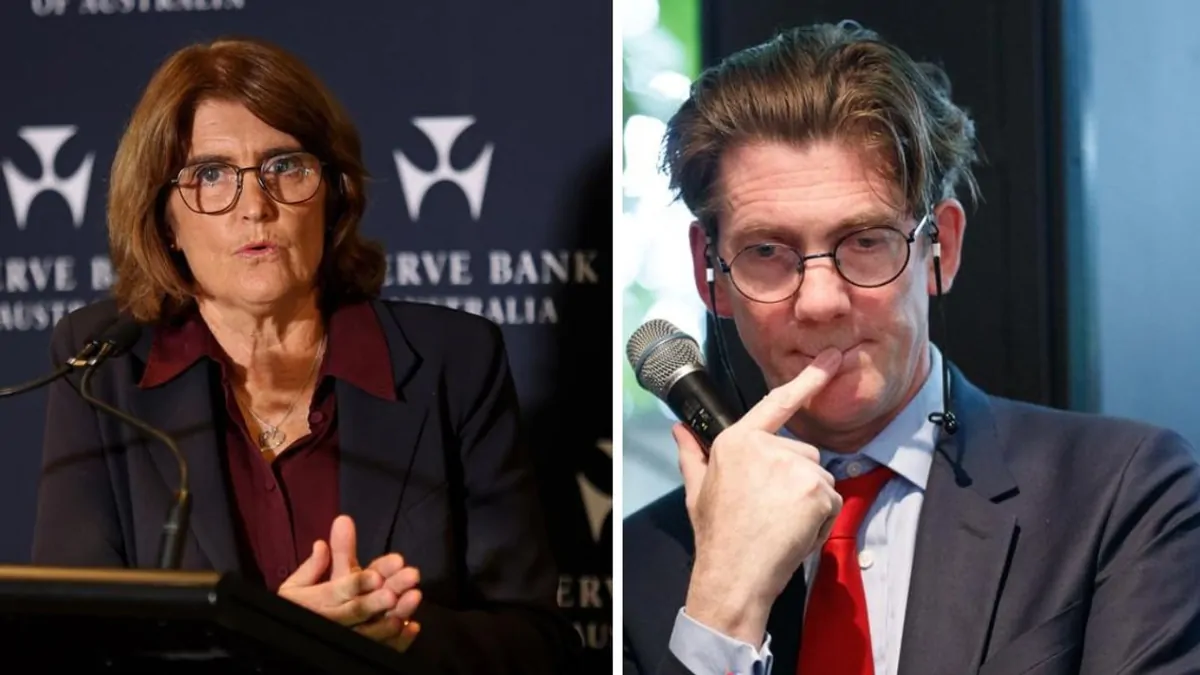
In a nutshell, RBA deputy governor Andrew Hauser strongly hinted a November interest rate rise was looking more likely.
To put it in context, the bank last month voted to raise the cash rate to a 15-year high of 4.6 per cent, marking the fourth hike this year.
Mr Hauser said the outlook for inflation had deteriorated, noting the four rate rises may not be enough.
“Even though we are laying shorter-term pain on top of pain, it’s to prevent a longer and potentially far worse pain down the track if inflation expectations get locked in,” he told a conference in Sydney.
“A few things are clear: the inflation outlook looks materially worse than we projected in the August report.
“On the Middle East, oil prices are even higher.
“And then on domestic capacity pressures, as well, inflation’s been coming in at or a little bit above expectations despite an apparent easing in the labour market.
“We need a period of below-trend growth to bring inflation down,” he said.
No doubt Treasurer Jim Chalmers will seize on oil prices to deflect attention from economists’ repeated warnings about the inflation role played by government spending in a capacity-constrained economy dragged down by weak productivity growth.
The test of whether that message has managed to penetrate the Canberra bubble will be the Mid-Year Economic and Fiscal Outlook.
It will drop amid the strange situation in which we are watching the two central players pull in opposite directions.
On one hand the RBA pulls its rates lever to drive down inflation.
On the other hand, the Government pulls the other way by pumping more money into the economy through various handouts.
Dr Chalmers has already spoken of savings in the mid-year update, expected in December.
Whether they are real savings or simply become absorbed by shifting spending into other areas is another thing.
It is noteworthy that even as the MYEFO looms the Government is still dealing with the long tail of its shambolic Budget, delivered way back in May.
Many of the details soon unravelled and have continued to unravel in a seemingly never-ending list of unintended consequences.
The path ahead looks anything but smooth.