A multimillion-dollar agreement meant to provide weapons and ammunition to Haiti’s National Police is facing serious questions after an investigation by the Miami Herald found that at least $7 million in public funds remains unaccounted for.
The October 17, 2026, report raises concerns about how money intended to help Haiti’s police fight heavily armed gangs was handled, who received the payments, and whether the full amount reached the company responsible for supplying the equipment.
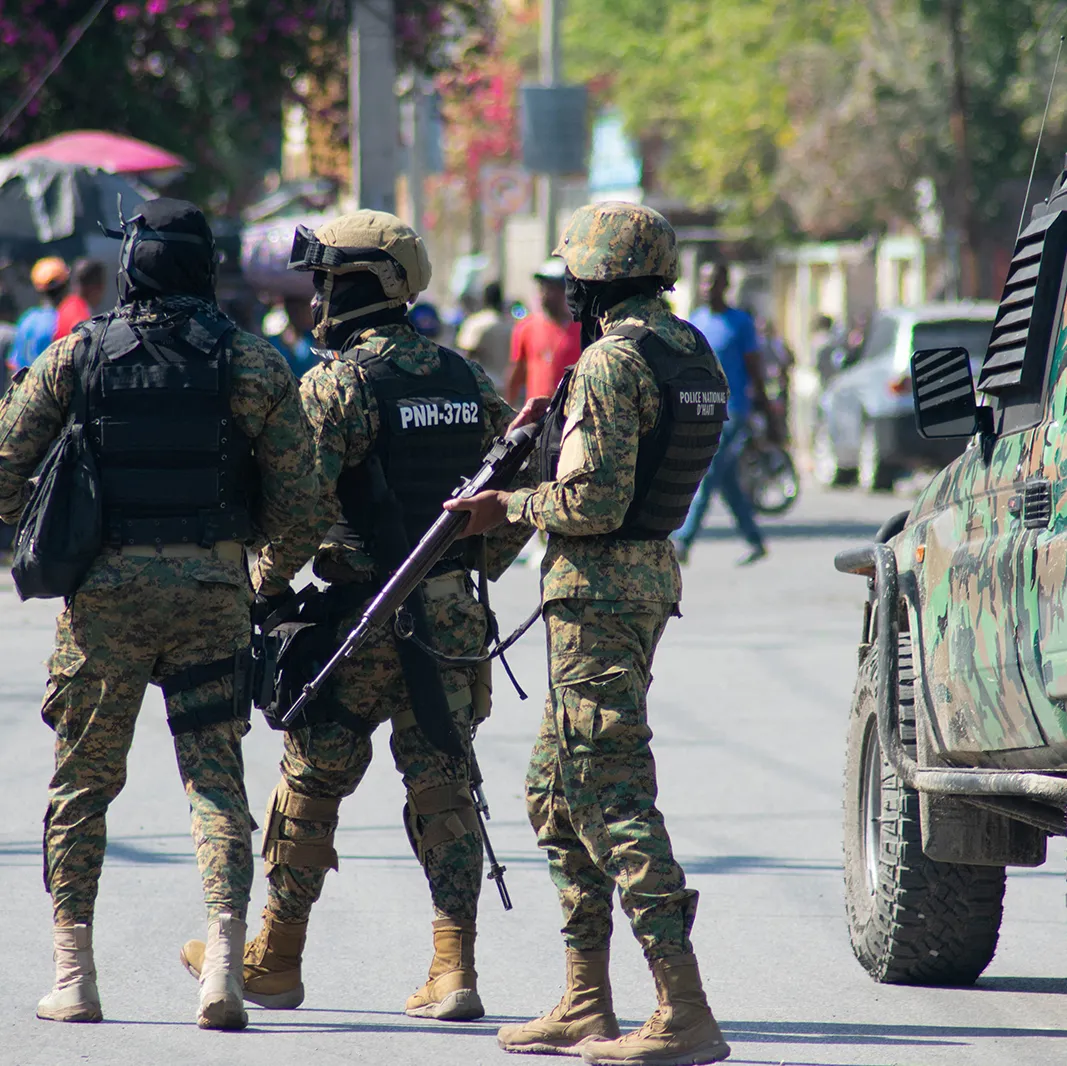
The deal, valued at approximately $24 million, was awarded to Fencebridge Strategic Risk, a U.S.-based security company. The agreement was designed to provide semi-automatic rifles and ammunition to the Haitian National Police (PNH), which continues to face major equipment shortages as gangs control parts of the country.
Some ammunition has reached Haiti. According to the report, a 32-ton shipment arrived at Toussaint Louverture International Airport in Port-au-Prince on September 16.
However, the investigation found that millions of dollars connected to the agreement have not been fully accounted for.
Where Did the Money Go?
According to Haitian government records reviewed by the Miami Herald, more than $15 million was transferred to Ellie Soto, a U.S. citizen based in Texas who served as an intermediary in the transaction.
Documents cited in the investigation show that Soto acknowledged receiving two transfers totaling approximately $15.35 million on January 27.
But Andrew Day, Fencebridge’s chief operating officer, told the newspaper that the company had not received more than $7 million of those funds.
The money was last traced to an escrow account controlled by Soto. The report did not establish where the remaining funds ultimately went.
That distinction matters: money being unaccounted for does not, by itself, prove that it was stolen or that a crime occurred. The investigation raises questions about the handling of the funds, but their final destination remains unclear.
Who Is Behind the Weapons Contract?
Fencebridge Strategic Risk was founded in Tennessee in 2015 by Daniel Nozell and Bryan Seaver.
Nozell has worked in the entertainment industry and has been associated with country music star Dolly Parton, while Seaver, Parton’s nephew, serves as the company’s chief executive officer.
The deal also involved former U.S. Congressman Mark Green, a Tennessee Republican who resigned from Congress in July 2025.
According to the Miami Herald, Green helped Fencebridge navigate the U.S. regulatory approval process by connecting the company with attorneys.
Green told the newspaper that he received approximately $600,000 for his services after billing more than $1 million.
Haitian Justice Minister Patrick Pélissier, whose ministry oversees the National Police, approved two agreements involving Fencebridge.
Fencebridge Denies Wrongdoing
Fencebridge has denied any wrongdoing in connection with the agreement.
The company said its shipments received the required authorizations from the U.S. government. It also denied that the company or its representatives discussed, offered or paid kickbacks or commissions to Haitian officials.
Day told the Miami Herald that Fencebridge’s objective was to help Haitian authorities regain control of areas affected by gang violence.
The company’s statements are important because the investigation has not established that Fencebridge was responsible for the funds that remain unaccounted for.
Why This Matters for Haiti
Haiti’s National Police has spent years confronting heavily armed gangs while struggling with limited equipment, resources and personnel.
Weapons and ammunition are critical to those efforts, especially as police officers continue operations in communities affected by kidnappings, attacks and gang violence.
A contract of this size was supposed to help address those shortages.
Instead, the questions surrounding the payments have added another layer of concern about transparency and the management of public funds.
The investigation does not establish that the entire $24 million contract was lost or that no equipment was delivered. Some ammunition shipments did arrive in Haiti, and the central unresolved issue concerns millions of dollars that Fencebridge says it did not receive.
For a country facing a serious security crisis, the question is not only whether the equipment is reaching the police, but also whether public money is being properly tracked and accounted for.
As of the October 17 report, the final destination of the disputed funds remained unclear.
Source: Miami Herald investigation, October 17, 2026. Statements and financial figures in this article are attributed to the newspaper’s reporting and the documents it reviewed.